
The Simple Goal
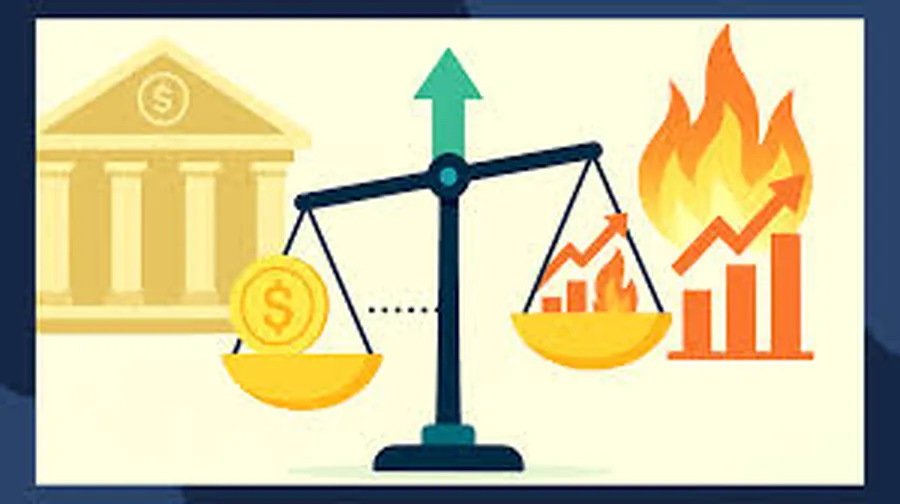
Central banks aim for low and stable inflation – usually around 2%. Too much inflation erodes purchasing power; too little or deflation can stall growth. They use interest rates and other tools to keep the economy balanced.
Quick Answer: How Central Banks Control Inflation and Interest Rates
Central banks mainly adjust short-term interest rates. Raising rates makes loans more expensive, cooling spending and investment to bring high inflation down. Lowering rates encourages borrowing and growth when inflation is too low. They also use open market operations, forward guidance, and reserve requirements to support their goals.
Why Central Banks Focus on Inflation Control
Stable prices allow families and businesses to plan ahead without worrying that money will lose value quickly. High inflation hurts savers and people on fixed incomes the most. Very low inflation or deflation can discourage spending because people wait for prices to fall further, slowing the economy.
The Main Tool: Setting Interest Rates
Most central banks set a target for a key short-term rate (like the federal funds rate in the US or the deposit rate at the ECB). This rate influences all other borrowing costs in the economy. When inflation rises above target, they typically raise this rate. When inflation is too low or the economy needs support, they cut it.
How Higher or Lower Interest Rates Affect Everyday Life
Higher rates make mortgages, car loans, and business borrowing more expensive. People and companies spend and invest less, reducing demand for goods and services and helping to ease price pressures. Lower rates do the opposite: cheaper credit encourages more spending, investment, and hiring, which can push inflation up if the economy is already strong.
Other Tools Central Banks Use
- Open Market Operations: Buying or selling government bonds to influence money supply and short-term rates.
- Forward Guidance: Clearly communicating future plans so markets and people can adjust expectations.
- Reserve Requirements: Rules on how much money banks must hold, affecting how much they can lend.
- Quantitative Easing or Tightening: Large-scale buying or selling of assets when interest rates are already very low or high.
| Policy Action | Effect on Interest Rates | Typical Goal |
|---|---|---|
| Raise policy rate | Higher borrowing costs | Cool inflation |
| Cut policy rate | Lower borrowing costs | Boost growth when inflation is low |
How Policy Decisions Reach the Real Economy
Changes in the central bank’s key rate quickly affect interbank lending, then bank loans and deposits, mortgage rates, and eventually business investment and consumer spending. Expectations also play a big role – if people believe the central bank will keep inflation under control, they act accordingly, making policy more effective.
Challenges and Trade-offs
Raising rates to fight inflation can slow economic growth and increase unemployment in the short term. Cutting rates too aggressively when inflation is low risks creating asset bubbles or future inflation. Central banks must balance price stability with supporting jobs and growth – often called the dual mandate.
Real-World Examples
In recent years, many central banks raised rates sharply when inflation surged after supply chain disruptions and energy price shocks. Once inflation began easing, some started cutting rates gradually to support growth without reigniting price pressures. Communication about future moves has become a powerful tool to shape expectations.
FAQs – How Central Banks Control Inflation and Interest Rates
Do central banks directly set all interest rates?
No. They mainly influence short-term rates. Market forces and commercial banks then determine longer-term rates like mortgages.
Can central banks always control inflation perfectly?
No. External shocks like wars, supply disruptions, or global commodity prices can make the job harder, even with the best tools.
What is inflation targeting?
Many central banks publicly aim for a specific low inflation rate (often 2%) and adjust policy to achieve it over time.
Conclusion
Central banks play a crucial role in keeping inflation stable by adjusting interest rates and using other monetary policy tools. Their decisions influence borrowing costs, spending, investment, and ultimately the prices we pay for everyday goods and services.
Understanding how these institutions work helps citizens, businesses, and policymakers anticipate economic changes and make better financial decisions.
Explore more on related economic topics:
• Impact of inflation on cost of living in developing countries
• How exchange rates affect a country’s economy explained
• Countries with highest unemployment rates in Africa
• How to build good financial habits step by step