
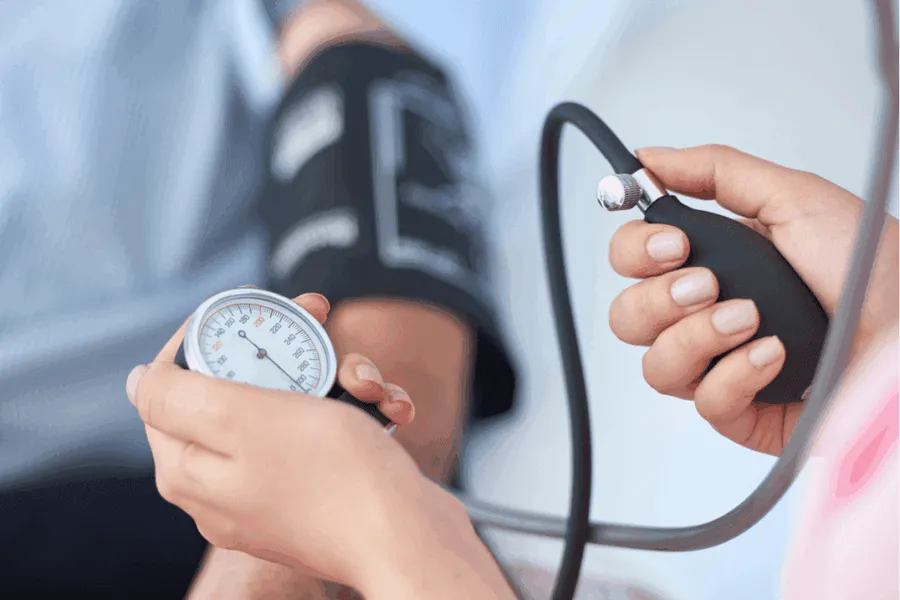
The Hidden Threat of Asymptomatic Hypertension in 2026
According to quantitative global health audits, approximately 1 in 3 adults lives with high blood pressure (hypertension), yet many remain completely unaware of their condition. High blood pressure forces your heart to work overtime to push blood through narrowed arterial walls. Without regular screening parameters, this excess force quietly damages renal filters, visual retinas, and cerebral tissue. Catching early warning signs is about proactive measurement, not waiting for symptoms to arrive.
Quick Checklist: Screening Your Internal Metrics
If you want to track early warning signs of high blood pressure everyone should know, you must rely on a digital monitor rather than waiting for physical pain.
- Buy a validated arm-cuff monitor: Wrist monitors are often inaccurate. Compare this to purchasing standard home fitness visual weights.
- Take readings at the same time daily: Sit quietly for five minutes before pressing start. Contrast this static resting state with active morning stretching flows.
- Audit your lifestyle triggers: High sodium intake, chronic stress, and poor sleep spike visual readings. Link this to natural visceral fat loss habits.
- Log your numbers: Keep a tracking ledger. Compare this data tracking to pulling active recall study parameters.
The Subtle Signs of Elevated Arterial Pressure
While most hypertension is asymptomatic, acute visual spikes or prolonged moderate elevation can manifest in subtle ways.
- Morning Dull Headaches: Occipital headaches felt at the base of the skull upon waking.
- Visual Blurriness or Spots: Excess pressure damages ocular blood vessels. Compare this eye strain to screen fatigue during study sessions.
- Pulsing or Tinnitus in Ears: Hearing rhythmic thumping or visual ringing.
- Unexplained Fatigue: Your heart expends more energy to maintain perfusion.
Reading the Measurement Envelopes
To eliminate visual reading bias, you must understand the numerical parameters of the American Heart Association (AHA) grading scales.
- Normal: Systolic less than 120 mmHg AND Diastolic less than 80 mmHg.
- Elevated: Systolic between 120-129 mmHg AND Diastolic less than 80 mmHg.
- Hypertension Stage 1: Systolic 130-139 mmHg OR Diastolic 80-89 mmHg.
- Hypertension Stage 2: Systolic 140 or higher mmHg OR Diastolic 90 or higher mmHg.
Visual Comparison of Blood Pressure States
Let us audit the reading parameters. Below is a standard table demonstrating how visual readings correlate with medical action thresholds.
| Arterial State | Top Number (Systolic) | Bottom Number (Diastolic) |
|---|---|---|
| Normal Healthy | < 120 mmHg | < 80 mmHg |
| Hypertension Stage 2 | ≥ 140 mmHg | ≥ 90 mmHg |
| Crisis (Emergency) | ≥ 180 mmHg | ≥ 120 mmHg |
Frequently Asked Questions
Why is high blood pressure called the silent killer?
It is called the silent killer because it often has zero visual symptoms or obvious warning signs while quietly causing internal arterial damage, leading to strokes or heart attacks.
What are the physical symptoms of a severe blood pressure spike?
During a hypertensive crisis (180/120 mmHg or higher), symptoms include severe headaches, chest pain, visual changes, shortness of breath, and nosebleeds.
What is considered a normal blood pressure reading?
A standard healthy reading is less than 120/80 mmHg. Consistently reading above 130/80 mmHg is classified as Stage 1 Hypertension.
Conclusion
Vigilance regarding early warning signs of high blood pressure everyone should know is your best defense against cardiovascular events. By utilizing visual reading tables, equalizing lifestyle stressors, and testing your numbers regularly, you take charge of your healthcare parameters in 2026. Put a reminder on your phone today to check your blood pressure at the local pharmacy!