
Quick Answer: Key Early Warning Signs
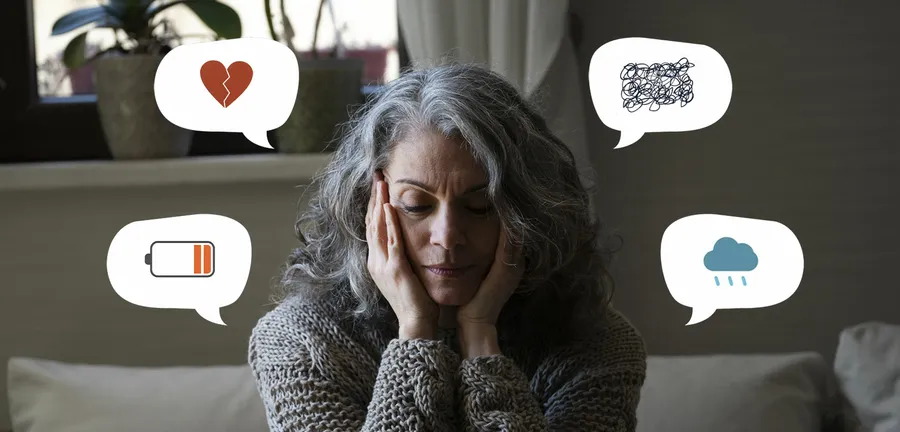
Early signs of poor mental health include persistent sadness or irritability for more than two weeks, major changes in sleep or appetite, social withdrawal, constant fatigue or low energy, difficulty concentrating, loss of interest in activities you used to enjoy, unexplained physical aches, and feelings of worthlessness or excessive guilt. Recognizing these quickly can lead to faster support and better outcomes.
Why Recognizing Early Signs of Poor Mental Health Matters
Mental health issues rarely appear suddenly at full strength. They usually start with subtle changes that, if noticed early, can be addressed with lifestyle adjustments, support from loved ones, or professional help before they become overwhelming. Early action often leads to faster recovery and prevents more serious disruption to work, relationships, and daily life.
Changes in Mood and Emotions
Persistent feelings of sadness, emptiness, or irritability that last more than two weeks are common early indicators. You might feel more anxious than usual, experience sudden mood swings, or feel emotionally numb. These changes can affect how you respond to everyday situations and interactions.
Sleep and Energy Disruptions
Noticeable changes in sleep patterns — sleeping much more or much less than usual — often signal declining mental health. You may struggle to fall asleep, wake up frequently, or feel exhausted even after a full night’s rest. Low energy and motivation for daily tasks frequently accompany these sleep changes.
Social Withdrawal and Loss of Interest
Pulling away from friends, family, or activities you once enjoyed is a classic early sign. You might cancel plans more often, prefer to be alone, or feel like nothing brings you pleasure anymore. This withdrawal can worsen feelings of isolation if left unaddressed.
Difficulty Concentrating and Racing Thoughts
Trouble focusing on work, studies, or simple conversations often appears early. Your mind might feel foggy, or you may experience racing negative thoughts and excessive worry about small things. Decision-making can become harder than usual.
Physical Symptoms That May Signal Mental Health Issues
Unexplained headaches, stomach problems, muscle tension, or changes in appetite and weight can be linked to mental health struggles. The mind and body are closely connected — emotional distress often shows up physically before it becomes obvious in mood alone.
Early Signs of Poor Mental Health Checklist
| Category | Common Signs | Duration to Watch |
|---|---|---|
| Mood | Persistent sadness, irritability, anxiety | More than 2 weeks |
| Sleep & Energy | Insomnia, oversleeping, constant fatigue | Ongoing changes |
| Social | Withdrawal, loss of interest in activities | Increasing isolation |
| Thinking | Difficulty concentrating, racing thoughts | Affecting daily function |
| Physical | Unexplained aches, appetite changes | Without clear cause |
What to Do When You Notice These Signs
- Talk openly with a trusted friend or family member
- Reintroduce small daily habits like short walks or consistent sleep times
- Consider speaking with a counselor or doctor if signs persist
- Reduce unnecessary stress where possible
- Practice self-compassion instead of self-criticism
FAQs – Early Signs of Poor Mental Health
Are these signs the same for everyone?
No. Symptoms vary by person, age, and circumstances, but the patterns above are commonly reported early indicators.
Can physical health problems cause these signs?
Yes. Conditions like thyroid issues or vitamin deficiencies can mimic mental health symptoms, so a medical check-up is often helpful.
Is it normal to have some of these signs occasionally?
Short-term stress can cause temporary symptoms. Concern arises when they persist, intensify, or interfere with daily life.
Conclusion
Recognizing early signs of poor mental health gives you or your loved ones the best chance to take positive steps before difficulties grow larger. Pay attention to changes in mood, sleep, energy, social behavior, and physical sensations. Small actions taken early often prevent bigger problems later.
You are not alone, and reaching out for support is a sign of strength, not weakness. Combine awareness with helpful daily habits from daily habits to improve mental wellbeing naturally for the best results.