
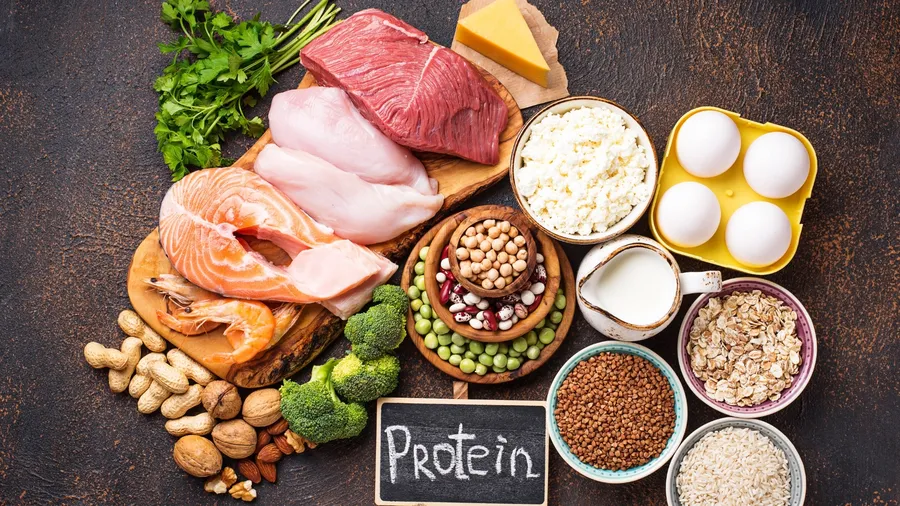
Why Protein Is Essential for Muscle Building
Protein supplies amino acids that repair and build muscle tissue after training. Without enough high-quality protein, your body can't maximize recovery or growth. Research shows that consuming 1.6–2.2g of protein per kg of body weight daily, combined with resistance training, leads to significantly better muscle gains than lower intakes.
Quick Answer: Best High Protein Foods for Muscle Building
Prioritize eggs, chicken breast, salmon, Greek yogurt, cottage cheese, lean beef, tuna, lentils, and whey protein. Aim for 1.6–2.2g protein per kg body weight daily, spread across 4–6 meals, with 20–40g after workouts for optimal muscle protein synthesis.
How Much Protein Do You Actually Need?
For muscle building, most people benefit from 1.6–2.2 grams of protein per kilogram of body weight per day. A 70kg person should target 112–154g daily. Spreading intake evenly (20–40g per meal) is more effective than loading it all at once. Studies consistently show this range supports greater muscle gains when combined with progressive resistance training.
Top High Protein Foods Ranked by Effectiveness
| Food | Protein per 100g | Key Benefit |
|---|---|---|
| Chicken Breast | 31g | Lean, complete protein, low fat |
| Salmon | 25g | Omega-3s for recovery |
| Eggs | 13g (2 large) | Complete amino acids, affordable |
| Greek Yogurt | 10g | Probiotics + slow-digesting casein |
| Lentils (cooked) | 9g | Plant-based, high fiber |
Best Animal-Based High Protein Foods
Chicken breast, turkey, lean beef, salmon, tuna, eggs, and dairy products like Greek yogurt and cottage cheese are complete proteins containing all essential amino acids. They are highly bioavailable, meaning your body absorbs and uses them efficiently for muscle repair and growth. Aim to include at least 2–3 servings daily.
Effective Plant-Based Protein Sources
Lentils, chickpeas, beans, quinoa, tofu, tempeh, and nuts/seeds are excellent options. While some are incomplete, combining them (e.g., rice + beans) creates a complete profile. Plant proteins also provide fiber and antioxidants that support overall health and recovery.
Optimal Protein Timing for Muscle Growth
Spread protein intake evenly across the day rather than consuming it all in one or two meals. Consuming 20–40g within 1–2 hours after training is particularly effective for stimulating muscle protein synthesis. Including protein with every meal helps maintain a positive protein balance throughout the day.
Practical High Protein Meal Ideas
- Breakfast: Scrambled eggs with spinach and Greek yogurt on the side
- Lunch: Grilled chicken breast with quinoa and broccoli
- Post-workout: Salmon with sweet potato and mixed greens
- Dinner: Lentil stew with vegetables and a side of cottage cheese
- Snack: Handful of almonds or a protein-rich smoothie
Additional Tips to Maximize Muscle Building
Combine high protein intake with progressive resistance training at least 3–4 times per week. Stay consistent with sleep (7–9 hours) and manage stress, as both influence recovery and hormone levels. Track progress with measurements or photos rather than scale weight alone.
If you're just starting, pair this with strength training for beginners at home.
FAQs – Best High Protein Foods for Muscle Building
Can I build muscle on a vegetarian diet?
Yes. Focus on eggs, dairy, legumes, quinoa, and soy products while ensuring total daily protein reaches the target range.
Is whey protein necessary?
Not necessary, but convenient for hitting protein targets, especially post-workout. Whole foods should form the foundation.
How soon will I see results?
Noticeable strength gains in 4–6 weeks with consistent training and nutrition. Visible muscle growth takes longer (8–12 weeks+).
Are there risks to eating too much protein?
For healthy individuals, excessive protein is generally safe, but balance with vegetables and adequate hydration is recommended.
Should I eat protein before or after training?
Both. A meal with protein 1–2 hours before and within 1–2 hours after training supports performance and recovery.
Conclusion
Building muscle effectively requires sufficient high-quality protein from a variety of sources, combined with smart timing and consistent training. Focus on whole foods like eggs, chicken, fish, Greek yogurt, and legumes while spreading intake throughout the day. With patience and consistency, these strategies will help you achieve noticeable gains in strength and muscle size.
For complete workout support, see our strength training for beginners at home.
Data Sources & References
Recommendations based on International Society of Sports Nutrition position stands on protein intake for athletes, meta-analyses on muscle protein synthesis, and long-term studies comparing different protein sources for lean mass gains. Practical amounts and meal ideas reflect real-world application for sustainable muscle building.
Explore more in our nutrition section.