
Balanced Eating Made Simple for Beginners
A balanced diet isn't about perfection or eliminating foods you love. It's about giving your body a mix of nutrients from different food groups in reasonable amounts so you feel energized, satisfied, and healthy.
Quick Answer: How to Create a Balanced Diet Plan
Fill half your plate with vegetables and fruits, one-quarter with whole grains or starchy foods, and one-quarter with protein. Add a source of healthy fat and dairy or alternatives. Eat regularly, stay hydrated, and focus on whole foods most of the time.
What Makes a Diet Truly Balanced?
A balanced diet provides the right mix of carbohydrates, proteins, fats, vitamins, minerals, and fiber to meet your body's needs. It supports steady energy, healthy weight, strong immunity, and good mood. The key is variety and moderation rather than strict rules.
Many beginners overcomplicate it. Start with the plate method and gradually improve quality and consistency. This approach is sustainable and effective for long-term health.
The Main Food Groups You Need Daily
Vegetables and fruits provide vitamins, minerals, fiber, and antioxidants. Whole grains give sustained energy and B vitamins. Lean proteins support muscle repair and satiety. Healthy fats are essential for brain health and hormone production. Dairy or fortified alternatives supply calcium and vitamin D.
Aim for color and variety – different foods bring different benefits. If you're also focusing on fitness, combine this with creating a personalized fitness plan.
The Easy Plate Method for Beginners
Visualize your plate: half vegetables or fruits, one-quarter protein (chicken, fish, beans, eggs, etc.), and one-quarter whole grains or starchy vegetables. Add a small amount of healthy fat (avocado, nuts, olive oil) and a serving of dairy or alternative. This simple visual guide helps you build balanced meals without counting calories.
Step-by-Step Guide to Create Your Balanced Diet Plan
1. Assess your current eating habits and goals (more energy, better focus, weight management). 2. Decide on daily calorie needs roughly (or use hunger/fullness cues). 3. Plan meals using the plate method. 4. Include snacks that combine protein and fiber. 5. Prepare a weekly shopping list focused on whole foods. 6. Adjust based on how you feel after a week.
Track loosely at first – many beginners see improvements just by adding more vegetables and eating more regularly.
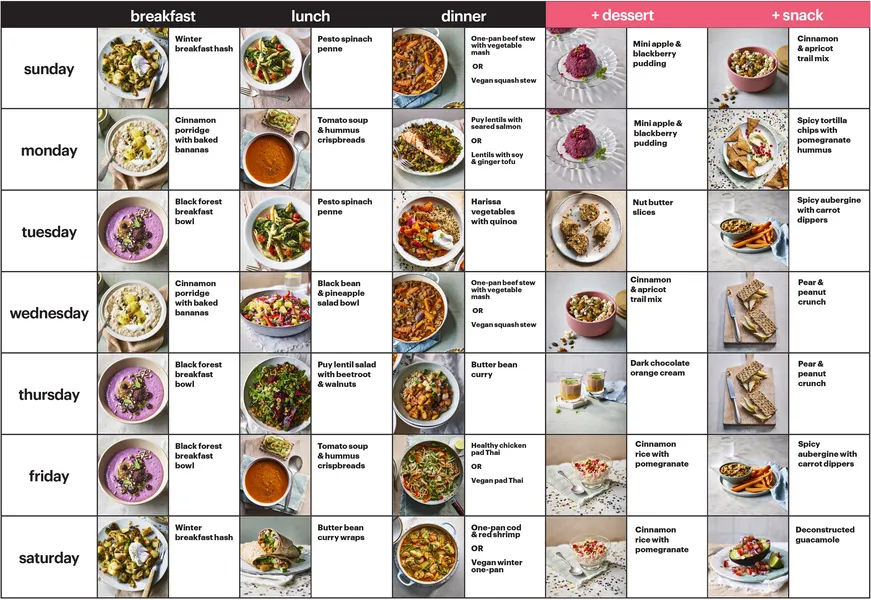
Sample One-Day Balanced Meal Plan for Beginners
| Meal | Example |
|---|---|
| Breakfast | Oatmeal with berries, walnuts, and Greek yogurt |
| Mid-morning Snack | Apple with a handful of almonds |
| Lunch | Grilled chicken or beans, brown rice, large mixed salad with olive oil |
| Afternoon Snack | Carrot sticks with hummus or Greek yogurt |
| Dinner | Baked salmon or lentils, sweet potato, steamed broccoli and spinach |
Drink plenty of water throughout the day and adjust portions based on your activity level and hunger.
Simple Portion Control Without Counting
Use your hand as a guide: palm for protein, fist for vegetables, cupped hand for carbs, thumb for fats. This method is portable and helps most beginners eat appropriate amounts without stress.
Common Beginner Mistakes and How to Avoid Them
- Relying only on willpower instead of planning ahead
- Skipping meals and then overeating later
- Being too restrictive, which leads to burnout
- Ignoring hunger and fullness signals
Focus on adding healthy foods rather than only removing others. Progress over perfection works best.
Tips for Making Your Plan Stick Long-Term
Prepare some meals or ingredients in advance. Keep healthy snacks visible. Experiment with flavors and recipes so eating well feels enjoyable. Review and tweak your plan every couple of weeks based on what feels good.
If budget is a concern, check how to eat healthy on a low budget.
FAQs – Creating a Balanced Diet Plan for Beginners
Do I need to count calories?
Not necessarily for beginners. Focus on food quality and the plate method first. Calorie awareness can come later if needed.
How do I handle cravings?
Allow occasional treats in moderation. Cravings often decrease when you eat balanced meals regularly and stay hydrated.
Can I follow this plan if I'm vegetarian?
Absolutely. Use eggs, dairy, legumes, nuts, seeds, and plant-based proteins as your main sources.
How quickly will I see changes?
Many beginners notice better energy and digestion within 1-2 weeks. Sustainable weight or mood improvements usually appear after 4-6 weeks.
What if I don't have much time to cook?
Choose simple meals like salads, stir-fries, overnight oats, or batch-cooked proteins and vegetables.
Conclusion
Creating a balanced diet plan doesn't have to be complicated. Start with the plate method, include a variety of whole foods, eat regularly, and listen to your body. Small, consistent improvements lead to better energy, focus, and long-term health.
Be patient with yourself and celebrate progress. For more nutrition ideas, explore healthy foods to eat daily or maintaining a healthy eating lifestyle long term.
Data Sources & References
Guidelines based on recommendations from reputable sources including the USDA MyPlate system, WHO healthy diet principles, and nutrition research on balanced eating patterns. The plate method and portion guidance are practical tools supported by multiple studies showing improved nutrient intake and health outcomes.
For additional nutrition support, visit our nutrition hub.