
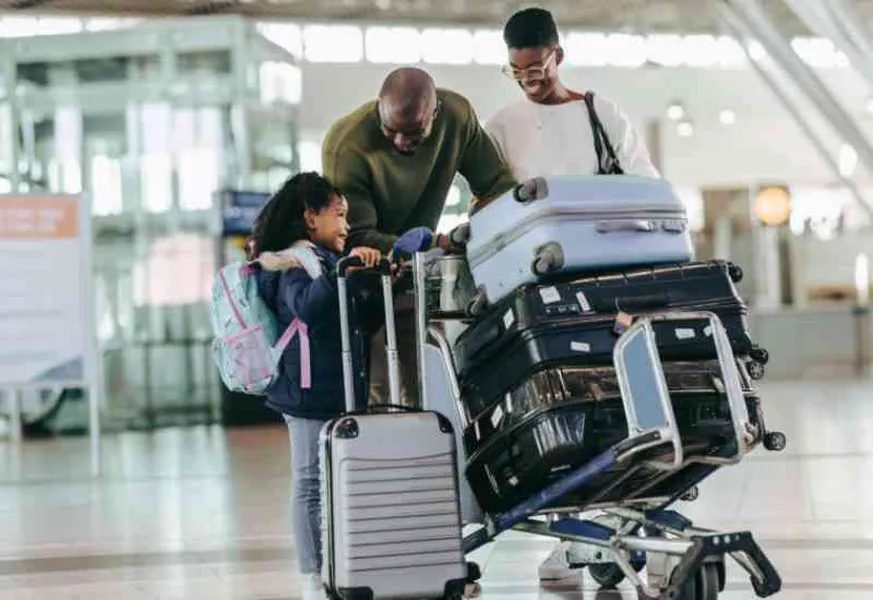
Quick Start for First-Time Travelers
Over 70% of first-time international travelers report stress from overpacking or missing documents. Start with a valid passport (6+ months validity), get travel insurance, notify your bank, and pack light. Arrive 3 hours early at the airport.
Quick Answer: Top Travel Tips for First Time International Travelers
Your first international trip is exciting but requires smart planning. Focus on documents (passport + visa), pack carry-on essentials, buy comprehensive travel insurance (4-8% of trip cost), download offline maps, and learn basic local phrases. Most beginners regret overpacking and underestimating jet lag or airport time.
Essential Documents & Pre-Trip Preparation
Start preparation 2-3 months ahead. Check your passport validity—many countries require at least 6 months remaining after your planned return. Apply for visas or ETAs early. Enroll in your government’s travel alert program for safety updates. Make digital and physical copies of everything.
- Valid passport
- Visa / ETA if required
- Travel insurance policy
- Proof of onward travel & accommodation
- Vaccination records (check destination requirements)
Link this with your full international travel checklist to stay organized.
Smart Packing List for First International Trips
Rule of thumb: pack half the clothes and twice the money. Use the 3-1-1 liquids rule for carry-on (100ml max per container in a clear 1L bag). Roll clothes or use packing cubes to save space.
| Category | Essentials |
|---|---|
| Documents | Passport, copies, insurance, cards |
| Clothing (7-10 days) | Mix-and-match outfits, layers, comfortable walking shoes |
| Toiletries | Travel-size in 100ml bottles, medications in original packaging |
| Tech & Misc | Power bank, universal adapter, reusable water bottle |
Always keep a full change of clothes and medications in your carry-on. See our budget travel hacks for more space-saving ideas.
Airport, Flights & Jet Lag Management
Arrive 3 hours early for international flights. Download your airline app for boarding passes. Stay hydrated (aim for 250ml water per hour in flight) and walk every 1-2 hours to prevent blood clots. For jet lag on long-haul flights (5+ hours time difference), adjust your watch to destination time immediately and get sunlight upon arrival.
- Choose aisle seats for movement on long flights
- Bring noise-cancelling headphones and neck pillow
- Avoid heavy meals and alcohol in-flight
Money Matters, Apps & Staying Connected
Notify your bank of travel dates to avoid card blocks. Use a mix of credit cards with no foreign transaction fees, local currency cash (withdraw from ATMs on arrival), and mobile payment apps. Get a local SIM or eSIM for data—prices start as low as $10 for 10GB in many countries.
Download offline maps and translation apps before departure. For more budgeting help, check saving money strategies that apply perfectly to travel.
Safety, Culture & Local Etiquette
Research local customs—dress modestly in conservative areas and learn “please” and “thank you” in the local language. Use ride-sharing apps with tracking or official taxis. Keep valuables secure and avoid flashing cash. Share your itinerary with family.
Women traveling solo should read dedicated safety guides and stick to well-lit areas at night. Tie this with our solo travel safety tips.
Health, Jet Lag & Staying Well Abroad
Combat jet lag with light exercise, hydration, and short naps. Pack a basic first-aid kit and any prescription medications with a doctor’s note. Eat local food gradually to avoid stomach issues. Drink bottled water in areas where tap water is unsafe.
10 Common Mistakes First-Time International Travelers Make
- Overpacking heavy suitcases
- Not checking passport validity or visa rules
- Skipping travel insurance
- Arriving late at the airport
- Exchanging money at the airport (poor rates)
- Ignoring cultural differences
- Overambitious daily itineraries
- Not backing up photos/documents
- Using expensive roaming data
- Forgetting adapters or power banks
Learning from these prevents 80% of common travel stress.
Building Your First Itinerary & Choosing Destinations
Start with easier destinations that match your interests and budget. Popular first trips include nearby countries with good infrastructure. Mix iconic sights with local neighborhoods. Use public transport and walk to save money and experience authentic life.
Explore more in our step-by-step trip planning guide and cheapest countries from Africa.
FAQs – Travel Tips for First Time International Travelers
What is the best age or time for a first international trip?
Any age works if you plan well. Off-season travel (shoulder months) offers lower prices and fewer crowds.
How much money should I budget?
Budget $100-200 per day in Europe/Asia depending on style. Include buffer for emergencies.
Should I book flights or accommodation first?
Book flights first for dates, then flexible accommodation for the first 1-2 nights.
Conclusion – Your First International Adventure Awaits
With proper preparation, your first international trip will be life-changing. Focus on flexibility, curiosity, and enjoying the journey. Thousands of beginners travel successfully every day—use these tips and you’ll create memories that last a lifetime.
For more inspiration, visit our full travel section or lifestyle guides.
Data Sources & Further Reading
Tips compiled from official sources like Travel.State.gov, real traveler experiences, and 2026 airline best practices. Always verify latest requirements for your specific destination.