
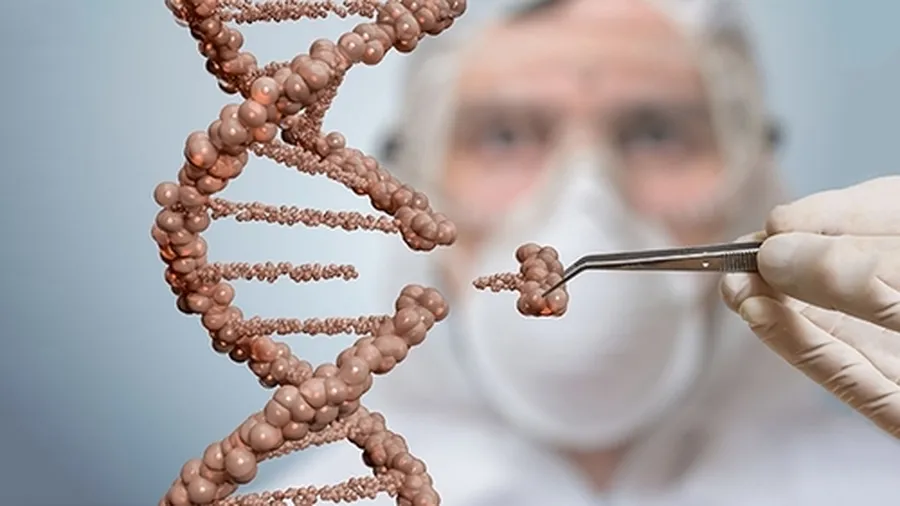
Gene Editing in Plain Terms
Think of CRISPR as a pair of very precise molecular scissors guided by a tiny instruction manual made of RNA. It searches through DNA, finds the exact spot it’s looking for, makes a cut, and lets the cell fix or replace that section.
Quick Answer: How CRISPR Gene Editing Works
CRISPR uses a guide RNA to locate a specific DNA sequence and the Cas9 protein to cut it. The cell’s repair system then either deletes the section, inserts new DNA, or makes a precise change. Newer tools like base editing and prime editing make edits even more accurate with fewer side effects.
CRISPR Basics
CRISPR originally comes from bacteria, where it acts as a simple immune system that remembers and fights off viruses. Scientists adapted this natural tool into one of the most powerful gene-editing technologies we have today.
Step-by-Step: How Gene Editing Actually Works
- Guide RNA – A short piece of RNA that matches the target DNA sequence like a key fitting a lock.
- Cas9 Protein – The “scissors” that travels with the guide and cuts the DNA at the exact spot.
- Cell Repair – The cell notices the cut and tries to repair it. Scientists can supply new DNA to guide the repair in a desired way.
Recent Improvements in Gene Editing
Early CRISPR sometimes cut the wrong places. Newer versions (base editing and prime editing) allow single-letter DNA changes without fully breaking both strands, making the process safer and more precise.
Real-World Uses Today
- Treating sickle cell disease and beta-thalassemia by editing blood stem cells.
- Early clinical trials for certain cancers and inherited eye disorders.
- Research on improving crops to resist disease and need less water.
FAQs – Gene Editing and CRISPR
What is CRISPR and how does it work?
It’s a tool that uses guide RNA to find a DNA sequence and Cas9 to cut it, allowing precise changes.
How accurate is modern CRISPR?
Newer methods have greatly reduced off-target effects and allow single-letter edits without full DNA breaks.
What diseases are being treated with CRISPR?
Sickle cell disease, beta-thalassemia, some blood cancers, and certain inherited eye conditions are in advanced trials or approved use.
Can CRISPR edit any gene?
Most genes can be targeted, but safe delivery to the right cells remains a key challenge researchers are solving.
Is gene editing safe?
Approved therapies show good safety so far, but all new treatments undergo strict testing and long-term monitoring.
Conclusion – A Powerful New Tool
CRISPR and modern gene editing give scientists an incredibly precise way to change DNA. From treating serious diseases to improving crops, this technology is already making a difference and continues to get better every year. Understanding how it works helps us follow the exciting developments ahead.
For more science topics, visit our science section.
Data Sources & References
Based on peer-reviewed explanations of CRISPR-Cas9, base editing, prime editing, and clinical trial updates from major research institutions as of 2026.
For more helpful guides, visit our main categories page.