
Quick Recommendation for 2026
Start with Vue.js or Svelte if you want the smoothest experience. Move to React + Next.js when you're ready for broader job opportunities. Most beginners see real progress in just a few weeks with consistent practice.
Quick Answer: Easiest Web Development Frameworks for Beginners in 2026
Vue.js and Svelte top the list for beginners thanks to their straightforward syntax and fast feedback loops. React remains extremely popular for job prospects, while Next.js adds powerful features on top of React. On the backend, Django and Flask offer clear paths for Python lovers. You can build your first interactive site in weeks rather than months.
Why the Right Framework Makes a Big Difference for Beginners
Jumping into web development can feel overwhelming with so many options. The framework you pick first affects how quickly you see results and how much you enjoy the process. In 2026, frameworks with gentle learning curves help new developers stay motivated by letting them build something useful fast instead of fighting complex concepts early on.
Developer surveys and community feedback show that frameworks with clear documentation and minimal boilerplate lead to higher completion rates for personal projects. If you're just starting, focus on tools that feel close to plain HTML, CSS, and JavaScript.
Looking to sharpen other tech skills alongside? Check out our collection of free online courses with certificates.
Easiest Frontend Frameworks for Beginners in 2026
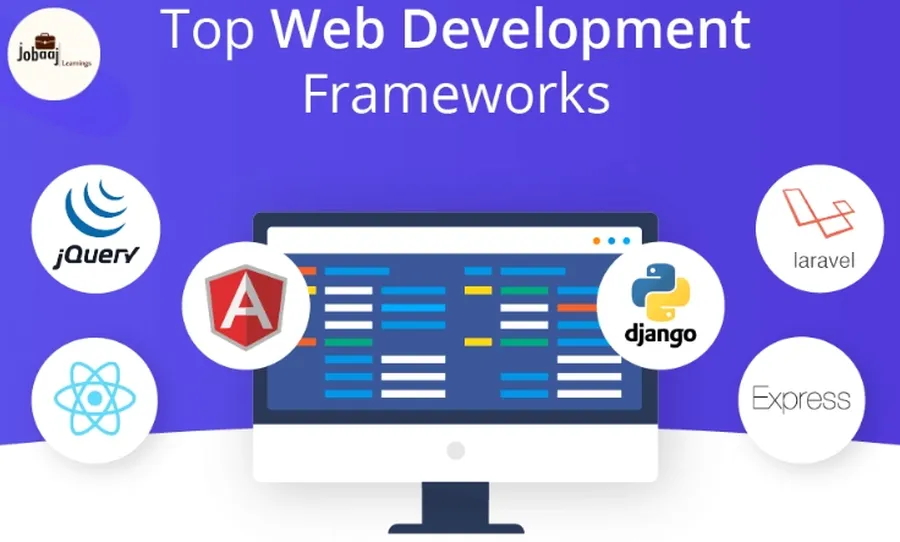
Frontend frameworks handle the visible part of websites — buttons, forms, animations and dynamic updates. Here are the most approachable ones right now:
- Vue.js — Often called the friendliest option. Its template syntax looks like regular HTML with added power. You can start small and grow into full apps. Many beginners feel comfortable within days.
- Svelte — Writes less code by compiling away complexity at build time. No virtual DOM headaches. Great for clean, fast apps and feels refreshing after traditional frameworks.
- React — The most widely used. Huge ecosystem and job demand. The learning curve is a bit steeper due to JSX and hooks, but excellent tutorials make it manageable.
- Next.js (built on React) — Perfect once you know React basics. Handles routing, images, and server features automatically. Popular for modern websites and apps.
- Astro — Excellent for content-heavy sites. Ships almost zero JavaScript by default for blazing fast performance.
Vue and Svelte frequently win praise for letting beginners ship projects faster, while React opens more professional doors long-term.
Frontend Framework Comparison for Beginners
| Framework | Learning Curve | Best For |
|---|---|---|
| Vue.js | Gentle (2-4 weeks to basic projects) | Quick starts, flexible apps |
| Svelte / SvelteKit | Easy (minimal boilerplate) | Performance-focused sites |
| React | Moderate (4-8 weeks) | Job market, large apps |
| Next.js | Moderate (after React) | Full-featured websites |
| Astro | Easy for content sites | Blogs, marketing pages |
Beginner-Friendly Backend Frameworks
Once your frontend feels comfortable, consider adding a backend to handle data, logins and server logic. These options keep things straightforward:
- Django (Python) — Comes with many built-in features like admin panels and authentication. Excellent documentation.
- Flask (Python) — Lightweight and flexible. Start simple and add only what you need.
- Express.js (Node.js) — Natural choice if you already like JavaScript from the frontend.
- Laravel (PHP) — Elegant syntax and great tools for common web tasks.
Python-based options like Django and Flask appeal to many newcomers because the language itself reads almost like English.
If you're exploring career paths in tech, our guide on high-income skills you can learn from home might interest you.
How to Get Started as a Beginner in 2026
Follow this simple path:
- Master HTML, CSS, and JavaScript basics first (free resources abound)
- Pick one framework — Vue.js or Svelte recommended for fastest wins
- Build small projects: todo list, personal portfolio, blog
- Learn version control with Git early
- Deploy your projects for free on platforms like Vercel or Netlify
- Gradually explore more advanced topics like state management and APIs
Practice consistently and don't worry about perfection. The goal is to ship something and learn from it.
FAQs – Easiest Web Development Frameworks for Beginners
What is the easiest web development framework for complete beginners?
Vue.js and Svelte consistently rank highest for their approachable syntax and quick results. Many developers report feeling productive much faster than with heavier options.
Is React still worth learning in 2026 for beginners?
Absolutely. While it has a moderate learning curve, its massive ecosystem and job demand make it a smart long-term investment. Start with Vue if you want quicker early success.
Should I learn frontend or full-stack first?
Focus on frontend fundamentals first. Once comfortable building interfaces, adding a simple backend becomes much easier and more motivating.
How important is the framework choice for getting a job?
React and Next.js appear most frequently in job postings, but understanding core concepts transfers well across frameworks. Employers value problem-solving and project experience more than any single tool.
Can I build real projects with free tools only?
Yes. Modern frameworks, VS Code, Git, and free hosting platforms like Vercel let you create professional-looking apps without spending money.
Conclusion: Pick One and Start Building
In 2026, web development has never been more accessible for beginners. Vue.js and Svelte offer the gentlest on-ramps, while React and Next.js provide powerful foundations for future growth. The most important step is simply choosing one and creating your first project.
Don't get stuck in tutorial hell — build something small, deploy it, and share it. Every experienced developer started exactly where you are now. The tools are ready; the only thing left is consistent practice.
For more technology learning paths, explore our AI section or gadgets and tools.
Data Sources & References
Insights drawn from developer surveys, community discussions (Reddit, Stack Overflow), official framework documentation, and 2025-2026 industry reports on learning curves and adoption trends. Always check the latest official docs for each framework as features evolve quickly.
For more helpful software and technology guides, visit our software section .