
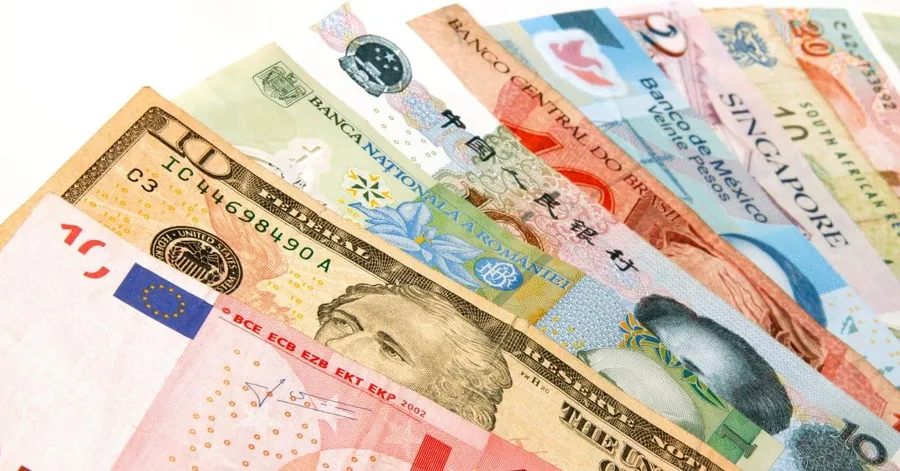
Top Strongest Currencies Today
The Kuwaiti Dinar remains the strongest currency in the world, followed by the Bahraini Dinar and Omani Rial. These Gulf currencies benefit from massive oil revenues, very low inflation, and careful monetary management.
Quick Answer: Countries with Strongest Currencies
1. Kuwaiti Dinar (KWD) – ~3.25 USD
2. Bahraini Dinar (BHD) – ~2.65 USD
3. Omani Rial (OMR) – ~2.60 USD
These currencies stay strong due to oil wealth, strict monetary policies, and stable economies. Other strong performers include the Jordanian Dinar, British Pound, Euro, Swiss Franc, and US Dollar.
Current Ranking of Strongest Currencies in the World
Currency strength is typically measured by how many units of another currency (usually the US dollar) one unit can buy. Here is the latest ranking of the world's strongest currencies.
| Rank | Currency | Code | Value (approx. vs USD) |
|---|---|---|---|
| 1 | Kuwaiti Dinar | KWD | 3.25 |
| 2 | Bahraini Dinar | BHD | 2.65 |
| 3 | Omani Rial | OMR | 2.60 |
| 4 | Jordanian Dinar | JOD | 1.41 |
| 5 | British Pound Sterling | GBP | 1.30 |
What Makes a Currency Strong
Strong currencies usually come from countries with stable governments, low inflation, healthy trade surpluses or strong reserves, independent central banks, and attractive investment environments. Oil-rich nations in the Gulf frequently top the list because oil exports generate huge inflows of foreign currency while domestic spending is carefully managed.
Why Gulf Currencies Consistently Rank Highest
Kuwait, Bahrain, and Oman peg their currencies to the US dollar or maintain very strict monetary policies. Their economies benefit from vast oil and gas reserves, large sovereign wealth funds, and relatively small populations, which means high per-capita income and strong foreign reserves that support currency value even during global shocks.
Other Notable Strong Currencies
The Swiss Franc is known for its stability and safe-haven status during crises. The British Pound and Euro reflect large, diversified economies with deep financial markets. The US Dollar remains the world's primary reserve currency due to America's economic size, political stability, and deep bond markets.
Pros and Cons of Having a Strong Currency
- Advantages: Cheaper imports, lower inflation, higher purchasing power for citizens traveling or studying abroad.
- Disadvantages: Exports become more expensive, which can hurt local manufacturers and reduce competitiveness in global markets.
Impact on Travel, Remittances, and Investment
Travelers from countries with weak currencies find visits to strong-currency nations expensive. Workers sending remittances home benefit when their host country's currency is strong. Investors often prefer assets in strong-currency countries because they expect the value to hold or appreciate over time.
FAQs – Countries with Strongest Currencies
Why isn't the US Dollar number one?
The USD is the most widely used reserve currency, but its exchange rate value is lower than several smaller, oil-backed currencies like the Kuwaiti Dinar.
Can a currency be too strong?
Yes. If a currency becomes too strong, it can damage export industries and lead to higher unemployment in manufacturing sectors.
Do strong currencies guarantee a strong economy?
Not always. Currency strength reflects many factors, but sustainable economic growth also depends on productivity, innovation, and good governance.
Conclusion
The strongest currencies in the world are usually backed by stable politics, prudent monetary policy, and often significant natural resource wealth. While a strong currency brings advantages like lower import costs and greater purchasing power, it also brings challenges for exporters. Understanding these dynamics helps individuals make better decisions about travel, savings, and investment.
For more insights into global economics, explore these related articles:
• How exchange rates affect a country’s economy explained
• List of fastest developing countries in the world
• How exports and imports affect national economy balance
• Richest countries GDP per capita list