
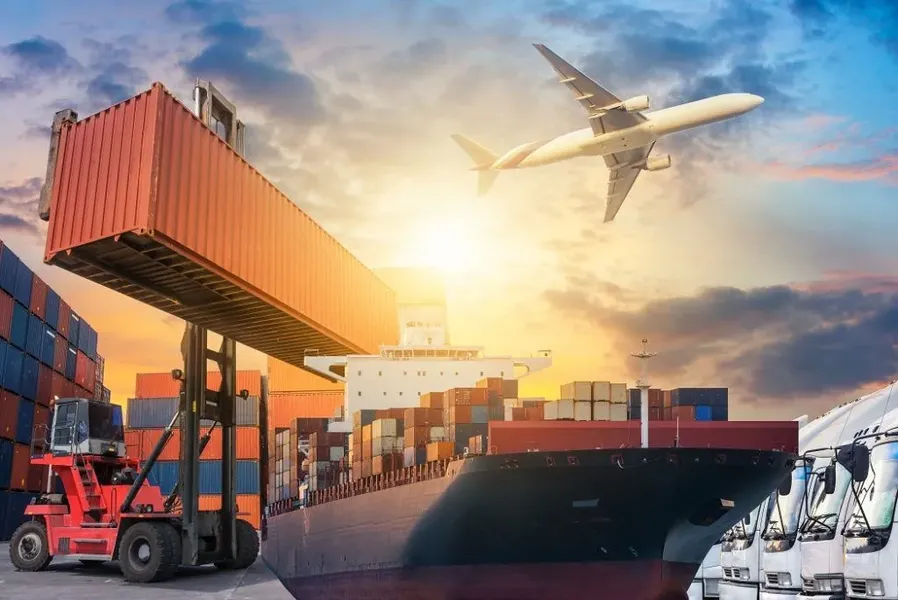
The Basic Idea
Exports bring money into a country. Imports send money out. The difference between them – the trade balance – affects currency value, jobs, inflation, and overall economic health. A consistent surplus or deficit tells a story about a nation's strengths and vulnerabilities.
Quick Answer: How Exports and Imports Affect National Economy Balance
Exports earn foreign currency, create jobs, and improve the trade balance, supporting economic growth. Imports supply goods and keep prices competitive but can create a deficit that weakens the currency and reduces demand for local production if they grow too fast. A healthy balance usually supports stable growth; large persistent deficits can create financing challenges.
What Is Trade Balance and Why It Matters
Trade balance is simply the value of exports minus the value of imports. When exports are higher, a country has a trade surplus. When imports dominate, it has a trade deficit. This balance is part of the larger current account and influences how much a nation needs to borrow or attract investment from abroad.
How Strong Exports Benefit the Economy
Exports bring in foreign money that can be used to pay for imports, invest in infrastructure, or build foreign reserves. They create jobs in manufacturing, agriculture, and services. Successful exporting countries often see faster GDP growth, technology transfer, and improved productivity as companies compete on the global stage.
The Role and Risks of Imports
Imports give consumers and businesses access to goods they cannot produce efficiently or at all locally – from machinery and technology to consumer products. They help control inflation by increasing supply. However, if imports grow much faster than exports for a long time, the country may need to borrow or sell assets to finance the gap, which can weaken the currency and make future imports more expensive.
How Exports and Imports Influence Currency Value
Strong export performance tends to strengthen a country's currency because foreigners need it to buy those exports. Heavy reliance on imports can put downward pressure on the currency. A weaker currency makes exports cheaper and more competitive but raises the cost of imported goods and can fuel inflation.
Connection Between Trade Balance and Economic Growth
Countries with strong export sectors often grow faster because exports are a direct component of GDP. They also tend to run trade surpluses that provide resources for further investment. On the other hand, large and persistent trade deficits can limit growth if they lead to rising debt or force painful adjustments later.
| Trade Situation | Common Effects | Examples |
|---|---|---|
| Trade Surplus | Stronger currency, job creation in export sectors | Germany, China (in past decades) |
| Trade Deficit | Cheaper imports, possible currency pressure | United States, many developing countries |
Special Considerations for Developing Countries
Many developing nations rely on exporting raw materials or basic goods while importing machinery and technology. Improving the quality and value of exports (moving up the value chain) helps narrow trade gaps and supports more stable growth. Sudden drops in export prices or rises in import costs can create serious balance-of-payments problems.
Real-World Examples
Countries that successfully increased manufactured exports have often seen faster industrialization and rising living standards. Others that depended too heavily on a few export commodities faced sharp slowdowns when global prices fell. Managing the balance between exports and imports remains one of the biggest policy challenges for any nation.
FAQs – How Exports and Imports Affect National Economy Balance
Is a trade deficit always bad?
Not necessarily. It can reflect strong domestic investment or consumption. The issue arises when the deficit becomes large, persistent, and hard to finance sustainably.
Can a country grow with a trade deficit?
Yes. Many fast-growing economies run deficits while attracting foreign investment to fund development. The important factor is whether the inflows are used productively.
How does currency value affect exports and imports?
A weaker currency makes exports cheaper abroad (boosting them) and imports more expensive locally (reducing them). A stronger currency does the opposite.
Conclusion
Exports and imports are two sides of the same coin that together shape a nation's economic balance. Strong, competitive exports drive growth, create jobs, and strengthen the currency. Well-managed imports bring needed goods and keep prices in check. The challenge for policymakers is to encourage exports, use imports wisely, and keep the overall balance sustainable over time.
Understanding these dynamics helps citizens and businesses make better decisions and appreciate why trade policy matters for everyday life.
Explore more economic topics here:
• Impact of inflation on cost of living in developing countries
• How central banks control inflation and interest rates
• List of fastest developing countries in the world
• Effects of government debt on economic growth explained