
Which Is the Richest Country in Middle East Asia in 2026?
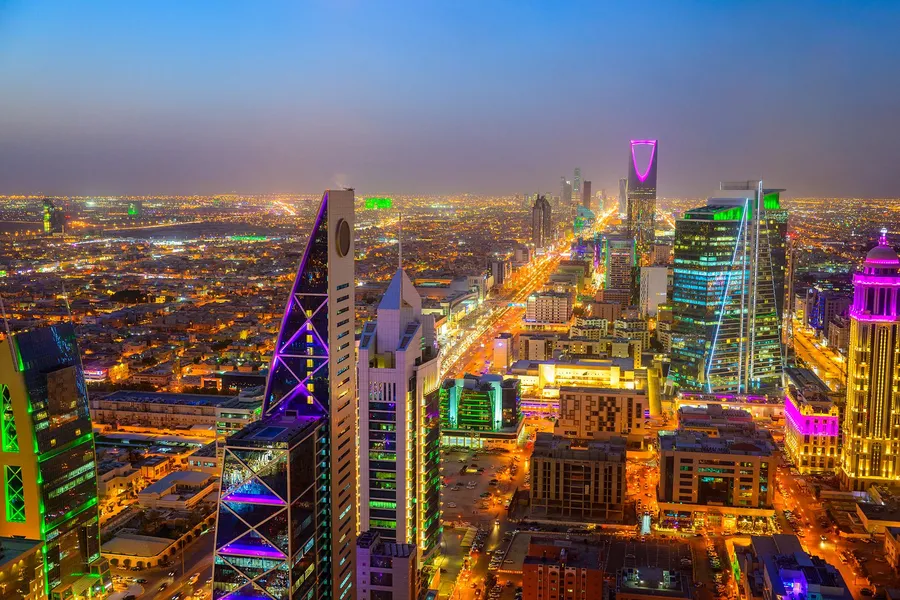
As of 2026, the richest country in Middle East Asia by nominal GDP is Saudi Arabia, with an estimated GDP of approximately $1.1–1.3 trillion. Saudi Arabia leads the region due to its position as the world's second-largest oil reserves holder and top exporter, massive sovereign wealth (Public Investment Fund – PIF, one of the largest globally), aggressive Vision 2030 diversification into tourism (NEOM, Red Sea projects), entertainment, mining, renewables, and petrochemicals, plus a large domestic market and strategic location.
Quick Answer: Richest Country in Middle East Asia 2026
The richest country in Middle East Asia in 2026 by nominal GDP is Saudi Arabia, with an estimated GDP of $1.1–1.3 trillion. Saudi Arabia dominates through unparalleled hydrocarbon wealth (OPEC's de facto leader, ~10–12% of global oil production), the world's 4th–5th largest sovereign wealth fund (PIF ~$1 trillion+ assets), and rapid non-oil diversification under Vision 2030 — including giga-projects (NEOM, The Line, Red Sea), tourism (religious & leisure), entertainment (Riyadh Season), mining (Ma'aden), renewables, and tech/finance hubs. Oil remains central but non-oil sectors now drive significant growth.
Turkey ranks second (~$1.0–1.15 trillion), followed by UAE, Israel, and Iran (sanctions-adjusted). The richest country in Middle East Asia in 2026 reflects Saudi Arabia's scale, resource endowment, and ambitious economic transformation.
What Does “Richest Country” Mean? (Richest Country in Middle East Asia 2026)
2.1 GDP vs GDP Per Capita – Richest Country in Middle East Asia 2026
Nominal GDP measures total economic output in current US dollars — the standard for ranking the richest country in Middle East Asia by overall economic size. GDP per capita divides GDP by population, showing average wealth. Saudi Arabia leads in total GDP but ranks mid-tier in per capita (~$30,000–35,000), while small oil states like Qatar (~$90,000–110,000) and UAE top per-capita rankings.
2.2 Nominal GDP vs PPP – Richest Country in Middle East Asia 2026
This ranking uses nominal GDP for direct international comparison and headline “richest country” status. Purchasing Power Parity (PPP) adjusts for lower cost-of-living and often ranks Turkey and Iran higher due to population and cheaper domestic prices. Nominal remains the most common metric for total economic power.
Top 10 Richest Countries in Middle East Asia 2026
Ranking of the richest country in Middle East Asia in 2026 by estimated nominal GDP (IMF/World Bank/market consensus projections). Middle East Asia typically includes Saudi Arabia, Turkey, UAE, Israel, Iran, Qatar, Kuwait, Iraq, Oman, Bahrain.
| Rank | Country | GDP 2026 est. (USD Billion) |
|---|---|---|
| 1 | Saudi Arabia | $1,100–1,300 |
| 2 | Turkey | $1,000–1,150 |
| 3 | United Arab Emirates | $550–650 |
| 4 | Israel | $550–620 |
| 5 | Iran | $450–550 (sanctions-adjusted) |
| 6 | Qatar | $220–260 |
| 7 | Kuwait | $160–190 |
| 8 | Iraq | $280–340 |
| 9 | Oman | $110–130 |
| 10 | Bahrain | $45–55 |
#1 Saudi Arabia – Detailed Breakdown (Richest Country in Middle East Asia 2026)
Saudi Arabia is the richest country in Middle East Asia in 2026 (~$1.1–1.3 trillion nominal GDP). Dominance driven by oil & gas (world's 2nd largest reserves, ~10–12% global production), largest sovereign wealth fund (PIF ~$1 trillion+), Vision 2030 non-oil growth (tourism, entertainment, mining – phosphates/gold, renewables, tech/finance hubs), petrochemicals (SABIC), and large domestic market (~36 million people). Challenges include oil price volatility and diversification pace.
#2 Turkey – Detailed Breakdown (Richest Country in Middle East Asia 2026)
Turkey ranks as the second-richest country in Middle East Asia in 2026 (~$1.0–1.15 trillion). Strengths include diversified manufacturing (autos, textiles, appliances), tourism (Istanbul, Antalya), construction/engineering exports, agriculture (nuts, fruits), and strategic location (Eurasia bridge). Growth volatile due to inflation and currency pressures.
#3 United Arab Emirates – Detailed Breakdown (Richest Country in Middle East Asia 2026)
UAE is the third-richest country in Middle East Asia in 2026 (~$550–650 billion). Driven by oil/gas (Abu Dhabi), global financial/tourism hub (Dubai), logistics (Jebel Ali port), free zones, tech/AI push, and diversification success. High per-capita wealth and business-friendly environment.
Key Economic Sectors in Middle East Asia’s Richest Countries (Richest Country in Middle East Asia 2026)
- Oil & Gas: Saudi Arabia (world #2 reserves), UAE, Qatar (LNG giant), Kuwait, Iraq.
- Petrochemicals & Mining: Saudi Arabia (SABIC, Ma'aden), UAE, Qatar.
- Tourism & Hospitality: UAE (Dubai, Abu Dhabi), Saudi Arabia (Vision 2030 projects), Turkey (Istanbul, coast), Israel (Tel Aviv, Jerusalem).
- Finance & Services: UAE (Dubai/Abu Dhabi IFSC), Saudi Arabia (Riyadh financial hub), Turkey (Istanbul), Israel (high-tech services).
- Manufacturing & Tech: Turkey (autos, textiles), Israel (cybersecurity, defense tech), UAE (emerging advanced manufacturing).
Economic Growth Trends (2020–2026) – Richest Country in Middle East Asia
From 2020–2026, Saudi Arabia strengthened its lead through oil price recovery, PIF mega-investments, and non-oil acceleration (tourism, entertainment, mining). UAE and Qatar excelled in diversification. Turkey showed strong but inflationary growth. Iran remained constrained by sanctions. The richest country in Middle East Asia ranking remained Saudi Arabia dominant, with UAE and Turkey closing gaps in non-oil performance.
Comparison With Other Continents – Richest Country in Middle East Asia 2026
The richest country in Middle East Asia in 2026 (Saudi Arabia ~$1.1–1.3T) is significantly smaller than Western Europe's leader (Germany ~$4.9–5.2T), North America's (United States ~$28–30T), or Asia's (China ~$20–21T). The region excels in energy wealth and per-capita income but remains commodity-dependent with diversification underway.
FAQs – Richest Country in Middle East Asia 2026
What is the richest country in Middle East Asia in 2026?
The richest country in Middle East Asia in 2026 by nominal GDP is Saudi Arabia, with an estimated $1.1–1.3 trillion, driven by oil, Vision 2030 diversification, and sovereign wealth.
Which Middle East Asian country has the highest GDP in 2026?
Saudi Arabia holds the highest nominal GDP in Middle East Asia in 2026 at around $1.1–1.3 trillion, followed by Turkey, UAE, Israel, and Iran.
What country has the highest GDP per capita in Middle East Asia in 2026?
Qatar, UAE, Kuwait, and Bahrain typically lead Middle East Asia in GDP per capita in 2026 (around $60,000–110,000+), followed by Saudi Arabia and Israel.
How is the richest country in Middle East Asia determined?
The richest country in Middle East Asia is ranked by nominal GDP (total economic output in current US dollars). GDP per capita shows average wealth; PPP adjusts for purchasing power. This ranking uses nominal GDP.
Which Middle East Asian country is growing fastest in 2026?
UAE, Saudi Arabia, and Qatar are among the fastest-growing in Middle East Asia in 2026 (often 3–6%+ real growth), driven by diversification and investment.
Conclusion – Richest Country in Middle East Asia 2026
Saudi Arabia stands as the richest country in Middle East Asia in 2026 with nominal GDP of approximately $1.1–1.3 trillion, powered by oil dominance, Vision 2030 transformation, and massive sovereign wealth. Turkey, UAE, Israel, and others follow with diversified strengths. Future prospects depend on energy markets, diversification success, geopolitics, and global demand. All figures are estimates based on IMF, World Bank, and consensus forecasts.
Data Sources & References
Estimates compiled from IMF World Economic Outlook (latest 2025–2026 projections), World Bank data, SAMA (Saudi Arabia), TurkStat, UAE Federal Competitiveness Authority, and market consensus forecasts. All GDP figures approximate and subject to oil prices, sanctions, and revisions.
For more global and regional economic rankings, visit our general articles page for the latest updates.