
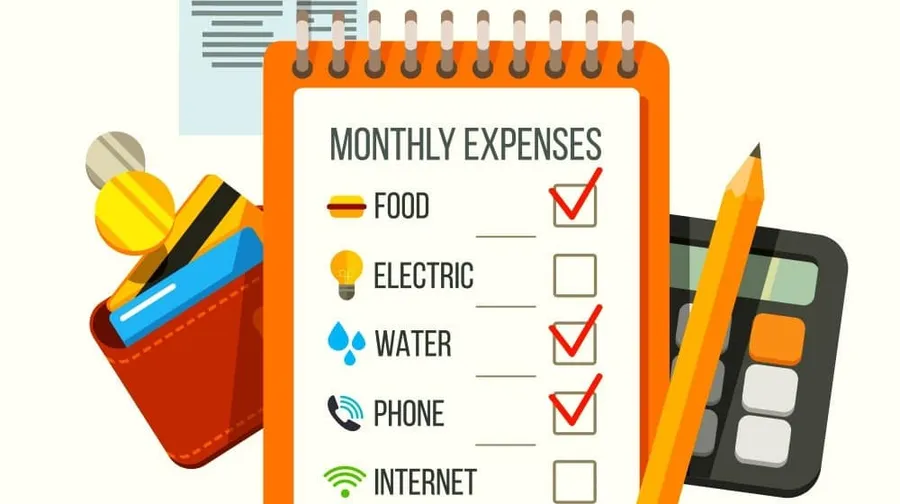
Why Most People Struggle with Spending
Many of us don’t realize how much small daily purchases add up until we actually track them. A $2 snack here, a $5 ride there, and a subscription we forgot about can easily drain $100–300 every month without us noticing. Tracking expenses brings these hidden leaks into the light and gives you real power over your money.
Quick Answer: How to Track Expenses and Control Spending
Write down or log every single purchase immediately – no matter how small. Do this for 30 days. Categorize spending into needs and wants. Set weekly cash limits for flexible categories. Review your log every Sunday. Most people who do this consistently cut unnecessary spending by 15–35% and feel much more in control within the first month.
Why Tracking Expenses Actually Works
Awareness is the first and most powerful step. When you see in writing that you spent $45 on snacks and drinks this week, it becomes much harder to repeat the same pattern next week. Studies on budgeting show that people who track their expenses for at least one month reduce their spending by an average of 20% without feeling deprived – simply because they become more intentional.
For students and people on tight budgets, this skill is especially valuable. It helps you protect the little money you have and even find room to start saving.
Simple Methods to Track Your Expenses
You don’t need fancy apps. The easiest method is the “notebook method”: carry a small notebook or use the notes app on your phone and write down what you spend as soon as you spend it. Include the date, amount, and what it was for.
Another effective way is the envelope system for cash spending – put a fixed amount for food, transport, and personal items in separate envelopes at the beginning of the week. When the envelope is empty, you stop spending in that category until next week.
Daily Habits That Help Control Spending
- Wait 24–48 hours before buying anything that is not essential
- Ask yourself: “Do I need this or do I just want it right now?”
- Log expenses the same day – never “I’ll do it later”
- Review your spending for 5 minutes every evening
- Celebrate small wins like finishing the week under budget
How to Categorize Spending Effectively
Divide your expenses into three simple groups: Fixed Needs (rent, food basics, transport to school), Variable Needs (electricity, phone credit), and Wants (eating out, new clothes, entertainment). This clear separation makes it much easier to see where you can make cuts without affecting your basic life.
Free Tools and Templates That Work Well
A simple Google Sheets or Excel spreadsheet with columns for Date, Description, Amount, and Category is often the most effective. Many students also use free budgeting apps that require no payment. The best tool is the one you will actually use every day.
If you want a ready-made monthly budget template, see our guide on how to make a monthly budget spreadsheet.
Overcoming Common Tracking Challenges
Forgetting to log purchases is the biggest problem. Solve it by making it a habit – log immediately after paying. Feeling restricted is another common issue. Remember that tracking is about awareness, not punishment. Allow a small “fun money” amount each week so the system feels sustainable.
Turning Tracking into Long-Term Control
After 30 days, you will have clear data on your spending patterns. Use that information to set realistic monthly targets. Gradually increase the amount you save or redirect toward goals like an emergency fund or school needs. The real win comes when controlling spending becomes automatic.
Combining good tracking with other habits like best saving strategies for students with no income creates powerful financial progress.
FAQs – Tracking Expenses and Controlling Spending
How long should I track expenses before seeing results?
Most people notice patterns and make improvements within the first 2–4 weeks. Real control usually comes after 1–2 months of consistent tracking.
Is it necessary to track every single small purchase?
Yes, especially in the beginning. The small purchases are often where the biggest leaks happen.
What if I feel too restricted when tracking?
Build in a small weekly allowance for fun. The goal is balance, not perfection.
Conclusion
Tracking expenses and controlling spending habits is one of the most valuable skills you can learn. It doesn’t require a high income – just consistency and honesty with yourself. Start today with a simple notebook or spreadsheet, review weekly, and watch how your relationship with money improves over time.
Small daily actions lead to big monthly savings and greater peace of mind. You’ve got this.
Data Sources & References
Methods and savings estimates based on common financial coaching practices and real-user reports from budgeting studies (2024–2026). Individual results vary depending on commitment and personal circumstances. This guide is for educational purposes. Consider speaking with a financial advisor for personalized advice.