
Shifting From History to Capability in 2026
Employers know fresh graduates do not have twenty years of corporate history. What they are looking for is capability, fast learning parameters, and raw initiative. In 2026, resume algorithms (ATS) look for keyword alignment rather than long service tenure. Flipping your mindset from "what I have done" to "what I can do" is how you win.
Quick Checklist: Writing Your Zero-Experience Resume
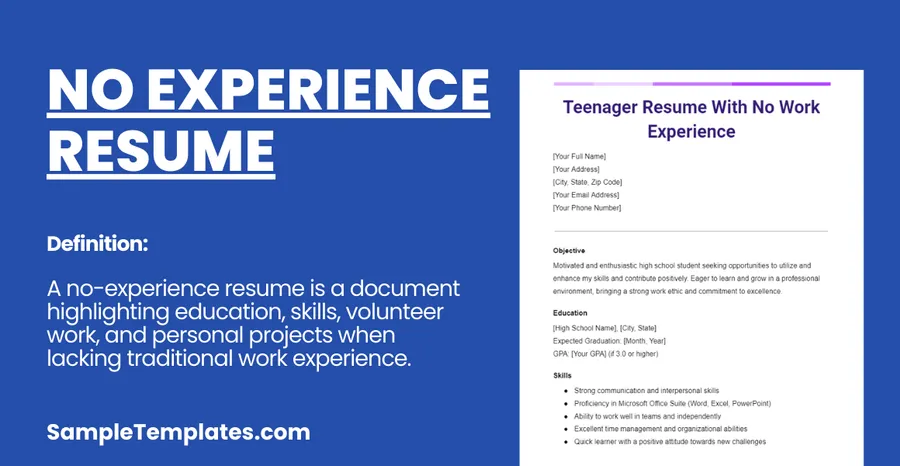
If you want to know how to write a professional resume with no job experience for fresh graduates, you must focus on structure.
- Lead with a Summary: State your degree, your target role, and your top 2 skills.
- Elevate Education: List relevant modules, GPA (if above 3.5), and academic honors.
- Highlight Projects: Treat group university projects or dissertations as visual work history.
- Quantify Skills: Don't just list "organized"; say "coordinated events for 150+ students." Check our campus event parameters.
The Functional Resume Layout Parameters
Standard resumes list jobs chronologically. Since you do not have that, use a functional layout. This shifts the visual reading weight onto your skill clusters rather than your timeline.
- Header: Name, professional Email, Phone, and LinkedIn URL. Do not include photos or home addresses.
- Skills Summary: 3-4 bullet points highlighting your hardest technical proficiencies. Compare this to scaling business operations metrics.
- Projects/Volunteer: Where you prove you used those skills in real-world visual environments.
What to Use When You Have No "Real" Jobs
You have done more work than you think. Ground your qualitative reading by mining your university history for these job equivalents:
- Dissertation / Capstone Projects: Proves research, data management, and deadline compliance parameters. Connect this to your academic time management tracker.
- Clubs and Societies Leadership: If you were the treasurer of a sports club, you managed budgets. If you were a social sec, you ran marketing. Track your student budgeting parameters.
- Online Certifications: Coursera, Udemy, and LinkedIn Learning visual badges prove you are a self-starter.
Visual Checklist for Beating ATS Resume Screeners
Let us audit the reading parameters. Below is a standard table demonstrating how visual formatting determines whether a human eyes your file.
| Element Class | The Right Way (ATS Pass) | The Wrong Way (ATS Fail) |
|---|---|---|
| Visual Layout | Single column, clear headings | Multi-columns, text boxes |
| Graphics | Zero icons or skill bars | Logos, charts, skill ratings |
| Keywords | Mirrors job description terms | Generic, repetitive buzzwords |
Frequently Asked Questions
What should I put on my resume if I have no job experience?
Focus on your Education (GPA, relevant coursework), University Projects, Volunteer Work, Internships, and Technical/Soft Skills. Treat academic leadership roles as job equivalents.
How long should a fresh graduate resume be?
Keep it strictly to one single page. Hiring managers spend an average of 6 to 7 seconds scanning entry-level resumes, so visual brevity is key.
What is an ATS and how do I beat it?
ATS stands for Applicant Tracking System. To pass, use simple visual formatting (no complex tables, graphics, or text boxes), save as a PDF, and pull keywords directly from the job description.
Conclusion
Learning how to write a professional resume with no job experience for fresh graduates is about mining your university trajectory for transferable skills. By deploying functional visual tables, highlighting academic projects, and adhering to strict ATS reading parameters, you ensure your application stands out in 2026. Pull open a blank Word document today and start listing your skills.