
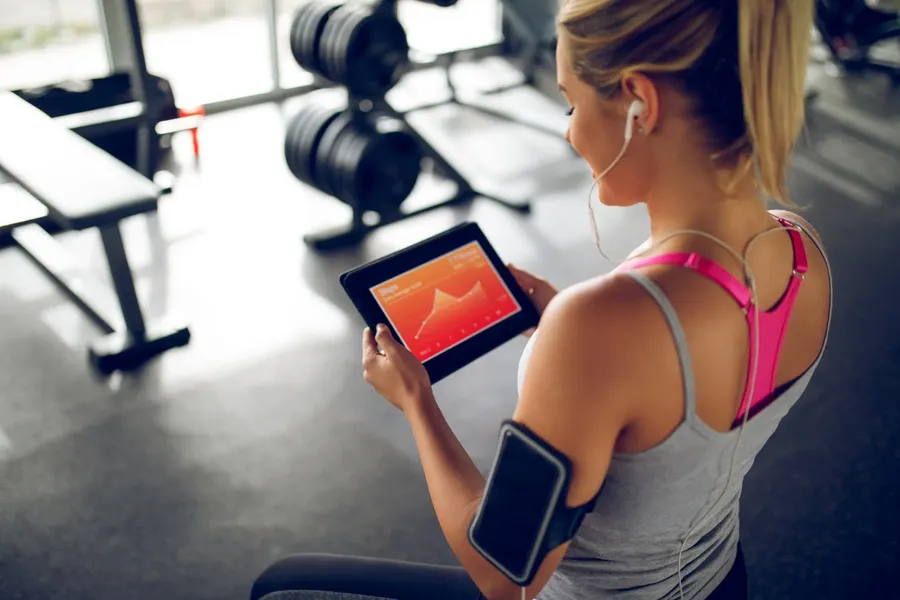
Quick Answer: Tracking Progress Without a Trainer
Use progress photos every 2-4 weeks, body measurements with a tape, strength logs (reps/sets), how your clothes fit, and simple performance tests. Track weekly workouts and review every 4 weeks. Most beginners see noticeable strength gains in 2-4 weeks and visible changes in 6-12 weeks.
Quick Answer: How to Track Fitness Progress Without a Trainer
Take consistent progress photos, measure key body areas, log your workouts (exercises, reps, sets), note how clothes fit and your energy levels, and do simple tests like maximum push-ups or plank hold time. Review data every 4 weeks and adjust your routine based on what’s improving and what isn’t.
Why Tracking Progress Is Essential for Beginners
Without tracking, it’s easy to feel like you’re not improving even when real changes are happening. Seeing concrete numbers or photos keeps motivation high and helps you spot when it’s time to make your workouts harder or easier. People who regularly track their fitness are significantly more likely to stick with their routine long-term.
Best Methods to Track Fitness Progress at Home
Here are the most practical and accurate ways you can monitor your improvements without any professional help:
- Progress photos (same lighting, pose, and time of day)
- Body measurements with a flexible tape measure
- Strength and performance logs
- How your clothes fit and feel
- Daily energy levels and sleep quality
- Simple fitness tests (push-ups, plank hold, etc.)
Using Body Measurements and Progress Photos
Take front, side, and back photos every 2-4 weeks in the same lighting and underwear or tight clothing. Measure these areas: waist (narrowest point), hips, chest, arms (flexed), and thighs. Many people lose inches even when the scale doesn’t move much because they are gaining muscle while losing fat.
Tracking Strength and Performance Gains
Keep a simple log of each workout: exercises, sets, reps, and how difficult it felt. Over time you’ll see clear progress — doing more push-ups, holding a plank longer, or needing less rest between sets. These strength increases are often the first sign that your training is working.
Other Important Signs of Progress
- Clothes fitting looser around the waist or tighter in the arms/shoulders
- More energy throughout the day and better sleep at night
- Improved mood and reduced stress after workouts
- Easier performance of daily tasks like carrying groceries or climbing stairs
How Often Should You Track Your Progress?
Log every workout (takes less than 1 minute). Take photos and measurements every 2-4 weeks. Review your overall progress monthly. Tracking too often can be discouraging due to normal daily fluctuations, while tracking too rarely makes it hard to stay motivated.
When and How to Adjust Your Training Plan
If you’re not seeing any improvements after 4-6 weeks, increase intensity (harder variations or more reps), add a session, or improve nutrition and sleep. If you feel constantly tired or sore, reduce volume or add extra rest days. The goal is steady progress, not perfection.
Combine good tracking with a solid weekly workout plan for faster results.
FAQs – Tracking Fitness Progress Without a Trainer
How accurate are home measurements?
Very accurate if you measure the same spots consistently and use the same conditions each time.
Should I weigh myself every day?
Weekly or bi-weekly is better. Daily weight fluctuates a lot due to water, food, and hormones.
What if the scale isn’t moving but I feel stronger?
That’s common and usually a good sign — you’re likely gaining muscle while losing fat. Trust the other measurements more than the scale.
Do I need expensive apps or devices?
No. A notebook, phone camera, and measuring tape are enough for excellent tracking.
How long until I see real progress?
Strength and energy improvements often appear in 2-4 weeks. Visible body changes usually take 6-12 weeks of consistent effort.
Conclusion – Take Control of Your Progress
Tracking fitness progress without a trainer is simple, free, and incredibly motivating once you start. Use a combination of photos, measurements, strength logs, and how you feel to get a complete picture of your improvements. Review your data regularly and make small adjustments as needed.
The most successful people aren’t the ones who train perfectly every day — they’re the ones who know what’s working and stay consistent over months and years. Start tracking today, and you’ll be amazed at how far you can go.
Data Sources & References
Methods based on recommendations from the American College of Sports Medicine, habit and progress tracking research, and practical experience with self-directed fitness programs. Individual results vary based on consistency, nutrition, sleep, and starting point. Consult a doctor before starting any new fitness or tracking routine if you have health concerns.
Ready to build better habits? Check our guide on how to stay consistent with your workout routine at home.