
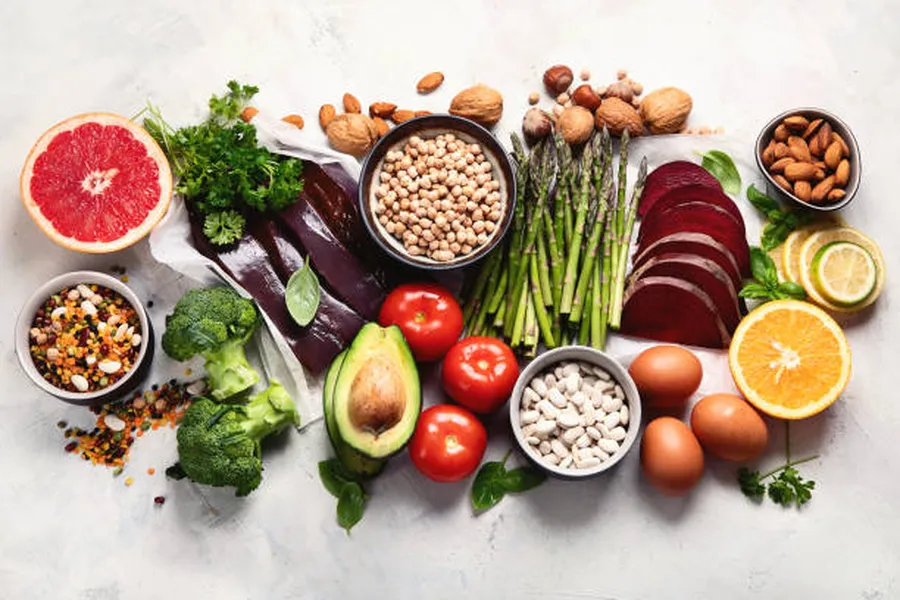
Why Fruits and Vegetables Are Nutrition Powerhouses
Fruits and vegetables are packed with vitamins, minerals, fiber, antioxidants, and thousands of beneficial plant compounds (phytochemicals) that work together in ways supplements simply cannot match. Regular daily consumption is linked to better energy, stronger immunity, improved digestion, and significantly lower risk of many chronic diseases.
Quick Answer: Benefits of Fruits and Vegetables Daily
Eating 5–9 servings (roughly 400–500g vegetables + 2–3 pieces of fruit) daily provides fiber, vitamins, minerals, and antioxidants that support immunity, digestion, heart health, energy levels, and weight management while reducing chronic disease risk.
How Much Fruits and Vegetables Should You Eat Daily?
Most health authorities recommend at least 400–500 grams of vegetables and fruits per day, which translates to about 5–9 servings. One serving is roughly a handful of vegetables, one medium fruit, or ½ cup of cooked produce. Higher intakes bring even greater benefits, especially for heart health and longevity.
Major Health Benefits Backed by Research
Regular consumption is associated with up to 30% lower risk of heart disease, better blood pressure control, improved gut health through fiber, stronger immune function, and easier weight management due to high volume and low calorie density. They also help reduce inflammation and oxidative stress in the body.
Vitamins, Minerals, and Antioxidants They Provide
Fruits and vegetables deliver vitamin C for immune support and collagen production, vitamin A and beta-carotene for vision and skin health, potassium for blood pressure regulation, folate for cell function, and powerful antioxidants like flavonoids and carotenoids that protect cells from damage.
The Important Role of Fiber in Fruits and Vegetables
Most people don’t get enough fiber. Fruits and vegetables are excellent sources – a single apple with skin provides about 4–5g, while broccoli and carrots add both soluble and insoluble fiber. This supports digestion, helps control blood sugar, promotes fullness, and feeds beneficial gut bacteria.
Support for Heart Health and Disease Prevention
Diets rich in fruits and vegetables are consistently linked to lower blood pressure, reduced LDL cholesterol oxidation, and decreased risk of stroke and heart disease. The combination of potassium, fiber, and anti-inflammatory compounds works synergistically for cardiovascular protection.
Helping with Weight Management and Satiety
Because they are high in water and fiber but relatively low in calories, fruits and vegetables allow you to eat larger volumes of food while staying in a calorie deficit or maintaining weight. Studies show people who increase produce intake often naturally eat fewer calories overall without feeling deprived.
Boosting Immunity, Energy, and Overall Vitality
The wide range of nutrients supports immune cell function, reduces fatigue, and improves energy levels. Many people notice better skin, digestion, and mood within a few weeks of consistently eating more fruits and vegetables.
Practical Ways to Increase Your Daily Intake
- Add vegetables to breakfast (spinach in eggs or smoothies)
- Keep cut fruit and vegetables visible and ready to eat
- Make half your plate vegetables at lunch and dinner
- Blend fruits into smoothies or enjoy as snacks
- Try new recipes – roasting or stir-frying can change flavors dramatically
FAQs – Benefits of Fruits and Vegetables
Are frozen or canned as good as fresh?
Yes. Frozen and properly canned options often retain nutrients well and can be more convenient and affordable.
Does juice count toward daily servings?
Whole fruits and vegetables are best. Juice lacks fiber and can be high in natural sugars, so limit it and prefer whole produce.
Can I eat too many fruits and vegetables?
For most healthy people, it’s very difficult to overdo it. Focus on variety and balance with other food groups.
How quickly will I notice benefits?
Many people feel more energetic and notice better digestion within 1–2 weeks. Long-term protective effects build over months and years.
What if I don’t like many vegetables?
Start with milder ones and experiment with preparation methods and seasonings. Tastes evolve with repeated exposure.
Conclusion
Making fruits and vegetables a daily priority is one of the simplest and most powerful things you can do for your long-term health. They provide a unique combination of nutrients and compounds that support everything from immunity and digestion to heart health and energy levels. Start by aiming for a few extra servings each day and build from there – your body will thank you.
For more practical nutrition advice, check healthy foods to eat daily for strong body and mind or how to create a balanced diet plan for beginners.
Data Sources & References
Benefits supported by large-scale studies and meta-analyses from organizations including WHO, Harvard School of Public Health, and the American Heart Association showing clear associations between higher fruit and vegetable intake and reduced risk of chronic diseases.
Explore more practical nutrition guidance in our nutrition section.