
The Biological Switching of Fuel Sources in 2026
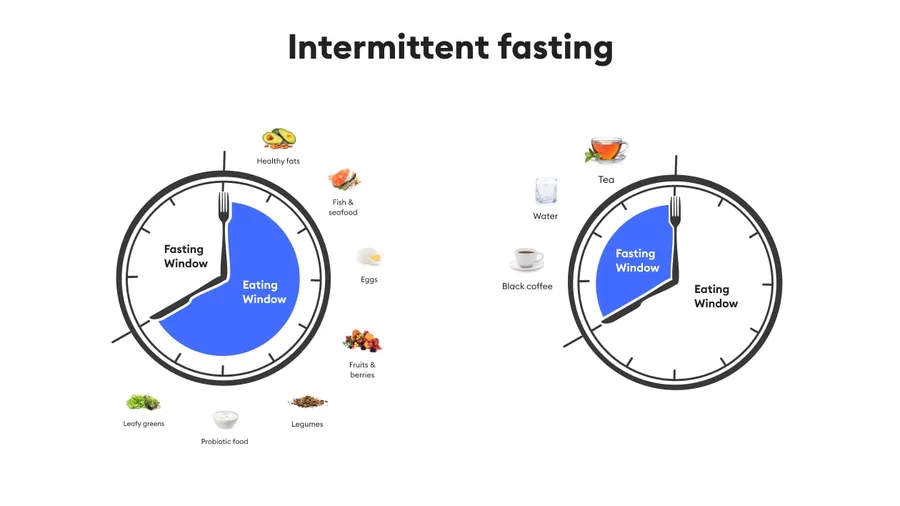
Intermittent fasting (IF) is not a visual diet; it is an eating pattern. Qualitative clinical audits demonstrate that when you withhold food for 12 to 16 hours, your liver depletes its glycogen reserves. Once glycogen is empty, your body initiates a visual "metabolic switch," flipping from burning glucose to oxidizing stored adipose tissue (fat) for fuel. It also triggers cellular autophagy, where your body cleans out damaged organelles.
Quick Checklist: Steps to Start Intermittent Fasting Today
If you want to master how to do intermittent fasting step by step for beginners, you must ease your digestive system into the parameters.
- Pick your visual ratio: Start with 12 hours of fasting (e.g., 8 PM to 8 AM).
- Hydrate during the fast: Drink black coffee, green tea, or water. No milk or sugar. Contrast this hydration with flushing immune cells.
- Eat high-satiety foods: Ensure your eating window contains lean proteins and fibrous greens. Link this to natural portion plate control.
- Listen to your body: Mild hunger is normal; visual dizziness or intense headaches are cues to break the fast early. Compare this checking to monitoring arterial vital metrics.
Step 1: Choosing Your Fasting Parameter Envelope
There is no one-size-fits-all fasting rule. The qualitative goal is to compress your visual digestion time to allow your insulin levels to hit zero.
- The 16:8 Method (Gold Standard): You fast for 16 hours and eat during an 8-hour window (e.g., 12 PM to 8 PM). Perfect for skipping breakfast.
- The 14:10 Method (Gentle Entry): You fast for 14 hours and eat for 10 hours. Ideal for absolute visual beginners. Compare this gentle timing to scheduling college study time-blocks.
- The 5:2 Method (Alternate Days): Eat normally for five days, and restrict calories to 500-600 on two non-consecutive days.
Step 2: Securing Your Nutritional Opening
How you break your fast is just as important as how long you fast. Shoveling processed sugars into your empty digestive tract causes massive visual insulin spikes.
- The visual First Meal: Open with lean protein (eggs, chicken) and healthy fats (avocado, nuts). Link this to budget-friendly healthy meal prepping ideas.
- Avoid Refined Carbohydrates: Donuts, white bread, and sugary sodas will trigger a visual crash. Contrast this crash with occupational burnout fatigue traps.
Visual Checklist of Beginner Fasting Windows
Let us audit the reading parameters. Below is a standard table demonstrating how visual hours map out onto your daily routine.
| Fasting Metric | Fasting Window Hours | Typical Meal Times |
|---|---|---|
| Circadian 12:12 | 8:00 PM to 8:00 AM | 8:00 AM, 1:00 PM, 7:00 PM |
| LeanGains 16:8 | 8:00 PM to 12:00 PM | 12:00 PM, 4:00 PM, 7:30 PM |
| Warrior 20:4 | 10:00 PM to 6:00 PM | 6:00 PM to 10:00 PM (Huge feast) |
Frequently Asked Questions
What can I drink while intermittent fasting?
During your fasting window, you can consume water, black coffee, and unsweetened green or black tea. Anything with calories, sweeteners, or dairy will break your visual fast and spike insulin parameters.
Is intermittent fasting safe for absolute beginners?
Yes, for most healthy adults. It is best to start slow with a 12-hour window and slowly expand to 14 or 16 hours. If you have underlying medical conditions, consult your doctor first.
Does intermittent fasting cause muscle loss?
Not if you consume enough protein during your eating window and pair it with resistance training. Fasting triggers Human Growth Hormone (HGH), which actually helps protect lean tissue.
Conclusion
Mastering how to do intermittent fasting step by step for beginners returns metabolic sovereignty back into your hands. By utilizing visual reading tables, equalizing hydration quotas, and locking in your eating parameters, you override modern craving barriers in 2026. Stand up right now, pour a tall glass of mineral water, and decide what your fasting window will be tonight!