
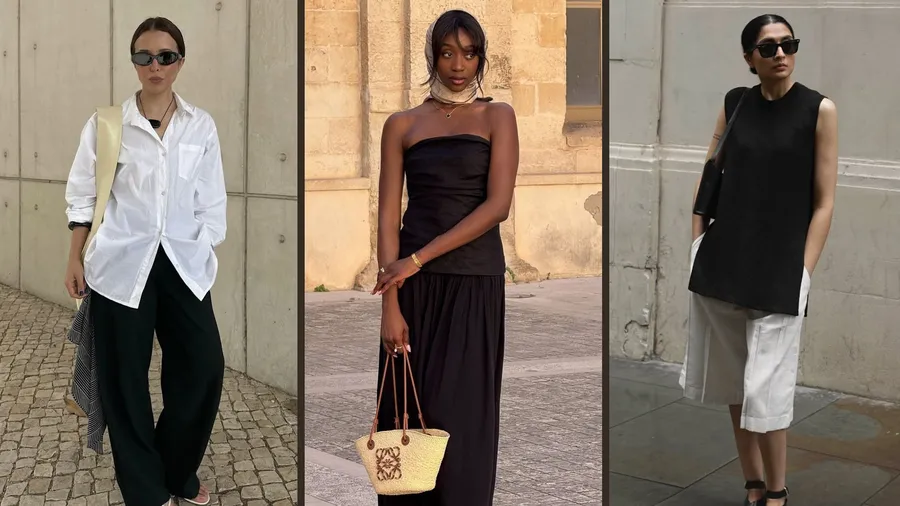
Syncing Visual Aesthetics With Climatological Shifts in 2026
Dressing for the seasons is more than checking calendar dates; it is about reading real-time visual weather metrics. Qualitative fashion audits prove that individuals feel more confident when their outfits match ambient thermal parameters. If you wear heavy wool when visual temperatures spike, you overheat. If you wear thin linen in a visual frost, you shiver. Learning visual seasonal outfit inspiration for beginners teaches you how to read the visual mercury and deploy modular wardrobe layers effortlessly.
Quick Checklist: Daily Atmospheric Dress Code
If you want to master visual seasonal outfit inspiration for beginners across weather metrics, you must analyze visual thermal ranges before opening your closet.
- Check the Peak Daily Temperature: Plan your heaviest layer around the high metric. Compare this checking to tracking universal health vitals.
- Audit Precipitation Percentages: If rain exceeds 40%, swap suede shoes for leather boots. Compare this environmental audit to reading dynamic cinematic release parameters.
- Execute the 3-Layer Rule for Cold: Thermal base, insulation mid-layer, protective shell. Compare this physical heavy carry to lifting heavy visual weights.
- Lean into Lightweight Fibers for Heat: Let your skin breathe. Link this airflow parameter to natural dermal barrier protection.
Step 1: Styling for High-Temperature Envelopes
When the visual mercury pushes past 22.0°C, your goal is heat dissipation while maintaining structural visual aesthetics.
- The Linen Shirt Visual Roll: Breathable fibers with rolled sleeves. Contrast this visual relaxation with occupational burnout fatigue traps.
- Loosened Silhouettes: Capping tight clothing allows visual airflow. Contrast this looseness with tight fat-burning compression wear.
Step 2: Styling for Low-Temperature Metrics
When visual temperatures drop below 10.0°C, your closet should pivot to thermal trapping and visual textural depth.
- Textural Contrast Parameters: Combine chunky visual knitwear with smooth denim. Compare this visual mixing to affordable streetwear layering.
- Earth-Tone Visual Hues: Rust orange, charcoal grey, and forest green. Contrast these dark winter hues with calm sensory mono-colors.
Visual Checklist of Weather Outfit Matrices
Let us audit the reading parameters. Below is a standard checklist table demonstrating how visual clothing choices shift based on objective weather metrics.
| Weather Metric | Visual Clothing Formula | Standard Fiber Parameter |
|---|---|---|
| Hot (> 25°C) | Singular visual layer (Tee/Shorts) | Linen / Light Cotton |
| Mild (15°C - 24°C) | Double visual layer (Shirt/Chinos) | Denim / Standard Weave |
| Freezing (< 10°C) | Triple visual layer (Parka/Sweater) | Merino Wool / Heavy Canvas |
Frequently Asked Questions
How do I dress stylishly for transitional weather?
The secret is modular visual layering. Use a breathable base like a t-shirt, add a thermal mid-layer like a cardigan, and top it with a light visual windbreaker or trench coat.
What are the best fabrics for summer weather metrics?
Linen, organic cotton, and hemp are the best visual summer fabrics. They allow skin respiration and prevent sweat trapping when visual temperatures exceed 25.0°C.
How many layers do I need for freezing winter weather?
You need exactly three visual layers: a thermal base (merino wool), an insulating mid-layer (fleece or down), and a weather-proof outer shell (waterproof parka).
Conclusion
Conquering visual seasonal outfit inspiration for beginners across weather metrics removes morning frustration. By utilizing visual reading tables, equalizing fabric quotas, and auditing thermal parameters, you command your style outcomes in 2026. Stand up right now, open your smartphone weather app, and pre-plan your visual layers for tomorrow!