
Quick Take: Why Active Listening Matters
In many relationships, people hear each other but don’t truly listen. Active listening changes that by focusing on understanding your partner’s feelings and perspective first. Couples who practice it often experience less conflict and more closeness.
Quick Answer: How Active Listening Improves Relationship Communication
Active listening involves giving your partner undivided attention, reflecting their words and emotions, asking clarifying questions, and responding empathetically. It helps reduce arguments, builds trust, and deepens emotional connection. Many couples see improvements in just a few weeks of consistent practice.
What Is Active Listening in a Relationship?
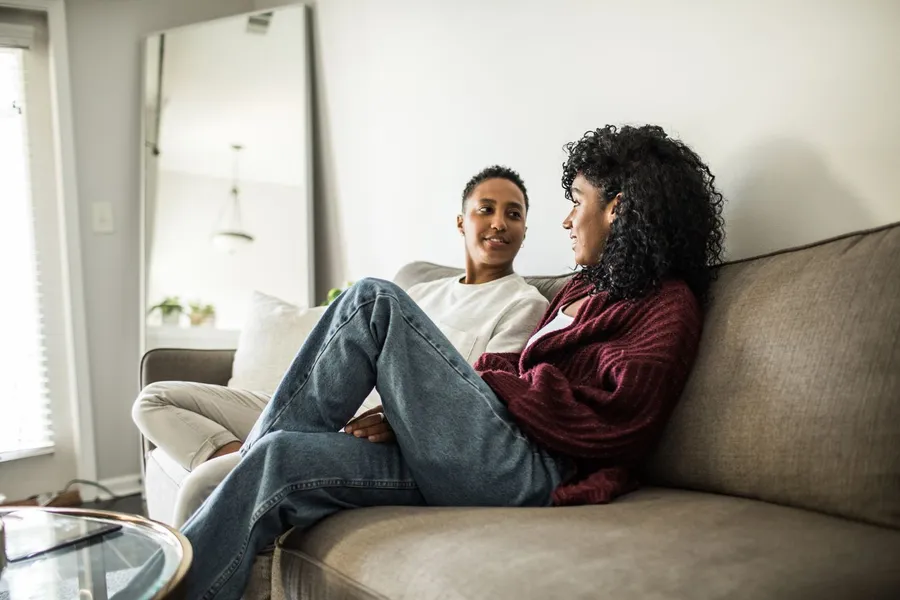
Most of us think we’re good listeners, but there’s a big difference between hearing words and truly listening. Active listening means being fully present with your partner—paying attention to what they say, how they say it, and the feelings behind it. Instead of planning your reply or jumping in to fix things, you focus on understanding their point of view.
It includes nonverbal cues like eye contact and nodding, plus verbal responses such as paraphrasing (“So what I’m hearing is...”) and validating emotions (“That sounds really frustrating”). This skill comes from counseling traditions and has become a cornerstone for healthy relationships because it makes people feel respected and safe to open up.
In everyday life, poor listening often leads to repeated arguments about the same issues. When you listen actively, conversations shift from debating who’s right to genuinely connecting.
Benefits of Active Listening for Couples
Practicing active listening does more than smooth over tough talks—it strengthens the foundation of your relationship. When partners feel heard, they’re more likely to share openly and work through problems together.
- Reduced Conflicts: Misunderstandings decrease because you clarify instead of assuming.
- Stronger Emotional Bond: Feeling understood releases feel-good hormones and builds intimacy.
- Higher Relationship Satisfaction: Studies link better listening to greater happiness and stability in couples.
- Better Trust: Partners become more willing to be vulnerable when they know they won’t be judged or interrupted.
Research from psychology shows that perceiving active listening activates brain reward areas, making interactions more positive. One analysis found that managers trained in active listening saw around 30% improvement in satisfaction among their teams—a pattern that applies to romantic relationships too.
Practical Active Listening Techniques to Try Tonight
You don’t need hours of therapy to start. These straightforward techniques can make a real difference in how you communicate.
- Give Full Attention: Put away phones, turn off the TV, and face your partner. Make eye contact and use open body language.
- Listen Without Interrupting: Resist the urge to defend yourself or offer solutions right away. Let them finish their thoughts.
- Paraphrase and Reflect: Say things like, “It sounds like you felt overlooked when that happened. Is that right?” This shows you’re processing what they said.
- Ask Open-Ended Questions: Instead of “Why did you do that?” try “How did that make you feel?” or “What would help in that situation?”
- Validate Feelings: Even if you disagree, acknowledge emotions: “I can see why you’d feel hurt by that.”
- Notice Nonverbal Cues: Pay attention to tone of voice, facial expressions, and posture for the full picture.
Step-by-Step Guide to Practicing Active Listening
Here’s a simple structure many couples use successfully:
- Choose a calm moment and agree to practice together.
- One person speaks for 3–5 minutes about a topic (start light if needed).
- The listener focuses completely, then reflects back what they heard and the emotions involved.
- The speaker confirms or clarifies.
- Switch roles.
- End with a short free discussion if both feel ready.
Start with 10 minutes total and build from there. Over time, this habit spills into everyday conversations.
| Technique | Example Phrase | Why It Helps |
|---|---|---|
| Paraphrasing | “So you’re saying the long hours at work left you feeling unsupported?” | Shows understanding and reduces assumptions |
| Validating | “I get why that would upset you.” | Makes your partner feel respected even during disagreement |
| Open Question | “What do you need most from me right now?” | Encourages deeper sharing without pressure |
Common Listening Mistakes Couples Make
Even well-meaning partners fall into these traps:
- Thinking about your response while your partner is still talking
- Offering advice too quickly (“You should just...”)
- Minimizing feelings (“It’s not that bad”)
- Getting defensive and turning the conversation back to yourself
- Multitasking or checking your phone
Catch yourself doing these and gently redirect. Progress comes from awareness, not perfection.
Easy Exercises to Build the Habit
Try these at home:
- Daily Check-In: Spend 5 minutes each evening sharing one high and one low from your day while practicing reflection.
- Gratitude Round: Take turns saying what you appreciate about each other and why, with the listener paraphrasing.
- Conflict Replay: After an argument cools down, revisit it using active listening rules—no blame, just understanding.
Many couples who do short structured exercises regularly report feeling closer and arguing less.
FAQs About Active Listening in Relationships
What is active listening in a relationship?
Active listening is fully concentrating on your partner, understanding their message and emotions, and responding thoughtfully rather than reactively.
How does active listening improve communication in relationships?
It creates safety for honest sharing, cuts down on miscommunication, and helps partners feel valued, leading to fewer fights and more connection.
What are the main techniques for active listening with your partner?
Minimize distractions, maintain eye contact, paraphrase what you hear, ask open questions, validate emotions, and avoid interrupting.
Can active listening really help fix arguments?
Yes—by focusing on understanding first, it lowers defensiveness and turns conflicts into opportunities for closeness.
How long until I see results?
Small improvements can appear quickly with consistent practice, while deeper trust builds over weeks and months.
Conclusion: Start Listening Differently Today
Improving communication in your relationship doesn’t require grand gestures. Small shifts toward active listening—being present, reflecting back, and showing empathy—can create big changes over time. You’ll likely notice your partner opening up more and arguments losing their sting.
The key is practice and patience with yourself and each other. If conversations still feel stuck, consider talking with a counselor for extra support.
For more ways to nurture your connection, check out our guide on building healthy relationships or explore tips for everyday lifestyle balance.
Related Topics on Communication and Connection
Strong listening skills pair well with other relationship tools. You might also like reading about reducing stress and anxiety naturally to stay calmer during talks, or tips on clear communication in other areas of life.
Data Sources & References
Insights drawn from relationship psychology resources including work by the Gottman Institute, HelpGuide.org, Psychology Today articles on listening skills, and studies on empathic listening and relationship satisfaction (updated 2026). Techniques align with established counseling approaches used by couples worldwide.
For more helpful reads, visit our main categories page.