
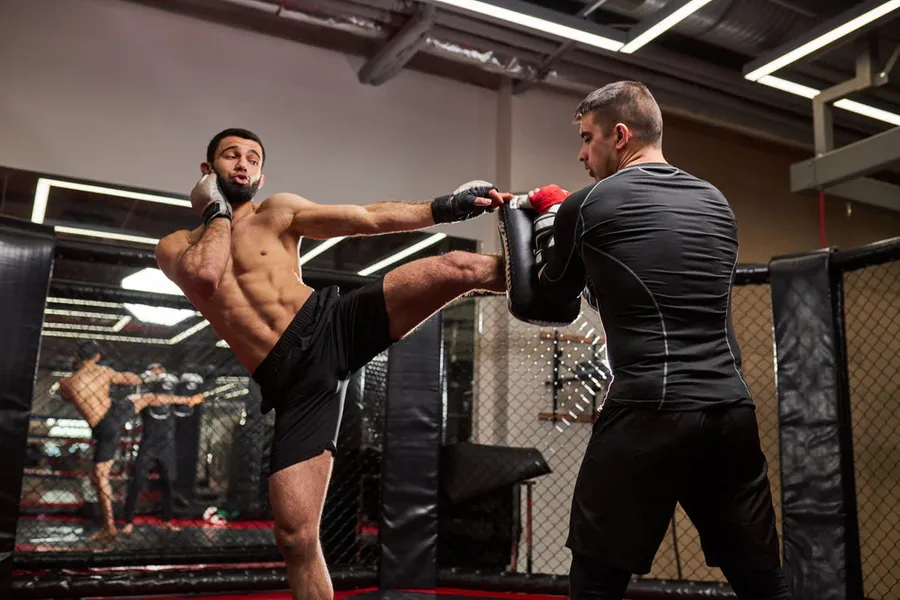
Quick Start Summary for Safe MMA Training
You don’t need prior experience or elite fitness to begin. Focus on finding a supportive gym, getting basic protective gear, warming up every session, and progressing slowly. Most beginners see noticeable improvements in fitness, coordination, and confidence within the first 4–8 weeks when they train consistently 2–3 times per week.
Quick Answer: Is MMA Safe for Beginners?
Yes — when approached intelligently. Recreational MMA has an overall injury rate of about 1.4 injuries per 1,000 hours of training, which is manageable compared to many contact sports. The key is starting at a good gym, using proper gear, warming up thoroughly, focusing on technique rather than power, and listening to your body. Most new students train 2–3 times per week without major issues.
Why Start MMA Training? Benefits Beyond Fighting
Mixed martial arts combines striking, grappling, wrestling, and conditioning into one complete workout. Beginners often report rapid improvements in cardiovascular fitness, strength, coordination, and mental toughness. Many people start purely for fitness or self-defense and end up falling in love with the challenge and community.
Beyond physical gains, training teaches discipline and resilience. You learn to stay calm under pressure, which carries over into daily life. If you’re also interested in building better mental health through physical activity, MMA offers a powerful outlet for stress relief.
How to Find a Good MMA Gym for Beginners
Look for gyms that offer dedicated beginner classes or introductory programs. A welcoming atmosphere where coaches correct form patiently and sparring is controlled makes all the difference. Visit a few places, watch a class, and talk to current students. Good gyms emphasize safety, technique, and gradual progression rather than throwing everyone into full-contact work immediately.
If you enjoy structured learning, many facilities combine MMA with standalone classes in boxing, Muay Thai, or Brazilian Jiu-Jitsu. This builds a stronger foundation before mixing everything together.
Essential Gear for Safe Beginner MMA Training
Quality gear protects you and your training partners. Here’s a practical starter list:
| Item | Why It Matters | Beginner Tip |
|---|---|---|
| 16oz Boxing Gloves | Hand and wrist protection during bag work and light sparring | Start with reputable brands; avoid cheap ones that break down fast |
| 4oz MMA Gloves | Allow grappling while still offering some protection | Use only when your coach says you’re ready |
| Hand Wraps + Mouthguard | Extra wrist support and dental protection | Boil-and-bite mouthguards work well for beginners |
| Shin Guards | Protect shins and insteps during kicks | Choose ones with good coverage and secure straps |
| Groin Protector + Rash Guard | Essential for safety and hygiene | Rash guards help prevent mat burns and skin infections |
Expect to spend roughly $150–300 on solid starter equipment. Many gyms sell basic kits or have recommendations. Avoid baggy basketball shorts with pockets — they can catch fingers during grappling.
Proper Warm-Up Routine Every Beginner Should Do
Never skip the warm-up. A good 10–15 minute routine increases blood flow, improves mobility, and significantly lowers injury risk. Start with light jogging or jumping jacks, then move to arm circles, leg swings, hip openers, and dynamic stretches. Finish with 2–3 minutes of shadowboxing to get your specific MMA muscles ready.
Many beginners who get injured early on skipped this step or rushed through it. Taking time to prepare your body pays off in every session.
What Your First MMA Classes Will Look Like
Expect a mix of technique drills, conditioning, and light sparring once you’re comfortable. Coaches usually start with stance, footwork, basic punches, and defensive movements. Grappling introductions often come through positional drills rather than full rolls at the beginning. Stay humble, ask questions, and focus on learning rather than performing.
Fundamental Techniques Beginners Should Focus On
- Strong fighting stance with hands up and weight balanced
- Basic footwork — stepping instead of crossing feet
- Jab, cross, and simple kicks (front kick, roundhouse)
- Basic takedown defense and simple clinch work
- Ground positions like guard and side control (learn escapes early)
Quality over quantity. Drilling these slowly with good form builds a foundation that lasts. If you enjoy solo practice, check out strength training at home to support your progress.
Common Beginner Mistakes and How to Avoid Them
Many new students train too intensely too soon, leading to burnout or minor injuries. Others neglect recovery or try to look tough instead of learning proper technique. Communicate openly with coaches about any pain (beyond normal muscle fatigue). Focus on consistency rather than intensity in the early months.
If you’re balancing training with studies or work, good time management helps you stay consistent without overdoing it.
Injury Prevention and Smart Recovery Strategies
Listen to your body, prioritize sleep, eat enough protein and vegetables, and stay hydrated. Include mobility work and light stretching on rest days. Most minor issues (sore joints, small bruises) resolve with rest and proper technique. Serious injuries are far less common in well-managed beginner programs.
How to Progress Safely and Stay Motivated Long-Term
Track small wins — better stamina, cleaner technique, or simply showing up regularly. After the first couple of months, you can gradually increase intensity and add more sparring under coach supervision. Many beginners also benefit from complementary training like building stamina or improving overall fitness.
FAQs About Starting MMA Training Safely
Do I need to be fit before starting MMA?
No. A good program will help you build fitness as you learn. Just be honest with coaches about your current level.
How long until I feel comfortable in class?
Most beginners start feeling more confident after 4–8 weeks of regular training.
Is it normal to feel sore after MMA sessions?
Yes — especially in the beginning. Distinguish between normal muscle soreness and joint pain that needs attention.
Can women start MMA training safely?
Absolutely. Many gyms have welcoming environments and female coaches or classes.
Final Thoughts: Your Safe MMA Journey Starts Today
Starting MMA training can be one of the most rewarding decisions you make for your body and mind. Take it step by step, choose a supportive gym, invest in basic gear, warm up properly, and stay patient with your progress. The skills, fitness, and confidence you gain will extend far beyond the mat.
If you’re also exploring other ways to stay active, consider checking out home workout plans or general fitness tips to complement your training.
Data Sources & Additional Reading
Information drawn from coaching resources, injury studies on recreational MMA (average ~1.4 injuries per 1,000 training hours), and practical advice from experienced gyms. Always consult your coach for personalized guidance.
For more combat sports content, explore our combat sports section or related guides like benefits of martial arts for self-defense.