
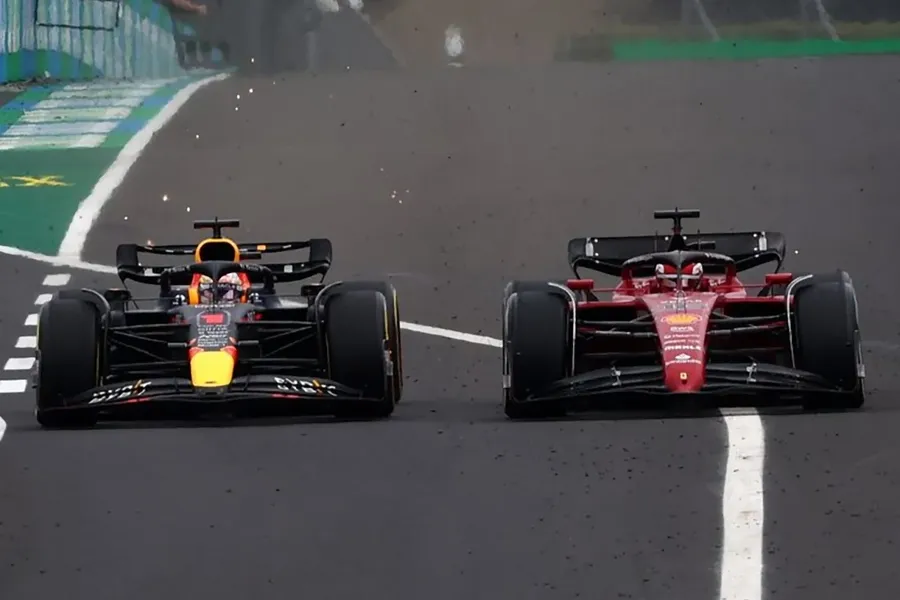
What is DRS and Why Does It Matter?
DRS (Drag Reduction System) is one of the most visible and exciting technologies in modern Formula 1. It allows the rear wing flap to open on straights, reducing drag so the following car can gain extra speed and attempt an overtake.
Quick Answer: How F1 DRS Works
DRS opens a flap on the rear wing to reduce aerodynamic drag on straights. Drivers can only activate it in specific DRS zones when they are within 1 second of the car ahead. It typically adds 10-12 km/h of top speed, making overtaking much easier.
How the Drag Reduction System Works
The rear wing creates downforce for cornering stability but also creates drag that slows the car on straights. DRS solves this by allowing the upper flap of the rear wing to lift up by around 50-85mm (depending on the circuit). This dramatically reduces drag while slightly reducing downforce.
When and Where Drivers Can Use DRS
- Only in designated DRS activation zones (usually on long straights)
- Only when within 1 second of the car ahead at the detection point
- Must be closed before heavy braking zones for safety
- Cannot be used in the first two laps of a race or after a safety car restart (in most cases)
Rear Wing Mechanics Explained
Modern F1 rear wings are complex. When DRS is activated, a hydraulic or electric actuator lifts the top flap. This changes the wing's angle of attack, allowing air to flow more freely and reducing the pressure difference that creates drag.
How DRS Changed F1 Racing
Since its introduction in 2011, DRS has made overtaking significantly easier on many circuits. It adds excitement for fans while giving drivers a strategic tool. However, it is carefully regulated so it doesn't remove all skill from passing.
Current DRS Rules in 2026
The core principles remain the same, but exact zone lengths and activation conditions can change slightly each season based on circuit layout and safety considerations. Teams and drivers must adapt their strategy around these zones every race weekend.
FAQs – Formula 1 DRS
What does DRS stand for?
Drag Reduction System.
How much speed does DRS give?
Typically 10-12 km/h extra top speed on straights.
Can drivers use DRS anywhere?
No. Only in specific DRS zones and when within 1 second of the car ahead.
Is DRS used in every race?
Yes, but the number and length of zones vary by circuit.
Does DRS reduce downforce?
Yes, which is why drivers must close it before corners.
Conclusion – DRS in Modern F1
DRS is a clever engineering solution that balances safety, overtaking, and entertainment in Formula 1. While some purists debate its role, it remains one of the most visible and effective tools for creating exciting racing moments on straights around the world.
Related Motorsport Resources
For more on motorsport and racing technology, explore our full motorsport section.
Data Sources & Notes
Information based on official FIA Formula 1 regulations and technical explanations current as of 2026. Exact flap opening distances and zone lengths can vary slightly by circuit.
For more motorsport content, visit our motorsport section.