
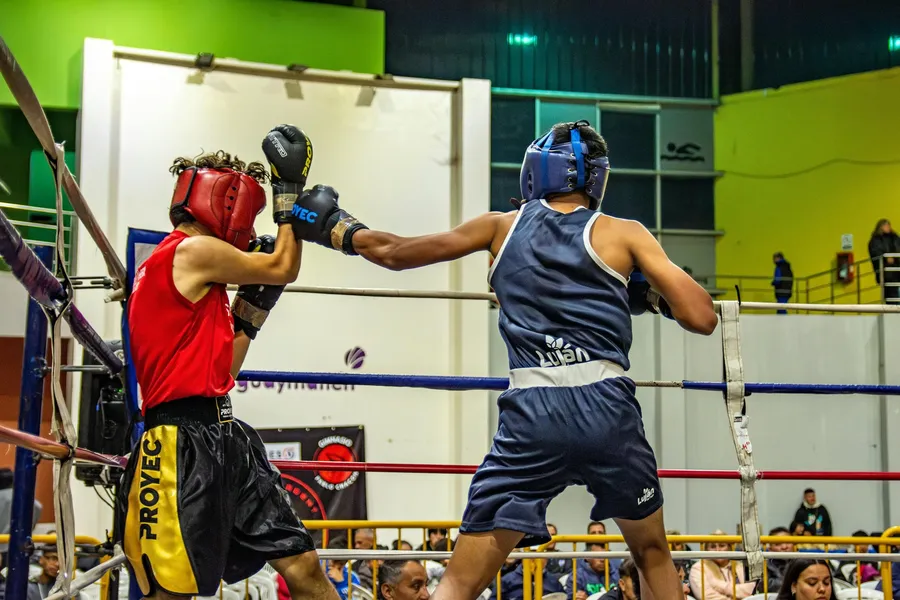
Yes, You Can Start Boxing with Zero Experience
Thousands of people begin amateur boxing every year with no prior fighting background. The key is starting slow, focusing on proper technique, building fitness gradually, and training under qualified coaching. Safety and consistency will get you further than raw aggression.
Quick Answer: How to Start Training for Amateur Boxing
Begin with 3 sessions per week focusing on stance, footwork, and basic punches (jab, cross, hook, uppercut). Combine shadow boxing, light bag work, skipping, and bodyweight strength exercises. Find a reputable amateur boxing gym or coach. Prioritize technique and conditioning before any sparring. Most beginners see good progress in 8-12 weeks with consistent effort.
Boxing Basics Every Absolute Beginner Must Learn First
Before throwing hard punches, master these fundamentals. Bad habits formed early are hard to fix later.
- Stance — Feet shoulder-width apart, dominant hand back, knees slightly bent, hands up protecting chin.
- Footwork — Small, quick steps. Never cross your feet. Practice moving forward, backward, and side to side.
- Basic Punches — Jab (lead hand, straight), Cross (rear hand, straight), Hook (circular), Uppercut (upward).
- Defense — Slip, roll, block, and parry. Good defense keeps you safer and sets up counter punches.
Spend the first 4-6 weeks drilling these movements slowly with perfect form before increasing speed or power.
Building the Right Fitness Foundation for Amateur Boxing
Boxing demands a mix of cardio, strength, power, and muscular endurance. You don’t need to be super fit on day one — the training itself will build it.
| Fitness Component | Why It Matters | Beginner Exercise |
|---|---|---|
| Cardio Endurance | Last full rounds without gassing | Jump rope, running, shadow boxing |
| Strength & Power | Punch harder and take hits better | Push-ups, squats, planks, medicine ball work |
| Core Stability | Better rotation and balance | Planks, Russian twists, hanging leg raises |
Essential Equipment for Beginner Amateur Boxers
Good gear protects you and helps you learn correctly. Start with these basics:
- 12-16 oz training gloves (heavier gloves are more forgiving on wrists)
- Hand wraps (180-200 inch length)
- Mouthguard (boil-and-bite or custom)
- Headgear (for when you start light sparring)
- Groin protector
- Jump rope and comfortable training shoes
Buy from reputable brands and get fitted properly at a boxing store if possible.
Simple 8-Week Beginner Amateur Boxing Training Plan
Train 3 days per week with at least one rest day between sessions. Each session should last 45-60 minutes.
| Week | Focus | Sample Session Structure |
|---|---|---|
| 1-2 | Technique & Conditioning | Warm-up + stance/footwork drills + basic punches + shadow boxing + core work |
| 3-4 | Adding Bag Work | Technique review + light heavy bag rounds + jump rope + strength exercises |
| 5-8 | Building Endurance | Longer shadow boxing + bag combinations + light sparring drills (with coach) + conditioning |
Always warm up properly and cool down with stretching. Listen to your body and rest if something hurts (beyond normal muscle soreness).
Safety Tips and Common Beginner Mistakes to Avoid
- Find a reputable amateur boxing gym with experienced coaches who prioritize safety.
- Never spar until your coach says you’re ready — technique comes first.
- Wrap your hands correctly every single session to protect wrists and knuckles.
- Stay hydrated and eat enough protein and carbs to support recovery.
- Focus on defense and movement early — reckless attacking leads to bad habits.
FAQs – Training for Amateur Boxing as a Beginner
Can a complete beginner start amateur boxing?
Yes. Many current amateurs started with no experience. Good coaching makes all the difference.
How many times a week should beginners train?
3 sessions per week is ideal for most absolute beginners.
What equipment do I need to start?
Gloves, hand wraps, mouthguard, and proper shoes. Headgear comes later when you begin sparring.
How long until I see progress?
You’ll feel fitter and more coordinated within 4-8 weeks. Real boxing skills take 3-6 months of consistent training.
Is amateur boxing safe?
Yes, when done with proper coaching, technique focus, and protective equipment. It’s much safer than street fighting.
Conclusion – Your Amateur Boxing Journey Starts Now
Amateur boxing is one of the best ways to build fitness, discipline, confidence, and self-defense skills. Start slow, focus on fundamentals, find good coaching, and stay consistent. The journey from nervous beginner to confident amateur fighter is incredibly rewarding.
Lace up your gloves, show up regularly, and enjoy the process. You’ve got this.
Related Combat Sports Resources
Complement your boxing training with strength training for beginners or explore how UFC fights are scored to understand different combat sports rules.
Data Sources & Notes
Training recommendations based on standard amateur boxing coaching practices used by USA Boxing, England Boxing, and similar federations (updated 2026). Always train under qualified supervision and consult a doctor before beginning any new intense training program, especially combat sports.
For more combat sports content, visit our combat sports section.