
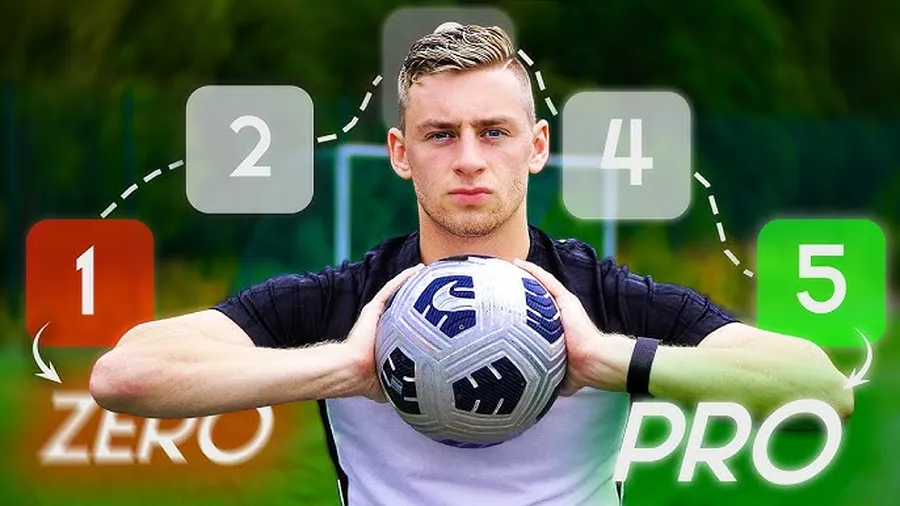
Quick Answer: Path to Becoming a Pro Footballer
Start young, train consistently 5–6 days a week with technical drills, fitness and tactical understanding. Join a good academy or club team, attend as many trials as possible, maintain top physical condition, eat properly, develop mental toughness, and get noticed by scouts. Only about 0.5–1% of serious youth players reach professional level – talent plus extreme dedication is required.
Quick Answer: How to Become a Professional Football Player
The path is tough but clear: train hard every day, master technical skills, build elite fitness, join structured teams or academies, attend trials, stay disciplined with nutrition and recovery, and develop unbreakable mentality. Most pros were spotted between ages 8–16. Success demands talent, relentless work and a bit of luck.
Why Starting Young Gives You the Best Chance
Most professional players join academies before age 12. Early development helps build proper technique and game understanding before bad habits form. However, late developers can still succeed if they train smarter and harder.
Daily Training Routine Aspiring Pros Follow
Top prospects train 5–6 days a week. A typical day includes technical drills (passing, dribbling, shooting), fitness work, tactical understanding and small-sided games. Combine this with your beginner daily plan and gradually increase intensity.
Mastering the Technical Skills Scouts Look For
Focus heavily on first touch, passing accuracy, dribbling under pressure, shooting and ball control. Work on both feet. Use drills from our guides on passing accuracy and dribbling skills.
Building the Physical Fitness Needed at Pro Level
Professional players have elite speed, endurance, strength and agility. Incorporate the best exercises for football fitness – sprint work, HIIT, strength training and agility drills. Aim to improve your 30m sprint time and ability to repeat high-intensity efforts.
Trials, Academies and Getting Scouted
Join a local club with good coaching. Attend open trials and showcase events. Scouts look for technical ability, tactical awareness, physical attributes and attitude. Record videos of your best performances and send them to academies when appropriate.
Nutrition and Recovery for Serious Players
Eat balanced meals with plenty of protein, complex carbs and vegetables. Stay hydrated and get 8–9 hours of sleep. Proper recovery is as important as training itself.
The Mental Side – Discipline and Resilience
Pros handle rejection, criticism and competition daily. Develop a growth mindset, stay humble, learn from every session and never give up after setbacks. Mental strength often separates those who make it from those who don’t.
Common Routes to Becoming a Professional Footballer
- Club academy pathway (most common)
- Open trials and showcases
- Playing for strong grassroots or semi-pro teams
- University scholarship routes in some countries
- Late bloomer success through hard work and opportunity
Realistic Chances and What to Expect
Only a tiny percentage (around 0.5–1%) of players who dream of going pro actually make it. Be prepared for rejection and have a backup plan (education or another career). Many who don’t reach the top still enjoy successful semi-pro or coaching careers.
FAQs – Becoming a Professional Football Player
At what age do most players get signed?
Most academy contracts are offered between 8 and 16 years old, with key decisions often made around 14–18.
Do I need to be tall or very fast?
Not necessarily. Different positions require different attributes, but technical skill and football intelligence matter more than physical size alone.
Is it too late if I’m already 16 or older?
It’s harder but not impossible. Some players break through later through non-league routes or exceptional talent.
Conclusion: Your Journey to Professional Football Starts Today
Becoming a professional football player is extremely challenging but possible with the right combination of talent, hard work, smart training and opportunity. Start building good habits now, train consistently, seek quality coaching, and stay resilient through the ups and downs.
Use the daily training ideas from our beginner daily plan, build fitness with football fitness exercises, and sharpen your skills with guides on passing and dribbling. The journey is long – enjoy every step.
Data Sources & Further Reading
Advice based on insights from professional academies, player development research, scouting reports and real stories of players who made it to the professional level.