
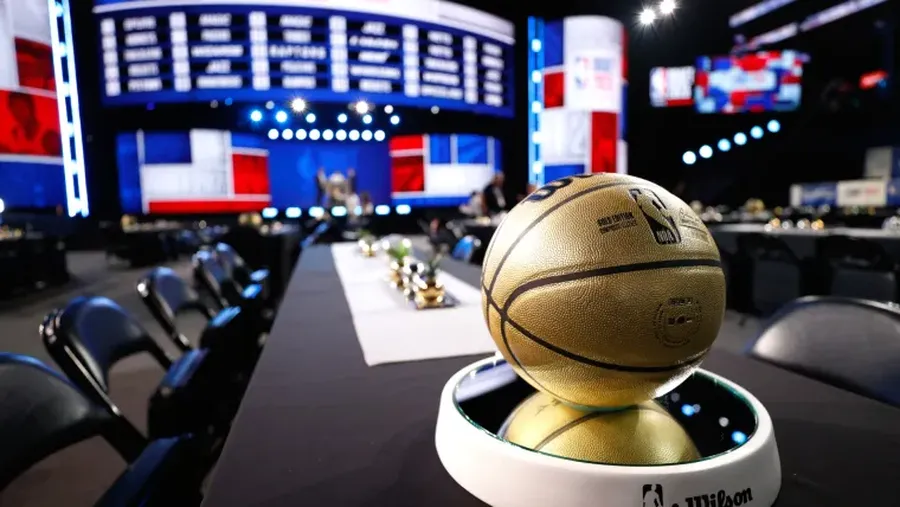
The Purpose Behind the Draft Lottery
Professional basketball leagues like the NBA use a draft lottery to give worse-performing teams a better chance at selecting top young talent. Without it, the richest or best-run teams would dominate year after year. The lottery adds excitement and fairness while trying to discourage intentional losing (tanking).
Quick Answer: How the NBA Draft Lottery Works
The 14 non-playoff teams enter a weighted lottery. Fourteen ping-pong balls numbered 1-14 are drawn to create 1,000 possible combinations. The worst team has 140 combinations (14% chance) at the No. 1 pick. The first four picks are decided by lottery; the rest follow reverse order of standings. This system was updated in 2019 to reduce tanking incentives.
Draft Lottery Basics – Why It Exists
In a pure reverse-order draft, the worst team always picks first. The lottery introduces randomness so that even the absolute worst team isn't guaranteed the top pick. This keeps every non-playoff team engaged until the end of the season and makes the draft more unpredictable and exciting for fans.
Understanding the Lottery Odds and Combinations
The odds are carefully weighted based on regular-season record. Here's how the chances for the No. 1 pick look in the current system:
| Team Position (Worst to Best) | Chance at No. 1 Pick |
|---|---|
| 1st (Worst record) | 14.0% |
| 2nd | 13.0% |
| 3rd | 12.0% |
| 4th | 10.5% |
| ... down to 14th | 0.5% |
The Actual Drawing Process Step by Step
- 14 ping-pong balls numbered 1-14 are placed in a machine.
- Four balls are drawn one by one without replacement.
- The resulting 4-digit combination determines which team gets the pick (pre-assigned combinations for each team).
- This process repeats for the second, third, and fourth picks.
- The remaining teams are slotted in reverse order of their standings.
The entire process is done live in front of representatives from each team and is broadcast to ensure transparency.
Major Changes to the Draft Lottery Over Time
The system has evolved to fight tanking. Before 2019, the worst team had a 25% chance at No. 1. The 2019 reform flattened the odds slightly so even the worst team has only 14% chance, and the gap between the bottom teams is smaller. This encourages teams to compete harder even when out of playoff contention.
How Other Professional Basketball Leagues Handle Drafts
The WNBA uses a similar weighted lottery. Many international leagues use straight reverse standings or performance-based allocation without a lottery. The goal across all systems is the same: distribute young talent fairly to maintain competitive balance.
FAQs – Professional Basketball Draft Lottery
Can the worst team still get the No. 1 pick?
Yes, but only with 14% probability. They are more likely to pick somewhere in the top 5.
Why use ping-pong balls instead of a computer?
The physical drawing adds transparency and drama, and is done in front of witnesses to prevent any perception of rigging.
Has a team ever won the lottery multiple years in a row?
Yes, though it's rare. The system allows it but the odds make consecutive top picks difficult.
Does the lottery apply to all draft picks?
No. Only the first four picks are determined by lottery. Picks 5-14 (and beyond) are assigned strictly by reverse standings.
Do players have any say in where they are drafted?
No. Once a player declares for the draft, teams select them based on their needs and scouting. Players can only influence teams through pre-draft workouts and interviews.
Conclusion – The Lottery's Role in Modern Basketball
The draft lottery is a clever compromise. It rewards poor performance without guaranteeing the best talent, keeps fans engaged during the final weeks of the season, and tries to limit deliberate tanking. While not perfect, it has helped maintain competitive balance in professional basketball for decades.
Understanding how the system works makes watching the lottery — and the subsequent draft — much more interesting and strategic.
Related Indoor Sports Resources
For more on indoor sports, visit our indoor sports category.
Data Sources & Notes
Information based on official NBA rules and lottery procedures as of the 2025-26 season (2026 draft). Odds and processes are subject to future collective bargaining changes between the NBA and players' association.
For more sports content, visit our sports section.