
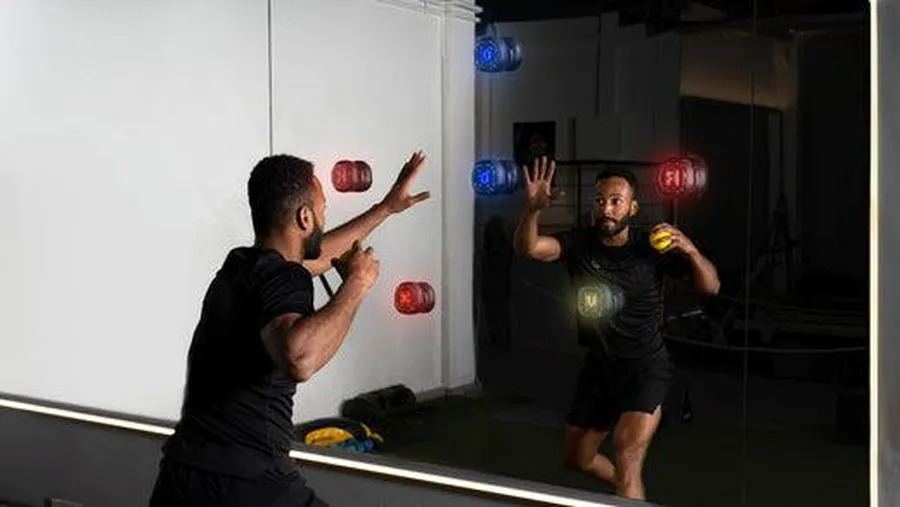
Quick Answer: Improving Reaction Time in Indoor Sports
Reaction time in indoor sports can be improved by 15-30% with consistent training. Use reaction ball drills, shadow practice, visual tracking exercises, agility ladder work, and partner drop drills. Train 20-30 minutes daily, 5 days a week. Combine physical drills with mental anticipation practice. Most people see noticeable improvements in 4-6 weeks and significant gains in 8 weeks.
Quick Answer: How to Improve Reaction Time in Indoor Sports
Focus on three areas: physical movement (agility ladder, shadow swings), visual tracking (ball drop drills, wall rallies), and mental anticipation (predicting opponent shots). Train 20-30 minutes daily. Research shows dedicated reaction training can cut response time by 15-30% within 4-8 weeks. Combine with good sleep and nutrition for best results.
Why Reaction Time Is Critical in Indoor Sports
In fast-paced indoor sports like table tennis and badminton, rallies often last less than a second per shot. A 50ms faster reaction can mean the difference between winning and losing the point. Chess relies on quick pattern recognition and calculation speed. Better reaction time leads to more consistent performance, fewer errors under pressure, and greater enjoyment of the game.
The Science Behind Reaction Time Improvement
Reaction time consists of sensory processing, decision making, and motor response. Studies show that specific training improves neural pathways, making responses faster and more automatic. Elite athletes in table tennis often react in 150-200 milliseconds, while beginners start at 300-400ms. With consistent practice, most people can reduce their time by 50-100ms.
Effective Physical Drills You Can Do at Home
- Reaction Ball Drills – Bounce an irregular ball and catch it quickly (great for unpredictability).
- Shadow Practice – Mimic strokes with fast footwork changes.
- Agility Ladder or Tape Drills – Improve foot speed and coordination.
- Partner Drop Drills – Have someone drop a ball or shuttle for you to react to.
Visual and Cognitive Training Techniques
Train your eyes to track fast-moving objects using wall rallies or apps that flash colors/numbers. Practice anticipation by watching videos of professional matches and predicting shots. These mental drills are especially useful for chess and the tactical side of table tennis and badminton.
Sport-Specific Reaction Training
For table tennis and badminton: focus on short, explosive movements and quick direction changes. For chess: train calculation speed and pattern recognition. Combine physical drills with sport-specific movements for the best transfer of skills.
Simple Weekly Training Plan for Better Reaction Time
| Day | Focus | Duration |
|---|---|---|
| Mon / Wed / Fri | Physical Reaction Drills + Footwork | 25-35 min |
| Tue / Thu | Visual Tracking + Sport-Specific | 20-30 min |
| Weekend | Full Session + Light Play | 40 min |
How to Measure and Track Your Progress
Use free phone apps that test reaction time, or simple partner tests (drop a ruler and catch it). Record your average time weekly. Aim for steady improvement of 10-20ms every 2 weeks. Tracking keeps you motivated and shows what is working.
Common Mistakes and How to Avoid Them
- Training only power instead of speed and accuracy
- Skipping warm-up before reaction drills
- Not getting enough rest between sessions
- Focusing only on physical drills and ignoring anticipation
FAQs – Improving Reaction Time in Indoor Sports
How long does it take to improve reaction time?
Most people see measurable gains in 4-6 weeks with consistent daily practice.
Can reaction time be improved at any age?
Yes. While younger athletes improve faster, adults can still make significant gains with proper training.
Is reaction time the same as reflexes?
Reaction time includes sensory processing and decision making, while reflexes are more automatic. Training improves both.
Conclusion: Sharper Reactions Start Today
Improving reaction time in indoor sports is achievable with the right mix of physical drills, visual training, and consistent practice. Follow the weekly plan, track your progress, and stay patient. In just a few weeks you’ll move faster, anticipate better, and enjoy your favorite indoor sports more than ever.
Combine these reaction exercises with sport-specific skill work from our table tennis home guide and badminton rules explained for well-rounded improvement.
Data Sources & Further Reading
Methods based on sports science research on reaction time training and coaching practices used in table tennis, badminton, and other racket sports.