
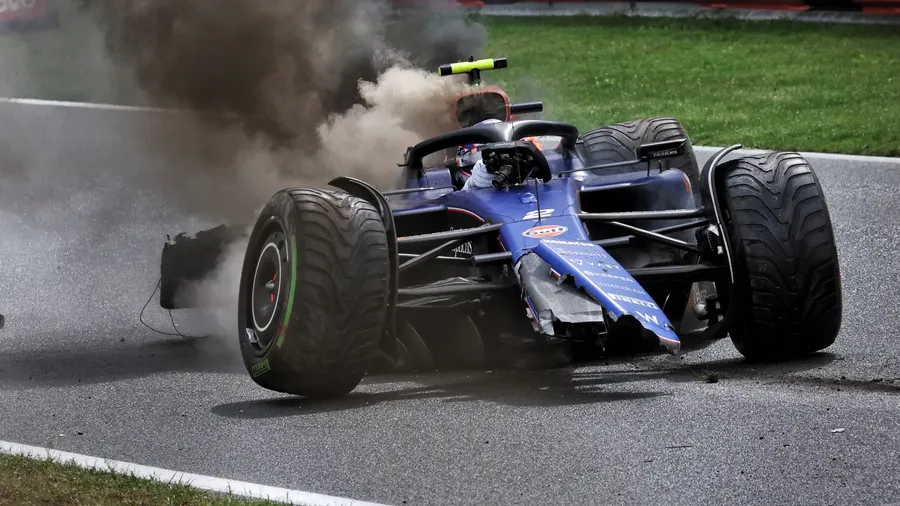
Why Tyre Degradation Decides Races
In Formula 1, raw speed matters — but tyre management often separates podium finishers from the pack. Narrower tyres in 2026, combined with five compounds (C1 to C5), create clearer performance gaps. Teams must balance pace against wear, using telemetry to decide when to pit.
Quick Answer: Tyre Degradation and Pit Strategy in F1 2026
Pirelli supplies five slick compounds (C1 hardest – C5 softest) with narrower tyres (front -25mm, rear -30mm) designed for similar overall degradation to recent seasons but bigger performance steps. Typical lap time loss from degradation ranges 0.1–0.3 seconds per lap depending on compound and conditions. Teams use telemetry on wear, graining and temperature to choose between one-stop or multi-stop strategies, often pouncing on Safety Car or VSC periods for cheaper stops.
2026 Tyre Changes: Narrower Rubber and Five Compounds
For the new era of Formula 1 cars in 2026, Pirelli narrowed front tyres by 25mm and rears by 30mm while keeping 18-inch wheels. The goal was to cut drag and weight to help the more efficient power units, while trying to keep degradation behavior familiar for teams.
Pirelli reduced the range to five compounds (C1 hardest to C5 softest), dropping the ultra-soft C6. At each race they nominate three compounds, creating clearer performance differences. Softer selections encourage more pitstops and tactical variety.
If you're interested in how physical fitness supports drivers through long stints, strength training for endurance can make a real difference under high G-forces.
Understanding Tyre Degradation Types
Degradation is not just rubber disappearing from the tyre. Teams distinguish between several behaviors that affect grip and lap times differently.
- Mechanical wear: Gradual loss of tread rubber through friction with the track.
- Thermal degradation: Overheating causes the tyre to lose its optimal operating window and grip drops.
- Graining: Small ridges form on the surface, often from cold tyres or sliding — common on aggressive out-laps.
- Blistering: Heat builds inside the tyre, causing chunks of rubber to detach.
Left-front tyres often suffer most on circuits with many left-hand corners due to higher loads.
Key Tyre Degradation Parameters and Metrics
Engineers track cumulative degradation (lap time loss from the start of a stint) and progressive degradation (lap-to-lap changes). Typical values in recent seasons show 0.1–0.3 seconds per lap loss on harder compounds over long stints, while softer tyres can lose more quickly but offer higher peak grip.
| Compound | Typical Use | Degradation Behavior |
|---|---|---|
| C1 (Hardest) | Long stints, hot tracks | Lowest degradation, lower peak grip |
| C2 / C3 (Medium) | Balanced strategy | Moderate wear, good all-rounder |
| C4 / C5 (Softest) | Qualifying, short stints | Highest grip, faster degradation |
Telemetry helps teams model expected degradation based on track temperature, fuel load and driving style. A well-managed car can extend a stint significantly compared to one that pushes too hard early.
Building the physical base to handle consistent pace over long runs is key — see our fitness section for practical training ideas.
Pitstop Strategy Fundamentals in 2026
Strategy teams weigh the time lost in the pits against the lap time gain from fresher tyres. A typical green-flag stop costs around 20–25 seconds depending on the circuit, but the decision depends heavily on expected degradation.
One-stop strategies work when degradation is low and harder compounds last long enough. Multi-stop races become likely when softer compounds are nominated or track conditions cause rapid wear.
Safety Car and VSC – The Game Changers
Safety Car or Virtual Safety Car periods dramatically reduce the time penalty for pitting because the whole field slows down. Many race-winning moves happen when a team jumps on a SC or VSC to change tyres cheaply and rejoin in a better position.
- Pit under SC/VSC when it allows you to undercut or cover competitors.
- Watch for “cheap stop” opportunities if your current tyres are already heavily degraded.
- Teams prepare pit crews in advance when a potential incident looks likely.
Red flags allow a free tyre change, which can completely reset strategy.
FAQs – Formula 1 Tyre Degradation and Pitstop Strategy
What are the main causes of tyre degradation in Formula 1?
Mechanical wear, overheating, graining from cold or aggressive driving, and blistering from excessive internal heat.
How do narrower tyres affect degradation in 2026 F1?
Smaller contact patch but Pirelli targeted similar overall degradation characteristics while increasing performance differences between compounds.
What is the difference between graining and blistering?
Graining creates surface ridges from sliding or cold tyres. Blistering involves internal heat damage that causes chunks of rubber to come off.
When is the best time to pit under Safety Car or VSC?
Almost always advantageous — the time loss is much smaller because everyone slows down, allowing a “cheap” tyre change and potential position gain.
How many compounds does Pirelli supply in 2026?
Five slick compounds (C1 to C5). Three are nominated per race weekend to encourage varied strategies.
Conclusion – Tyres Still Shape the Show
Even with major regulation changes in 2026, tyre management remains one of the most fascinating parts of Formula 1. Narrower Pirelli tyres, clearer compound steps and sophisticated telemetry give strategists powerful tools — but the best teams still combine data with experience and quick thinking under pressure.
Whether it’s stretching a stint on hard compounds or capitalising on a timely Safety Car, understanding degradation parameters helps fans appreciate the chess match behind the wheel. For more motorsport insights, explore our motorsport section.
Data Sources & References
Information based on Pirelli official announcements, FIA 2026 technical regulations, team telemetry insights, and race analysis from 2025–2026 seasons. Degradation values are typical observed ranges; actual figures vary by circuit, temperature and car setup. Always check official Pirelli and FIA updates for the latest compound nominations and rules.
For more helpful guides, visit our main categories page.