
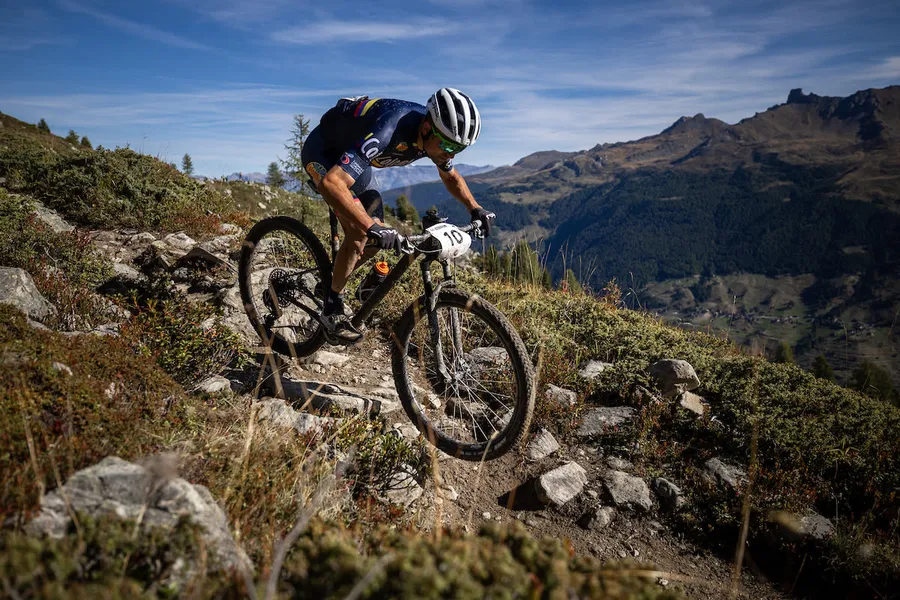
Why Climbing Metrics Matter for Mountain Bikers
Uphill sections often decide races and big rides. Power-to-weight ratio, vertical ascent speed and detailed telemetry data from your bike computer or phone reveal exactly where you can improve. In 2026, affordable power meters and advanced GPS apps make these insights available to everyone.
Quick Answer: Essential Mountain Bike Climbing Metrics
The most important metric for climbing is watts per kilogram (W/kg). Trained mountain bikers typically sustain 2.5–3.5 W/kg on longer efforts. VAM (vertical meters per hour) measures pure climbing speed — 1200–1600 m/h is solid for recreational riders. Trail telemetry from GPS and sensors adds context on gradient, speed, cadence and suspension performance.
Key Climbing Metrics Explained for Mountain Bikers
Mountain bike trails mix steep technical climbs with rolling terrain. Unlike road cycling, you deal with loose surfaces, roots and variable gradients. Metrics like power-to-weight help you understand true performance because raw watts alone don’t tell the full story when weight affects acceleration and gravity.
Modern bike computers and apps such as Strava or TrainingPeaks capture these numbers automatically. Pairing them with heart rate and cadence gives a complete picture of your effort. If you want to build the engine for better climbs, strength training at home can boost your sustainable power.
Watts per Kilogram (W/kg) – The King of Climbing Metrics
W/kg shows how much power you produce relative to your body weight. On gradients above 5–6%, it becomes the dominant factor — lighter riders with decent power can outperform heavier riders with higher absolute watts.
| Rider Level | Typical FTP W/kg | Example (70kg rider) |
|---|---|---|
| Untrained / Beginner | 1.8 – 2.5 | 126 – 175 W |
| Recreational Trained | 2.5 – 3.5 | 175 – 245 W |
| Competitive XC MTB | 3.5 – 4.5 | 245 – 315 W |
| Elite / Pro Level | 5.0+ | 350+ W |
Dropping a few kilograms while keeping power steady can dramatically improve your climbing times. Many riders see big gains from targeted training and sensible nutrition.
For overall fitness that supports long rides and climbs, check our guide on building general fitness.
VAM – Vertical Ascent in Meters per Hour
VAM tells you how fast you’re gaining elevation — vertical meters climbed per hour. It’s especially useful when you don’t have a power meter. A strong club rider might hold 1200–1500 m/h on an 8% gradient, while elite efforts push toward 1800+ m/h.
- 1000 m/h → solid recreational pace on moderate trails
- 1400 m/h → strong performance on sustained climbs
- 1600+ m/h → competitive or pro-level efforts
VAM rises with steeper gradients at the same power output because more of your effort fights gravity directly.
FTP and Power Zones for Mountain Bike Training
Functional Threshold Power (FTP) is roughly the highest power you can sustain for about an hour. It sets training zones and helps pace climbs. Mountain bikers often test FTP on a long steady climb rather than a flat effort.
Typical zones: Zone 2 (endurance) for long rides, Zone 4–5 for hard climb efforts. Tracking these over time shows real fitness gains.
Trail Telemetry – Turning Data into Better Riding
Modern trail telemetry includes GPS elevation, power, heart rate, cadence, speed and even suspension travel data from advanced sensors. Apps like Strava show segment times and leaderboards, while tools like TrainingPeaks break down power curves.
Look at where your power drops on technical sections or if cadence falls too low on steep pitches. Small changes in body position or tire pressure can show up clearly in the numbers. If you enjoy data-driven training, explore more AI-powered training tools.
FAQs – Mountain Bike Climbing Metrics and Trail Telemetry
What is W/kg in mountain bike climbing?
It measures power relative to body weight. Higher W/kg means faster climbing, especially on steep gradients.
What is a good VAM for mountain biking climbs?
1200–1600 m/h is strong for most riders. Elite efforts often exceed 1800 m/h depending on gradient and duration.
How does trail telemetry help mountain bikers?
It provides detailed insights into power, elevation, speed and bike behavior so you can identify weaknesses and track progress.
What is a typical FTP for mountain bikers?
Recreational trained riders often sit at 2.5–3.5 W/kg. Competitive riders target 3.5–4.5+ W/kg.
Does weight matter more than power on steep climbs?
Yes. Above 5–6% gradient, power-to-weight ratio becomes the primary driver of climbing speed.
Conclusion – Use the Numbers to Climb Smarter
Mountain bike climbing in 2026 is all about smart use of data. Focus on improving your W/kg through training and weight management, monitor VAM on key segments, and let trail telemetry guide your pacing and technique. Consistent small improvements add up to noticeably faster and more enjoyable rides.
Ready to level up? Combine these metrics with solid strength work and enjoy the trails even more. For more sports content, visit our sports section.
Data Sources & References
Metrics and benchmarks drawn from TrainingPeaks, Strava data analysis, Cycling Analytics, and peer-reviewed cycling performance studies (updated 2026). VAM calculations follow standard formulas used by TrainingPeaks and popular cycling platforms. Always test your own numbers under consistent conditions for the most accurate personal insights.
For more helpful guides, visit our main categories page.