
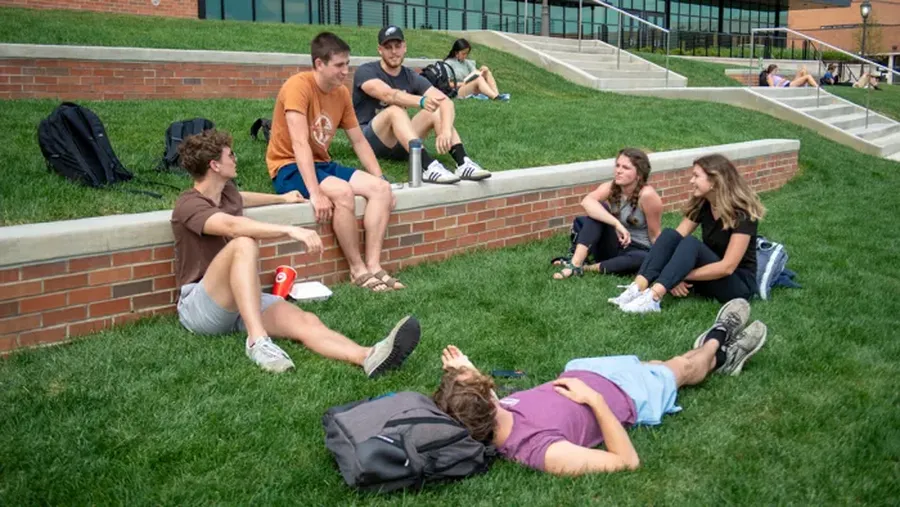
Most Freshmen Feel the Same – You're Not Alone
Almost every new student worries about making friends. Research shows that up to 70% experience some loneliness in the first semester, but those who take small, consistent actions usually form strong friendships within 2-4 weeks. The secret is showing up and being approachable – everyone else is in the same boat.
Quick Answer: How to Make Friends Quickly as a University Freshman
Attend every orientation event and club fair, join 2-3 societies or sports teams that interest you, sit with new people in lectures or at meals, smile and introduce yourself with easy questions like “What are you studying?” or “Where are you from?”, and follow up with small invitations like studying together or grabbing coffee. Being consistent and approachable is the fastest way to turn acquaintances into real friends. Many freshmen make 3-7 close connections in the first month this way.
Why Making Friends Fast Matters in Your First Year
University is exciting but can feel overwhelming. Students who build friendships early report higher satisfaction, better mental health, and stronger academic performance. Good friends provide support during tough assignments, share study tips, and make weekends more enjoyable. On the other hand, prolonged loneliness can lead to homesickness or lower motivation. The good news is that the first few weeks are the easiest time to connect because everyone is new and open to meeting people.
Taking action early sets a positive tone for the rest of your campus life and helps you feel like you truly belong.
Prepare Your Mindset Before You Arrive on Campus
A positive, open attitude makes a big difference. Remind yourself that most freshmen feel nervous too – you're not the only one. Decide to say “yes” to invitations and events even if you feel shy at first. Prepare a few simple questions you can ask anyone: “Have you joined any clubs yet?” or “What's your favorite thing about this university so far?” Small mental preparation reduces anxiety and makes conversations flow more naturally.
Pair this with practical campus preparation like what to pack for university checklist so you feel more confident from day one.
Make the Most of Orientation and the First Weeks
Orientation week is designed for meeting people. Attend as many events as possible – icebreakers, campus tours, and welcome parties. Sit with different groups during meals and don't stick only to your roommate. Exchange numbers or social media with a few people each day. Those casual interactions often turn into study buddies or weekend plans. The energy during freshers' week makes it much easier to start conversations than later in the semester.
Join Clubs and Activities Early – The Fastest Way to Connect
Clubs and societies are where real friendships form. Go to the freshers' fair and sign up for 2-3 groups that genuinely interest you – whether it's sports, music, debate, volunteering, or cultural societies. Regular meetings give you repeated chances to talk to the same people, which builds comfort and deeper bonds. Students who join activities usually make friends faster and feel more integrated than those who only attend classes.
- Choose clubs aligned with your hobbies or values
- Attend the first few meetings even if you feel nervous
- Volunteer for small tasks to become part of the group quicker
If you're unsure where to start, look at how to balance studying and social life in college for ideas on combining academics with social activities.
How to Start Conversations Without Feeling Awkward
Simple, genuine openers work best. Comment on something shared like the lecture, the weather, or the event you're both at. Ask open questions that invite more than yes/no answers: “What made you choose this course?” or “Have you tried any good food places nearby yet?” Listen actively and share a little about yourself too. Most people appreciate someone making the first move. Practice a few times and it gets much easier.
Follow up later with a message like “It was nice chatting in class today – want to grab coffee and compare notes?” Small invitations like this turn acquaintances into friends.
Simple Daily Habits That Help Build Friendships
Sit in different seats in lectures or the library to meet new people. Smile and make eye contact when walking around campus. Eat meals in common areas instead of alone in your room. Offer help when someone looks lost or mention a shared interest. These small, consistent actions create many natural opportunities to connect without forcing anything.
For more campus adjustment tips, see how to survive your first year at university.
Tips if You're Shy or Introverted
You don't need to become extroverted overnight. Start with lower-pressure settings like small study groups or hobby clubs rather than loud parties. Prepare one or two questions in advance so you feel ready. Quality matters more than quantity – many introverts form deeper, long-lasting friendships once they find compatible people. Give yourself permission to recharge alone sometimes while still showing up regularly.
Common Freshman Mistakes to Avoid
Staying only with your roommate or people from your hometown limits opportunities. Waiting for others to approach you instead of taking small initiatives. Spending too much time in your room on your phone. Comparing your social progress to others on social media. Being too picky about who you talk to – friendly people come from all backgrounds.
- Don't isolate yourself in your room
- Avoid negative self-talk about being “bad at making friends”
- Don't force yourself into uncomfortable situations every day
FAQs – Making Friends as a University Freshman
How long does it usually take to make friends in university?
Most freshmen make their first close friends within 2-4 weeks if they actively participate in events and clubs. Deeper friendships develop over the first semester.
Is it normal to feel lonely at the beginning?
Yes – up to 70% of new students feel some loneliness or homesickness initially. It usually improves as you start joining activities and talking to people.
What if I'm really shy?
Start small with low-pressure settings like study groups or hobby clubs. Prepare a couple of questions and remember that many others feel the same way.
Should I join many clubs or just a few?
Start with 2-3 that genuinely interest you. Quality participation builds better friendships than spreading yourself too thin.
How do I keep the friendships going?
Follow up after conversations, suggest small meetups, and be reliable. Shared experiences like group projects or weekend plans strengthen bonds quickly.
Conclusion – Your University Social Life Starts with Small Steps
Making friends quickly as a freshman is less about being the most outgoing person and more about showing up, being approachable, and taking small, consistent actions. Attend events, join clubs that match your interests, start simple conversations, and follow up with invitations. Most students feel nervous at first, but those who take initiative usually build strong, supportive friendships that make university life much more enjoyable and memorable.
You've got this. The first weeks are full of opportunity – go out there and start creating your campus community. For more campus life advice, explore how to manage money as a college student or daily routine for productive university students.
Related Campus Life Articles
Data Sources & References
Insights drawn from university student surveys and studies on freshman social adjustment, common reports of loneliness rates (around 70% in first semester), and practical advice validated by campus counseling centers and student experience research. Examples and timelines reflect typical patterns observed among new university students worldwide.
For more education and campus tips, visit our main education section .