
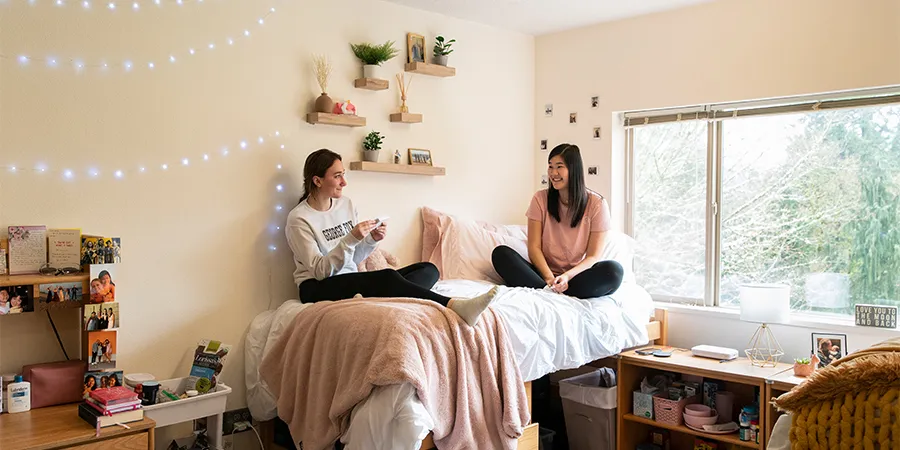
Why Roommate Relationships Matter So Much
Studies show that roommate conflicts are one of the top reasons students feel stressed or request room changes in their first year. Poor roommate situations can affect sleep, concentration, mental health, and even academic performance. On the positive side, good roommate relationships often become some of the strongest friendships and support systems during university.
Quick Answer: Living Peacefully with College Roommates
Talk openly in the first week about expectations (cleaning, noise, visitors, shared items). Create simple written agreements. Respect personal space and belongings. Address small issues early before they grow. Practice empathy and compromise. Most roommate problems are solved through calm, direct conversations rather than avoidance or resentment.
The Critical First Week – Set the Tone Early
The beginning of the semester is the best time to build good habits. Have a friendly but honest conversation about daily routines, study habits, sleep schedules, and preferences for guests or parties. Many successful roommates create a short “roommate agreement” covering basics like cleaning days, quiet hours, and how to handle borrowing items. This small step prevents 70% of common conflicts later.
Pair this with how to stay healthy while living in college dorms for a complete dorm experience.
Communication Strategies That Actually Work
Speak directly but kindly when something bothers you. Use “I feel…” statements instead of accusations. For example, “I feel distracted when music is loud during my study time” works better than “You’re always noisy.” Schedule short weekly check-ins if needed. Listen actively to your roommate’s concerns too – good communication goes both ways and builds trust over time.
Setting Healthy Boundaries and House Rules
Discuss and agree on key areas: quiet hours for sleep and study, rules for guests (especially overnight), sharing food or personal items, and temperature preferences. Write them down so everyone remembers. Respect each other’s belongings and personal space – knocking before entering or asking before using something shows basic courtesy that goes a long way.
Creating a Fair and Realistic Cleaning Schedule
Cleaning disagreements cause the majority of roommate fights. Divide tasks clearly – one person handles the floor, another the bathroom, etc. Create a simple rotating schedule and stick to it. Use a shared checklist or app if needed. Clean as you go rather than letting mess build up. A tidy shared space reduces stress for everyone living there.
Managing Noise, Visitors, and Personal Space
Agree on reasonable quiet hours (many rooms use 11 PM–8 AM). Use headphones for music or videos. Let your roommate know in advance about visitors, especially if they’ll stay late or overnight. Give each other space to study or relax without constant interaction. Small considerations like these make daily living much more pleasant.
How to Resolve Conflicts Calmly and Fairly
Address issues early while they’re still small. Stay calm and focus on solutions rather than blame. If you can’t resolve something between yourselves, involve a neutral resident advisor or housing staff. Most conflicts improve dramatically when both people feel heard and respected. Learning these skills now will help you in future relationships too.
FAQs – Living with Roommates in College
What if my roommate and I are very different?
Differences are normal. Focus on respect and shared rules rather than becoming best friends. Many students with opposite personalities still live together successfully.
How do I deal with a messy roommate?
Bring it up kindly and suggest a fair cleaning plan. Consistency and dividing tasks clearly usually improves the situation.
Is it okay to ask for a room change?
Yes, if serious issues affect your mental health or studies and you’ve already tried talking and involving staff. Most housing offices have processes for this.
Can roommates become good friends?
Many do, but it’s not required. Mutual respect is enough for a peaceful year.
Conclusion – A Peaceful Room Starts with Respect and Communication
Living with roommates is one of the biggest learning experiences in college. By communicating openly, setting clear expectations early, respecting each other’s space and routines, and addressing issues calmly, you can create a positive living environment that supports your studies and wellbeing. Most roommate problems are solvable with patience and goodwill. The skills you develop here – compromise, empathy, and clear communication – will serve you well beyond university.
Combine these tips with how to stay healthy while living in college dorms and daily routine for productive university students for an even smoother experience.
Related Campus Life Articles
Data Sources & References
Tips drawn from common university housing advice, student surveys on roommate conflicts (cleaning and noise being the top issues), and successful strategies shared by students and resident advisors across many campuses. Emphasis is on prevention through early communication and mutual respect.
For more campus life resources, explore our campus life section .