
Quick Answer: Take Better Lecture Notes
Use the Cornell method or a clear outline format, focus on main ideas and key details instead of transcribing everything, develop your own abbreviations, and review notes within 24 hours. Students who actively process information during lectures retain significantly more than passive listeners.
Quick Answer: How to Take Effective Notes During Lectures
Choose a structured system like Cornell or outline, listen actively for main ideas and supporting details, use abbreviations and symbols, focus on understanding rather than copying everything, and review your notes the same day. Consistent use of these habits dramatically improves retention and makes exam preparation much easier.
Why Taking Effective Notes During Lectures Makes a Big Difference
Lectures move quickly and contain far more information than you can remember unaided. Good notes serve as a personal record that captures key concepts, examples, and connections the lecturer emphasizes. Students who take organized, thoughtful notes consistently perform better on exams because they have already begun processing the material during class.
Effective note-taking also keeps you actively engaged, reducing mind-wandering and improving overall understanding.
Cornell Method – One of the Most Effective Note-Taking Systems
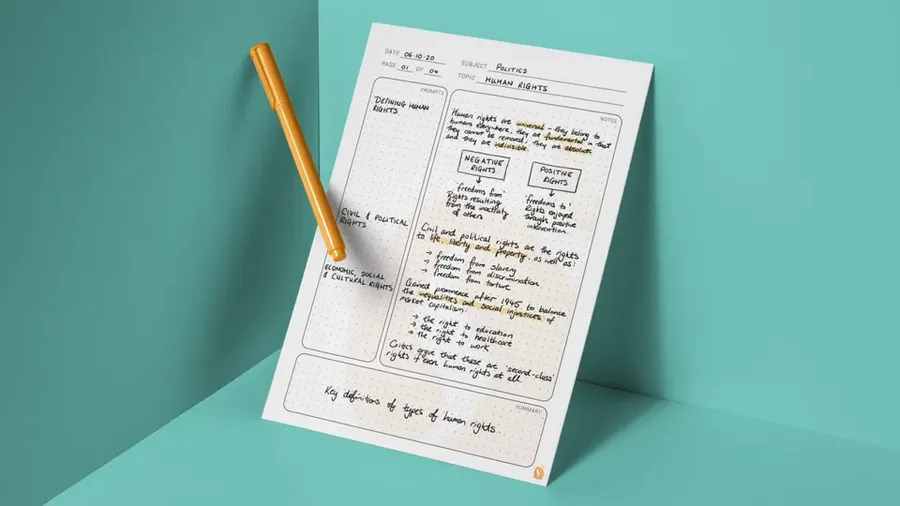
The Cornell method divides your page into three sections: a narrow left column for cues or questions, a wider right area for main notes, and a bottom section for a short summary. During the lecture, write main notes on the right. Later, add questions or keywords on the left and summarize at the bottom. This built-in structure encourages active review and self-testing.
Many high-achieving students credit the Cornell system for helping them organize information clearly and recall it more easily during exams.
Outline Method for Well-Structured Lectures
The outline method uses headings, subheadings, and bullet points to show relationships between ideas. It works especially well when lecturers follow a clear logical structure. Start with main topics as level 1, supporting points as level 2, and details as level 3. Use indentation to show hierarchy.
This format makes it easy to see the big picture and find specific information quickly when reviewing.
Mind Mapping for Visual and Creative Learners
Mind maps start with the central topic in the middle and branch out with related ideas, using keywords, colors, and simple drawings. They are excellent for showing connections between concepts and work particularly well for subjects like biology, history, or literature where relationships matter.
Digital tools like XMind or simple paper work equally well depending on your preference.
Charting Method and Other Useful Approaches
The charting method uses columns to organize information by categories — ideal for comparing theories, historical periods, or processes. Other approaches include the sentence method (writing every new thought as a separate sentence) or a simple bullet-point list for fast-paced lectures.
Experiment with different systems and use what matches your learning style and the lecturer’s delivery.
Digital vs Paper Notes – Choosing What Works Best
Handwriting generally leads to deeper processing and better retention because it forces you to summarize and think. Laptops allow faster typing and easier organization but can tempt mindless transcription. Many students use a hybrid approach: quick notes by hand during class, then organize and expand them digitally later.
For more study tools, see best apps for studying and productivity.
Practical Tips to Take Better Notes in Lectures
- Arrive early and sit where you can see and hear clearly
- Focus on main ideas, definitions, examples, and anything the lecturer repeats or emphasizes
- Develop your own set of abbreviations and symbols
- Leave space to add information later
- Mark questions or confusing parts for follow-up
The Essential Review Process After the Lecture
The real value of notes comes from reviewing them soon after class — ideally within 24 hours. Fill in gaps, clarify points, add summaries, and turn key ideas into questions. This simple habit dramatically improves long-term retention and makes later revision much more efficient.
Common Note-Taking Mistakes to Avoid
- Trying to write down every single word the lecturer says
- Not organizing notes or leaving them messy
- Never reviewing or editing notes after class
- Relying only on slides without adding your own understanding
- Using tiny handwriting or poor layout that’s hard to read later
FAQs – How to Take Effective Notes During Lectures
What is the best way to take notes during lectures?
The Cornell method or a clear outline system works well for most students. Focus on main ideas and key details rather than transcribing everything.
Should I take notes by hand or on a laptop?
Handwriting usually leads to better understanding and retention, but laptops are useful for speed and organization. Many students use both.
How can I keep up with fast-speaking lecturers?
Use abbreviations, focus on main points, and leave space to fill gaps later. Recordings can help review missed details.
How soon after a lecture should I review my notes?
Within 24 hours is ideal. This greatly improves retention and makes your notes much more useful for later study.
What are the most effective note-taking methods?
Cornell, outline, mind mapping, and charting are among the most recommended systems. Choose what matches your learning style.
Conclusion – Turn Lectures Into Powerful Study Tools
Taking effective notes during lectures is a skill that improves with practice. Choose a structured method that works for you, focus on understanding rather than copying, and always review your notes soon after class. Students who master good note-taking habits consistently perform better because they have already begun processing and organizing the material.
Combine these techniques with staying focused during study sessions and effective memorization methods for stronger overall results. Start applying one or two ideas in your next lecture and build from there.
Additional Study Resources
Improve your overall learning with active recall techniques or explore creating effective study timetables.
Data Sources & References
Methods based on educational research on note-taking effectiveness, student performance studies, and widely recommended systems like Cornell (updated 2026). Experiment to find what works best for your subjects and learning style.
For more practical education content, visit our categories page .