
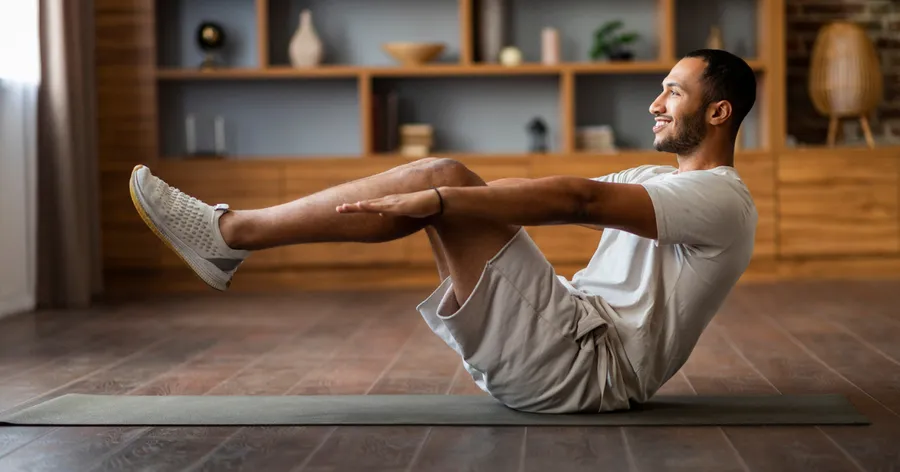
Quick Answer: Staying Fit Without a Gym
Yes, you can stay fit without a gym. Focus on bodyweight exercises (push-ups, squats, planks), aim for 7,000–10,000 steps daily through walking, and train consistently 3–5 times a week for 20–40 minutes. Combine this with balanced eating and good sleep for noticeable results in strength, energy, and body composition.
Why Staying Fit Without a Gym Is Easier Than You Think
Gyms offer machines and classes, but they also come with travel time, crowds, and monthly fees that can add up. Many people discover they move more consistently when workouts fit naturally into their day at home. Surveys show over 50% of adults who exercise regularly do so primarily at home because of convenience. You remove barriers like commuting or waiting for equipment, making it simpler to show up even on busy days.
Research comparing home-based and gym programs finds similar improvements in strength, endurance, and body fat when routines are consistent. The key is using your own bodyweight and turning everyday movement into training. Whether you want to build muscle, lose fat, or just feel stronger for daily life, home fitness delivers real results.
Real Benefits of Training at Home
- Convenience and consistency — No travel means higher adherence rates. One study noted home exercisers often train more frequently than gym members.
- Improved functional strength — Bodyweight moves train movements you use every day, like squatting or pushing, leading to better balance and posture.
- Lower injury risk when done right — You control the pace and can modify exercises easily for any fitness level.
- Cost savings — Skip membership fees and still achieve cardiovascular and strength gains comparable to traditional training.
- Better mental wellbeing — Short home sessions reduce stress and improve mood without the pressure of a public setting.
Studies on virtual and home programs show significant drops in blood pressure, BMI, and waist circumference after just weeks of consistent training. Many people also report feeling more energetic throughout the day.
A Simple Daily Routine to Stay Fit at Home
Start with 5–10 minutes of light movement like marching in place or arm circles to warm up. Then do a short circuit of bodyweight exercises. Finish with a quick walk or stretching. Even 20–30 minutes most days adds up to real changes over time. Pair this with the best warm up exercises before workout at home to protect your joints and perform better.
Best Bodyweight Exercises to Stay Fit Without Equipment
Push-Ups (Chest, Shoulders, Triceps, Core)
Start on your knees if needed. Lower your chest toward the floor, then push back up. Aim for 8–15 reps. This classic move builds upper body strength and core stability.
Squats (Legs and Glutes)
Stand with feet shoulder-width apart. Lower as if sitting back into a chair, then stand. Do 15–20 reps. Squats strengthen your entire lower body and improve daily movement.
Planks (Core and Posture)
Hold a forearm plank position with a straight body. Start with 20–30 seconds and build up. A strong core supports everything from lifting groceries to better posture.
Lunges (Balance and Legs)
Step forward and lower until both knees are bent at 90 degrees, then push back. Alternate legs for 10 reps per side. Lunges improve balance and functional leg strength.
High Knees or Burpees (Cardio and Full Body)
Drive knees up quickly for 30–45 seconds or do full burpees for a heart-pumping challenge. These keep your cardiovascular fitness high without running outside.
Beginner Weekly Plan to Stay Fit at Home
Train 3–4 days per week with rest or light walking in between. Each session: warm up 5 minutes, do 3 rounds of 10–12 push-ups, 15 squats, 30-second plank, 10 lunges per leg, and 45 seconds high knees. Rest 60–90 seconds between exercises. As you get stronger, add repetitions or slow the movements down for more tension. Link this with a weekly workout plan for beginners at home for structured progress.
Home vs Gym Training – Quick Comparison
| Aspect | Home Training | Gym Training |
|---|---|---|
| Convenience | High – train anytime | Lower – requires travel |
| Cost | Free or low | Monthly fees |
| Strength Gains | Excellent with consistency | Slight edge with heavy weights |
| Adherence | Often higher | Varies |
Everyday Habits That Help You Stay Fit
- Walk more — Aim for 7,000–10,000 steps daily. Take calls while walking or park farther away.
- Take movement breaks — Every hour, stand and do 10 squats or stretch for 2 minutes.
- Use stairs instead of elevators when possible.
- Stay consistent with sleep and hydration — These support recovery and energy for training.
Small habits compound. Many people who stay fit long-term combine short strength sessions with plenty of daily movement rather than long gym workouts.
Common Mistakes and How to Avoid Them
Skipping warm-ups can lead to discomfort. Always include light movement first. Doing the same routine forever leads to boredom or plateaus—progress by adding reps or slowing tempo. Ignoring nutrition limits results, so pair training with balanced meals. For more guidance, see how to create a balanced diet plan for beginners.
Nutrition Tips to Support Home Fitness
Focus on protein-rich foods, plenty of vegetables, and controlled portions. Eating enough supports muscle repair and steady energy. Simple changes like preparing healthy meal prep on a budget make it easier to fuel your body without overcomplicating things.
FAQs – Staying Fit Without a Gym
Can you build muscle without a gym?
Yes. Progressive bodyweight training builds noticeable strength and muscle, especially for beginners and intermediate levels.
How many days a week should I train at home?
3–5 days with strength focus plus daily walking works well for most people.
Is home training as effective as the gym?
For general fitness, fat loss, and functional strength, yes—especially when consistency is high.
What if I get bored with home workouts?
Change exercises, add music, or follow free online videos. Variety keeps things fresh.
Final Thoughts
Staying fit without going to the gym is not only possible—it can be more sustainable for many people. Focus on consistency with bodyweight moves, daily steps, and simple habits. Over time you will feel stronger, have more energy, and enjoy the freedom of training on your own schedule.
Start small today. Try the routine above and build from there. For more ideas, explore strength training for beginners at home or how to stay consistent with your workout routine at home.
More Helpful Resources
Check these related guides for deeper support: best warm up exercises before workout at home, best foods for weight loss naturally, and daily habits for mental wellbeing.