
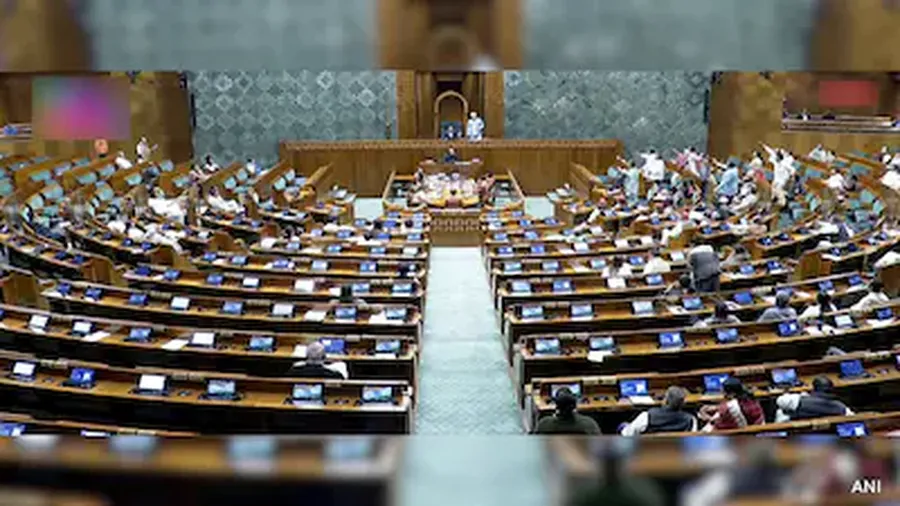
Where Laws Are Born and Scrutinized
Parliament is the heart of democracy’s law-making machinery. It is where ideas become debated, challenged, refined, and ultimately turned into rules that govern society. Without parliament’s rigorous process, laws would lack legitimacy, scrutiny, and broad acceptance.
Quick Answer: Role of Parliament in Law Making Process
Parliament’s primary role is to debate, amend, and pass laws. A typical bill goes through multiple readings: introduction, general debate, detailed committee scrutiny, further amendments, final vote, and approval by the second chamber (in bicameral systems). The process ensures laws are carefully examined, improved, and reflect broader consensus before becoming enforceable.
Overview of the Law-Making Process
Law-making is deliberate and slow by design. This prevents hasty or poorly thought-out legislation that could harm citizens. In most democracies, the process includes several stages to allow thorough debate, expert input, public consultation, and multiple opportunities for revision.
Key Stages of a Bill in Parliament
- First Reading – Formal introduction of the bill (usually no debate).
- Second Reading – Debate on the general principles and purpose of the bill.
- Committee Stage – Detailed line-by-line examination and amendments by a smaller group of MPs.
- Report Stage – Further debate and amendments on the floor of the house.
- Third Reading – Final debate and vote on the bill as amended.
First Reading: Formal Introduction
This is the starting point. A member of parliament or government minister presents the bill’s title and a short summary. No detailed debate occurs at this stage. The bill is then printed and distributed for members to study.
Second Reading: Debate on Core Principles
This is where the real discussion begins. Members debate whether the bill’s overall aims are desirable. If the house votes in favor, the bill moves forward. This stage tests political support and allows opposition parties to voice concerns.
Committee Stage: Line-by-Line Scrutiny
A smaller committee examines the bill clause by clause. Experts, stakeholders, and civil society can sometimes provide evidence. This is where most detailed amendments are proposed and debated. It is often the most technical and important part of the process.
Report Stage and Third Reading
The full house reviews the committee’s work and can make further changes. The third reading is the final chance for debate before the bill is voted on in its current form. If passed, it moves to the other house (in bicameral parliaments) or receives final approval.
Role of the Upper House in Bicameral Systems
In countries with two chambers (e.g., Senate and House of Representatives, or House of Lords and House of Commons), the bill must pass both houses. The upper house often provides a more reflective review and can suggest further improvements or act as a check against hasty legislation.
Final Step: Presidential or Royal Assent
Once both houses agree on the final text, the bill is sent for executive approval. In presidential systems, the president may sign it into law or veto it. In constitutional monarchies, the head of state gives royal assent (usually a formality). After assent, the bill becomes an Act of Parliament and comes into force.
Differences Between Parliamentary and Presidential Systems
In parliamentary systems, the executive (prime minister and cabinet) is drawn from parliament and usually controls the legislative agenda. In presidential systems, the executive is separate, and parliament has more independent power to initiate and amend legislation.
FAQs – Role of Parliament in Law Making Process
Can the public influence law making?
Yes. Through petitions, public consultations, submissions to committees, and contacting their representatives.
How long does it take for a bill to become law?
It varies widely – from a few weeks for urgent bills to several months or even years for complex legislation.
What happens if the two houses disagree?
They usually negotiate through amendments until agreement is reached, or the bill may fail.
Conclusion: Parliament as Guardian of Democratic Law-Making
Parliament’s role in the law-making process is fundamental to democracy. Through structured debate, expert scrutiny, and multiple opportunities for revision, it ensures that laws are not made arbitrarily but reflect careful consideration of different viewpoints and evidence. While the process can be slow and sometimes frustrating, this careful approach protects citizens from poorly designed or rushed legislation and maintains the legitimacy of the legal system.
Related reading: types of government systems explained democracy vs monarchy, roles and responsibilities of a president explained, and importance of good governance in developing countries.
Data Sources & References
Official parliamentary procedure guides from various countries, comparative studies on legislative processes, and academic literature on democratic law-making.