
The Buck Stops Here
The president sits at the top of the executive branch and carries enormous symbolic and practical weight. Whether in a full presidential system or a hybrid one, the role involves wearing many hats – some clearly defined by constitution, others developed through tradition and necessity.
Quick Answer: Roles and Responsibilities of a President
A president leads the executive branch by enforcing laws (chief executive), commands the armed forces (commander in chief), conducts foreign policy (chief diplomat), represents the nation symbolically (head of state), influences legislation through vetoes and proposals, appoints key officials, and issues executive orders. Powers are limited by the legislature and judiciary through veto overrides, budget control, impeachment, and judicial review. In systems like the United States, there are 15 cabinet departments the president oversees.
Core Roles of a President
Presidents do not simply “run the country” alone. They operate within a system of separated powers where their actions are shaped by laws, courts, and elected legislatures. The exact scope varies by country, but common roles appear across most presidential and semi-presidential systems.
Chief Executive: Enforcing Laws and Managing Government
As head of the executive branch, the president is responsible for carrying out laws passed by the legislature. This includes overseeing government agencies, issuing directives (executive orders), and managing the federal bureaucracy. In the US, the president supervises 15 cabinet-level departments and thousands of agencies. Executive orders allow quick action on policy but remain subject to legal and congressional review.
Commander in Chief of the Armed Forces
The president holds ultimate authority over the military, making critical decisions on deployment, strategy, and national defense. While legislatures often hold the power to declare war or control budgets, presidents frequently direct military operations in practice. This role demands balancing security needs with restraint to avoid unnecessary conflicts.
Chief Diplomat and Head of State
The president represents the nation to the world, negotiating treaties, receiving foreign leaders, and shaping foreign policy. As head of state, they also perform ceremonial duties – addressing the public, honoring citizens, and embodying national unity. These symbolic functions help build public trust and international respect.
Legislative Influence: Signing, Vetoing, and Proposing Laws
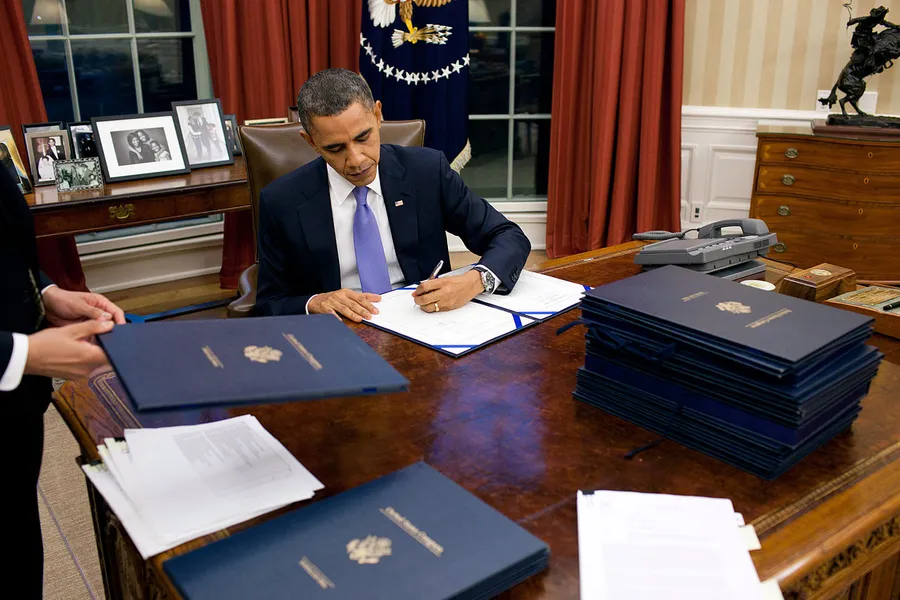
Presidents cannot make laws but play a major part in the process. They can propose legislation, deliver addresses like the State of the Union to outline priorities, sign bills into law, or veto them. Legislatures can often override vetoes with a supermajority. This creates ongoing negotiation between branches.
Other Important Powers and Duties
- Appointing judges, ambassadors, and senior officials (often requiring legislative approval)
- Granting pardons and reprieves for federal offenses
- Calling special sessions of the legislature in emergencies
- Delivering regular reports on the state of the nation
Checks and Balances on Presidential Power
Strong presidents are kept in check by other branches. Legislatures control funding and can impeach for serious misconduct. Courts review actions for constitutionality. These mechanisms prevent any single leader from gaining unchecked authority, though the exact strength of checks varies by country and political culture.
How Roles Differ Across Countries
In full presidential systems like the United States or Brazil, the president is both head of government and head of state with significant independent power. In parliamentary systems, the president (if the role exists) is often ceremonial while a prime minister holds executive authority. Hybrid systems blend elements of both.
FAQs – Roles and Responsibilities of a President
Can a president declare war?
Usually no. Many constitutions reserve declaring war for the legislature, though presidents often direct military actions with varying levels of approval.
What is an executive order?
A directive from the president to manage government operations. It has the force of law but can be challenged in court or overturned by future presidents or legislation.
How is a president removed from office?
Through impeachment by the legislature for serious offenses, followed by a trial and conviction. This process is rare and difficult.
Conclusion: Power with Responsibility
The presidency combines immense authority with significant constraints. A good president balances decisive leadership with respect for institutions, uses power to serve citizens rather than personal interests, and works within the system rather than against it. Understanding these roles helps citizens hold leaders accountable and appreciate why checks and balances matter for stable, fair governance.
Related reading: types of government systems explained democracy vs monarchy, how globalization affects political systems worldwide, and role of diplomacy in preventing international conflicts.
Data Sources & References
United States Constitution (Article II), Freedom House and Economist Intelligence Unit reports on governance, comparative political studies on presidential vs parliamentary systems, and official government resources from various countries.