
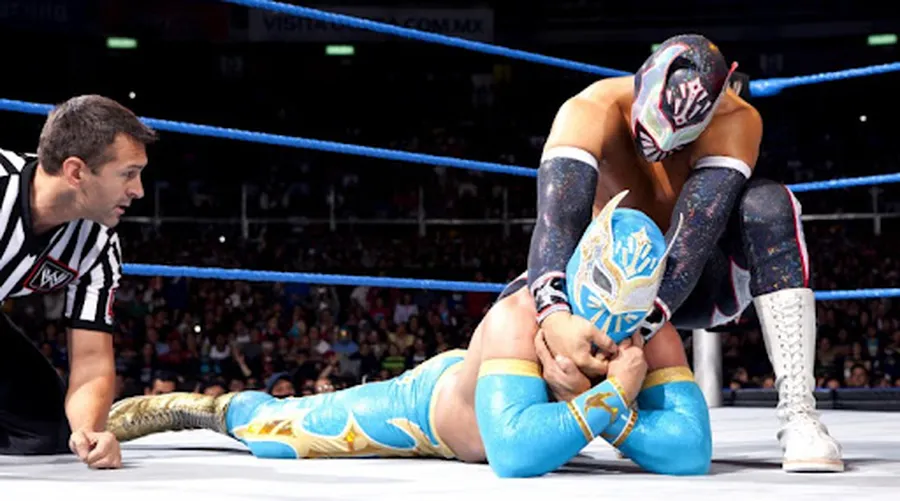
Kayfabe in Simple Terms
Kayfabe is the unwritten rule in professional wrestling that everyone — wrestlers, commentators, referees, and even backstage staff — must act as if the storylines, rivalries, and matches are 100% real. It’s the art of maintaining the illusion to make the entertainment more immersive and believable for the audience.
Quick Answer: What is Kayfabe?
Kayfabe is the code of conduct in professional wrestling where performers stay in their assigned characters at all times to protect the illusion that wrestling is a legitimate sport rather than scripted entertainment. It includes acting as if feuds, alliances, and match outcomes are real, both in the arena and in public life.
What Kayfabe Really Means in Wrestling
At its core, kayfabe is about commitment to the performance. A heel (villain) doesn’t suddenly become friendly with a face (hero) outside the ring. A wrestler who loses a championship match doesn’t congratulate the winner on social media the next day — at least not while fully in character.
The goal is to preserve the magic for the fans. When everyone plays along, the drama feels authentic, and the emotional investment from the audience stays high.
The History and Origins of Kayfabe
The term likely comes from carnival and circus slang in the early 20th century. One popular theory is that it’s a pig Latin version of “be fake.” Wrestlers in the territorial era (1930s–1980s) lived kayfabe almost 24/7 because the business depended on fans believing the fights were real.
Promoters would book wrestlers on the same flights or hotels but make them act like enemies in public. Breaking kayfabe back then could get someone blackballed from the entire industry.
Kayfabe in Modern WWE, AEW, and Sports Entertainment
Today’s wrestling is openly called “sports entertainment,” and social media has made strict kayfabe harder to maintain. Wrestlers often share behind-the-scenes moments or personal lives. However, during shows and major storylines, kayfabe is still carefully protected.
In WWE, the line between character and real life is blurred on purpose (the “Reality Era”), but core rivalries are still treated as genuine. AEW has embraced more meta storytelling while still respecting the importance of character consistency.
Breaking Kayfabe – When the Illusion Is Shattered
Breaking kayfabe happens when someone acknowledges that the outcomes are predetermined or steps out of character. Classic examples include wrestlers hugging after a brutal match or admitting in interviews that everything is scripted.
In the past, this was taboo. Now it happens more often in documentaries, podcasts, or when promoting real-life projects. However, doing it during an active storyline can hurt the emotional payoff for fans.
Why Kayfabe Still Matters in 2026
Even with social media and more transparency, kayfabe remains the foundation that makes wrestling emotionally engaging. When fans suspend disbelief, they cheer louder, boo harder, and care more about the stories. It separates professional wrestling from pure sports or theater.
Smart performers know when to bend kayfabe for marketing and when to protect it to keep the magic alive.
FAQs – Kayfabe in Professional Wrestling
What does kayfabe mean?
It means maintaining the illusion that wrestling storylines and rivalries are real by staying in character at all times.
Where did the word kayfabe come from?
It likely originated from carnival slang in the early 20th century and became standard wrestling insider language.
Do wrestlers still follow kayfabe today?
Yes, especially during shows and active storylines, though social media has made it more flexible than in previous eras.
What happens if a wrestler breaks kayfabe?
It can weaken the current storyline or make fans feel the magic is gone, though it’s more accepted now in certain contexts.
Is kayfabe only for wrestlers?
No. Commentators, referees, and even some backstage personnel traditionally participate to keep the illusion consistent.
Conclusion – The Enduring Power of Kayfabe
Kayfabe is what turns athletic performances and scripted drama into compelling sports entertainment. It invites fans into a shared world where larger-than-life characters clash in epic battles. While the business has become more transparent, the spirit of kayfabe continues to make wrestling unique and addictive.
Next time you watch a show, notice how wrestlers, announcers, and the production team work together to keep the illusion alive — that’s kayfabe in action.
Related Combat Sports Resources
For more on combat sports rules, check our guide on how UFC fights are scored or explore professional boxing weight classes.
Data Sources & Notes
Information drawn from wrestling history books, interviews with veterans, official WWE and AEW documentation, and industry analysis (as of 2026). Kayfabe practices continue to evolve with technology and fan culture while preserving the core entertainment value of professional wrestling.
For more combat sports and wrestling content, visit our combat sports section.