
Quick Answer: Improving Racing Driving Skills as a Beginner
Focus first on smoothness: progressive braking, early throttle application, and hitting the ideal racing line. Practice in karts or on track days. Most beginners can reduce lap times by 1-3 seconds within the first month of consistent, focused practice.
Quick Answer: How to Improve Driving Skills for Racing Beginners
Start with the basics: learn smooth inputs, the correct racing line, and proper braking points. Regular track time combined with targeted drills will bring fast improvement. Many beginners see their lap times drop noticeably after just a few focused sessions.
Core Fundamentals Every Beginner Must Master
Racing driving is about consistency and smoothness, not just speed. The best drivers make every input feel natural. Good seating position, hand placement on the wheel (usually 9 and 3 o’clock), and relaxed shoulders help maintain control during high-speed corners.
Mastering Braking Techniques for Better Lap Times
Late, hard braking is a common beginner mistake. Instead, brake progressively and earlier so you can carry more speed through the corner. Heel-toe downshifting keeps the car balanced and prevents wheel lock-up.
Cornering and Finding the Perfect Racing Line
The ideal racing line usually involves turning in late, clipping the apex (the inside of the corner), and exiting wide to straighten the car for maximum acceleration. This path allows the highest possible speed through the corner.
Throttle Control and Smooth Acceleration
Apply throttle progressively as you exit the corner. Sudden acceleration can cause oversteer or understeer. Learning to modulate the throttle helps maintain traction and exit corners faster.
Improving Vision and Anticipation on Track
Look far ahead, not just at the car in front or the apex. Good drivers scan the track and plan their next move well in advance. This reduces reaction time and improves overall smoothness.
Effective Drills to Improve Driving Skills Fast
| Drill | Focus Area |
|---|---|
| Braking zones | Braking technique |
| Slalom cones | Steering precision |
| Racing line practice | Cornering path |
| Threshold braking | Late braking control |
Mental Preparation and Staying Calm Under Pressure
Racing is 90% mental. Practice visualization, breathing techniques, and reviewing data after every session. Staying calm helps you make better decisions when things get intense.
Tracking Your Progress and Setting Goals
Record your lap times, review onboard video, and note areas for improvement. Set small, achievable goals like improving braking points or reducing mid-corner steering corrections.
FAQs – Improving Driving Skills for Racing Beginners
How often should beginners practice?
At least once or twice a month on track, plus simulator time in between.
Is sim racing helpful for real track improvement?
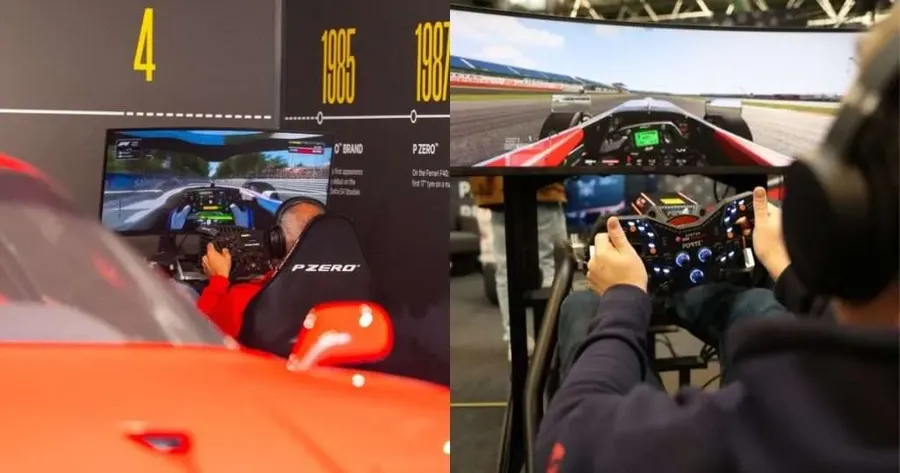
Yes, it builds muscle memory and helps learn tracks without the high cost.
What is the fastest way to improve?
Focus on smoothness first, then gradually increase speed while maintaining control.
Conclusion: Consistent Practice Leads to Real Progress
Improving your driving skills for racing takes time and deliberate practice. Focus on the fundamentals — smooth inputs, correct lines, and good vision — and the speed will follow naturally. Every session on track or in a simulator brings you closer to becoming a confident, competitive racer.
Combine these skills with solid knowledge of car racing rules and regulations and understanding how Formula 1 cars work. For overall fitness and reaction time, check our guide on how to improve reaction time in indoor sports.
Data Sources & References
Techniques and advice based on coaching methods used by professional racing schools and driver development programs.