
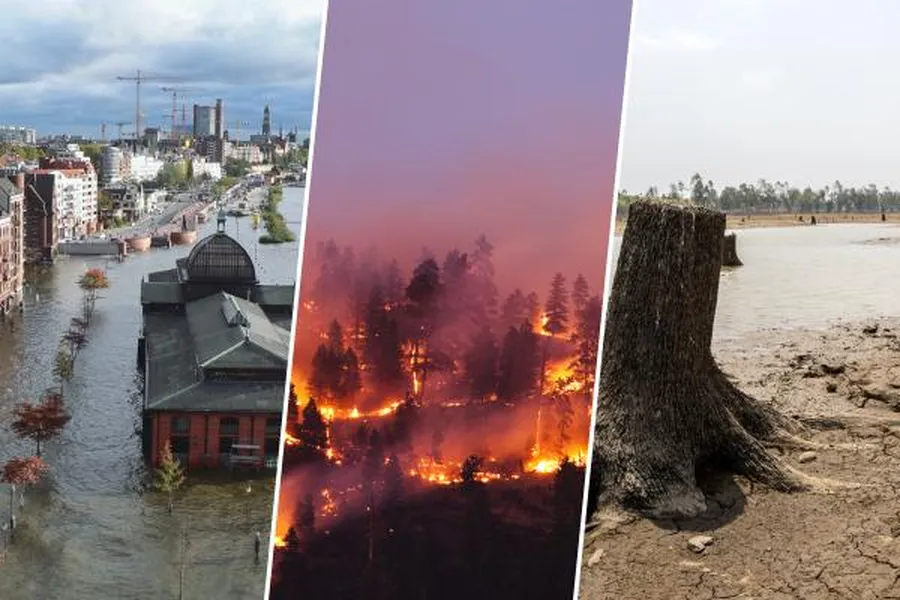
The Big Picture of Climate Change
Climate change is not just warmer weather — it is a fundamental shift in Earth’s systems driven mainly by human activities. Global temperatures have already risen about 1.1°C above pre-industrial levels, and the effects are visible on every continent and ocean.
Quick Answer: How Climate Change Affects the Environment
Human-caused climate change is warming the planet, melting glaciers and polar ice, raising sea levels, intensifying storms and droughts, acidifying oceans, and pushing many species toward extinction. These changes are happening faster than at any time in human history.
Rising Global Temperatures
The Earth’s average surface temperature has increased by approximately 1.1°C since the late 1800s, with most of the warming occurring in the past 40 years. Each of the last eight years has been among the warmest on record. This extra heat is trapped by greenhouse gases like carbon dioxide and methane released from burning fossil fuels, deforestation, and agriculture.
Melting Ice and Rising Sea Levels
Greenland and Antarctic ice sheets are losing ice at an accelerating rate. Sea levels have risen about 20 cm since 1900 and are currently rising at roughly 3.7 mm per year. If current trends continue, many coastal cities could face serious flooding risks by the end of the century. Mountain glaciers that feed major rivers are also shrinking, affecting water supply for millions of people.
Extreme Weather Events
Climate change makes heatwaves, heavy rainfall, droughts, and powerful storms more frequent and intense. For example, the number of extreme heat events has increased dramatically in many regions. Hurricanes and typhoons are carrying more moisture, leading to heavier rainfall and flooding when they make landfall.
Changes in Oceans and Marine Life
Oceans have absorbed over 90% of the extra heat trapped by greenhouse gases. They are also becoming more acidic as they absorb carbon dioxide. Coral reefs, which support about 25% of marine species, have suffered widespread bleaching. Warmer waters are forcing fish populations to move toward the poles, disrupting traditional fishing communities.
Impact on Forests, Wildlife & Biodiversity
Many plant and animal species are struggling to adapt to rapid changes. Forests in some areas are drying out and becoming more prone to wildfires, while others are seeing shifts in tree types. Polar bears, penguins, and many other species face habitat loss. Scientists estimate that up to one million species are currently at risk of extinction due to climate change and other human pressures.
Key Climate Change Facts
| Aspect | Observed Change |
|---|---|
| Global Temperature Rise | ~1.1°C since pre-industrial era |
| Sea Level Rise Rate | 3.7 mm per year (recent decades) |
| Arctic Sea Ice | Declining ~13% per decade |
| Ocean Heat Content | Highest on record |
Effects on Human Societies
Climate change affects food production, water availability, health, and economies. Heatwaves increase deaths among vulnerable groups. Changing rainfall patterns threaten agriculture in many regions. Coastal communities face flooding and erosion. These impacts are felt most strongly in developing countries that have contributed least to the problem.
FAQs – Climate Change and the Global Environment
Is climate change the same as global warming?
Global warming refers specifically to the rise in Earth’s average temperature. Climate change includes this warming plus all the broader changes it causes, such as shifting weather patterns and rising seas.
Can we still stop the worst effects?
Yes — rapid reductions in greenhouse gas emissions can limit further warming and give ecosystems and societies more time to adapt.
What is the biggest single impact right now?
Extreme heat and changing precipitation patterns are already affecting millions of people and natural systems worldwide.
Conclusion – Why Understanding Climate Change Matters
Climate change is transforming our planet in profound ways — from melting ice caps to shifting ecosystems and more extreme weather. The good news is that we already have the knowledge and many of the tools needed to slow it down and build a more resilient future. Every action counts, from individual choices to global cooperation.
To understand the fundamental forces involved, read our guide on simple explanation of gravity and how it works or explore basics of electricity and how it powers homes.
Data Sources & References
Information drawn from IPCC reports, NASA climate data, NOAA observations, and peer-reviewed scientific studies on global environmental changes.