
The Real Picture
A recession is more than just negative GDP numbers. It means falling demand, rising uncertainty, and tough choices for both companies and families. The effects spread quickly and can last longer than official statistics suggest.
Quick Answer: How Economic Recession Affects Businesses and Citizens
Businesses see sales drop sharply, cut staff, delay investments, and many smaller ones close. Citizens face job losses or pay cuts, spend less, feel more anxious, and sometimes struggle with rising costs for basics even as overall prices may fall in some areas. Unemployment can rise several percentage points, and recovery often takes 1–3 years.
What Actually Defines an Economic Recession
Economists usually define a recession as two consecutive quarters of negative GDP growth, but the real experience includes falling industrial production, rising unemployment, shrinking consumer spending, and widespread pessimism. The pain often starts before official announcements and lingers after numbers turn positive.
How Recession Hits Businesses Hard
When customers cut spending, companies watch revenue fall while many costs (rent, salaries, loans) stay fixed. They respond by laying off workers, freezing hiring, reducing inventory, and delaying new projects. Small and medium businesses, which often have less cash reserves, face the highest risk of closure. Larger firms may survive but still see profits collapse and share prices tumble.
How Recession Affects Citizens and Families
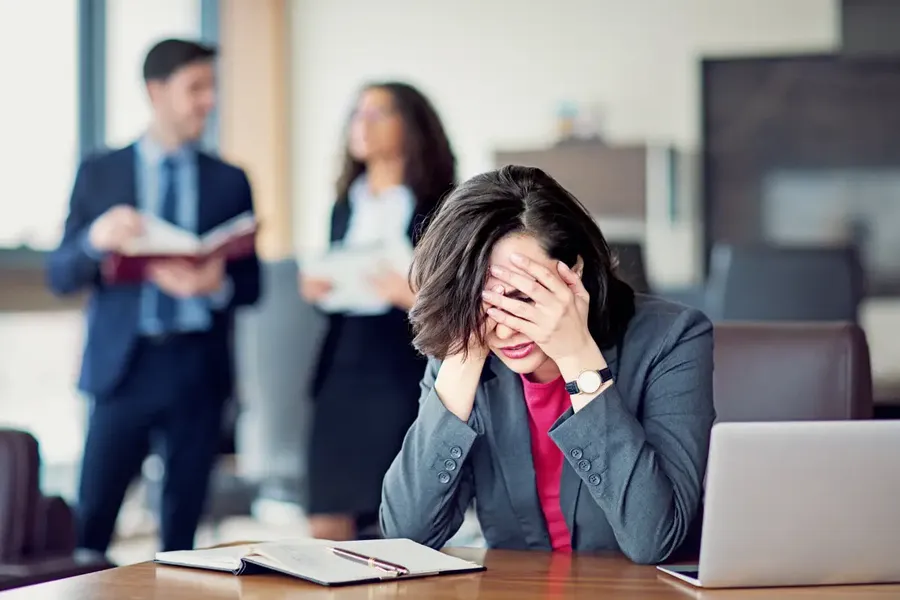
Millions lose jobs or see hours reduced. Even those who keep their jobs often face pay freezes or cuts. Families delay big purchases like cars or homes, eat out less, and worry more about the future. Young people entering the job market find fewer opportunities, while older workers fear early retirement or long-term unemployment. Mental stress rises as bills become harder to pay.
The Chain Reaction – Business Pain Becomes People’s Pain
When businesses lay off workers, those families spend less, which hurts other businesses even more. This creates a downward spiral that can deepen the recession. Banks become cautious about lending, making it harder for companies to survive and for people to get mortgages or loans.
| Group Affected | Main Impacts |
|---|---|
| Small Businesses | Sharp sales drop, cash flow crisis, high closure risk |
| Large Companies | Profit collapse, layoffs, delayed investments |
| Workers / Families | Job loss, reduced income, lower confidence, higher stress |
| Young People | Harder to find first jobs, lower starting salaries |
Why Some Suffer More Than Others
Lower-income households and sectors like retail, hospitality, travel, and construction usually feel the pain first and hardest. People with stable government or essential jobs, or those with savings, cope better. Countries with strong social safety nets (unemployment benefits, healthcare support) see less severe human suffering.
Real Examples from Past Recessions
During the 2008-2009 Global Financial Crisis, millions lost homes and jobs while many businesses went bankrupt. The COVID-19 recession in 2020 caused sudden massive unemployment in service industries, though government support helped shorten the worst phase in some countries. Each recession has unique triggers but similar painful patterns.
What Can Help During a Recession
- Governments increasing spending or cutting taxes to support demand
- Central banks lowering interest rates to make borrowing cheaper
- Businesses focusing on cost control while protecting core customers
- Citizens building emergency savings and improving skills during downturns
FAQs – How Economic Recession Affects Businesses and Citizens
How long do recessions usually last?
Most last between 6 and 18 months, though the full recovery of jobs and confidence can take several years.
Do prices always fall in a recession?
Not always. Some essentials like food or energy can still rise due to supply issues, while many other goods and services become cheaper due to weak demand.
Can individuals prepare for a recession?
Yes – by building an emergency fund, reducing unnecessary debt, keeping skills up-to-date, and avoiding big financial commitments when the economy looks shaky.
Conclusion
Economic recessions bring difficult times for both businesses and citizens through falling demand, job losses, tighter budgets, and widespread uncertainty. While painful, they are a normal part of the business cycle. Understanding the mechanisms helps families and companies make better decisions and reminds policymakers why timely, targeted support matters.
For more practical economic insights, read these guides:
• Effects of government debt on economic growth explained
• Impact of inflation on cost of living in developing countries
• Pay off debt fast strategies
• How exports and imports affect national economy balance