
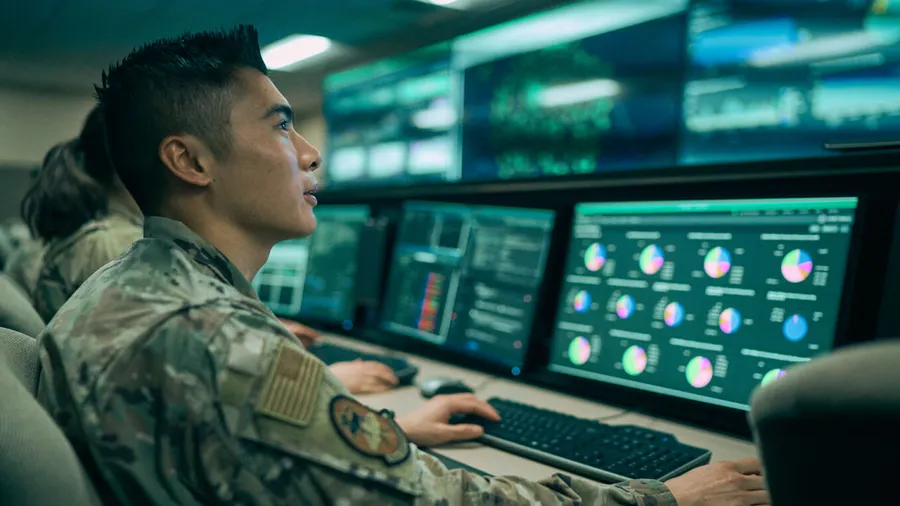
Quick Take: Cyber Defense in Action
Modern cyber defense is like a digital immune system. It constantly monitors for threats, blocks attacks automatically, and alerts experts when something unusual appears. The best systems combine advanced technology with skilled people working around the clock.
Quick Answer: How Cyber Warfare Defense Systems Work
Cyber defense systems monitor networks 24/7 using sensors and AI to spot unusual activity. When a threat appears, they block it automatically, isolate affected systems, and alert human analysts who investigate and respond. Leading nations use layered defenses (defense-in-depth) that make successful attacks much harder.
What Is Cyber Warfare Today?
Cyber warfare involves using digital attacks to disrupt, damage, or spy on an adversary’s computer systems, infrastructure, or military networks. Unlike traditional bombs, these attacks can happen silently and from anywhere in the world.
In modern conflicts, cyber operations often happen alongside physical fighting. Nations target power grids, communication networks, financial systems, and military command centers to weaken opponents without firing a single shot.
How Cyber Defense Systems Actually Work
Think of cyber defense as a multi-layered shield. It starts with prevention (stopping attacks before they happen), moves to detection (spotting attacks in progress), and ends with response (containing and recovering from successful breaches).
- Monitoring: Sensors and software watch network traffic for anything unusual.
- Detection: AI compares current activity against known threats and normal behavior.
- Blocking: Firewalls and automated tools stop suspicious traffic instantly.
- Response: Security teams investigate, remove malware, and restore systems.
- Learning: Every incident improves the system for future attacks.
Key Components of Modern Cyber Defense
- Firewalls and Next-Gen Firewalls: Act as gatekeepers controlling what traffic enters and leaves networks.
- Intrusion Detection/Prevention Systems (IDS/IPS): Spot and stop attacks in real time.
- Endpoint Detection and Response (EDR): Protect individual computers, servers, and devices.
- Security Information and Event Management (SIEM): Collect and analyze logs from across the entire network.
- Threat Intelligence Platforms: Share information about new attacks with allies.
The Growing Role of AI in Cyber Defense
In 2026, AI has become essential. Machine learning models can detect subtle anomalies that humans might miss. They learn normal network behavior and flag anything that deviates from it. This allows defense systems to respond in seconds rather than hours.
Many advanced systems now use automated response capabilities — when a threat is confirmed, the system can isolate infected machines automatically while alerting analysts.
Real-World Examples in Modern Conflicts
Nations like the United States, Israel, and NATO members have sophisticated cyber defense commands. They run constant exercises (red team vs blue team) to test their systems. During recent geopolitical tensions, these defenses have successfully thwarted numerous sophisticated state-sponsored attacks targeting critical infrastructure.
| Defense Layer | Purpose | Example Tool |
|---|---|---|
| Prevention | Block known threats | Next-Gen Firewall |
| Detection | Spot unusual activity | AI-powered IDS |
| Response | Contain and recover | EDR + SOC Team |
Defense-in-Depth: The Gold Standard
No single tool can stop every attack. The most effective strategy uses multiple overlapping layers so that if one fails, others still protect the system. This approach is used by top militaries and critical infrastructure operators worldwide.
FAQs About Cyber Warfare Defense Systems
How do cyber warfare defense systems work?
They continuously monitor networks, use AI to detect threats, automatically block suspicious activity, and enable rapid human response when needed.
What are the main components of modern cyber defense?
Firewalls, intrusion detection systems, endpoint protection, SIEM tools, threat intelligence, and skilled security teams working in Security Operations Centers.
How important is AI in cyber defense?
Critical in 2026. AI helps detect new threats faster and automates many responses, giving defenders an edge against fast-moving attacks.
Can regular people or companies use similar defenses?
Yes. Many commercial cybersecurity tools are based on the same principles used by governments and militaries.
Conclusion: Staying Ahead in the Cyber Domain
Cyber warfare defense has become just as important as traditional military hardware. The best systems combine advanced technology with well-trained people and constant vigilance. As attacks grow more sophisticated, so do the defenses protecting our digital world.
Understanding these systems helps us appreciate both the risks and the impressive efforts underway to keep nations and infrastructure safe in an increasingly connected world.
Data Sources & References
Information based on reports from cybersecurity agencies, NATO cyber defense publications, Global Firepower defense analyses, and industry insights into 2026 cyber threat landscapes.
For more helpful reads, visit our main categories page.