
Quick Take
Hard power relies on military or economic coercion, while soft power wins influence through attraction and persuasion. Most successful countries use a mix of both – often called smart power.
Quick Answer: Soft Power vs Hard Power
Hard power uses force or money to make others comply. Soft power attracts others so they want to follow your lead. The United States has long been strong in soft power thanks to its culture and universities, while countries like China have rapidly built economic hard power.
What Is Hard Power?
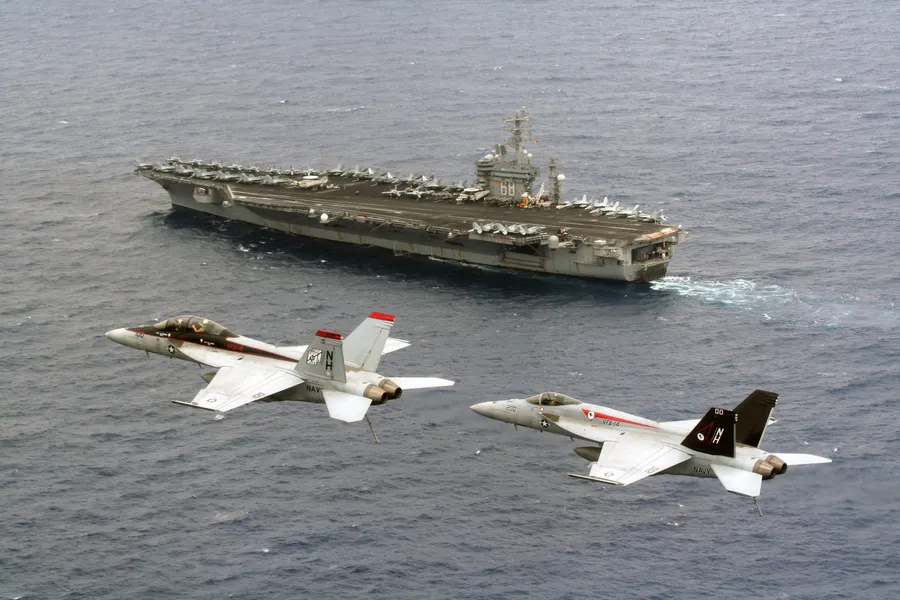
Hard power is the use of military strength, economic sanctions, or incentives to influence other countries. It is direct and often involves coercion or the threat of force.
What Is Soft Power?
Soft power, a term popularized by Joseph Nye, is the ability to get what you want through attraction rather than payment or coercion. It comes from culture, political values, and policies that others admire.
| Aspect | Hard Power | Soft Power |
|---|---|---|
| Method | Coercion & incentives | Attraction & persuasion |
| Tools | Military, sanctions, aid | Culture, values, diplomacy |
| Speed | Fast results | Slower, longer-lasting |
Real-World Examples in 2026
The United States continues to lead in soft power through Hollywood, technology companies, and universities that attract global talent. China has dramatically increased its hard power through military modernization and economic initiatives like the Belt and Road, while also investing heavily in cultural institutes and media to build soft power.
Strengths and Weaknesses of Each
- Hard power can stop immediate threats but often creates resentment and long-term resistance.
- Soft power builds trust and alliances but can be slow and ineffective against determined adversaries.
Smart Power: The Best Approach
Many experts now recommend “smart power” – using the right combination of soft and hard power depending on the situation. Successful foreign policy rarely relies on just one.
FAQs About Soft Power and Hard Power
Which country has the most soft power?
The United States consistently ranks at the top due to its cultural influence, though rankings shift yearly.
Can soft power replace military power?
No. Soft power works best when backed by credible hard power.
Is economic aid soft power or hard power?
It can be both, depending on whether it comes with conditions (hard) or genuine goodwill (soft).
Conclusion
Understanding the difference between soft power and hard power helps explain how countries compete and cooperate on the world stage. While hard power delivers quick results, soft power often creates deeper, more lasting influence. The most effective nations know how to blend both approaches wisely.
Data Sources & References
Concepts drawn from Joseph Nye’s work on soft power and current analyses of global influence (updated 2026).
For more on global affairs, explore our Global Politics section.