
Quick Take for Citizens
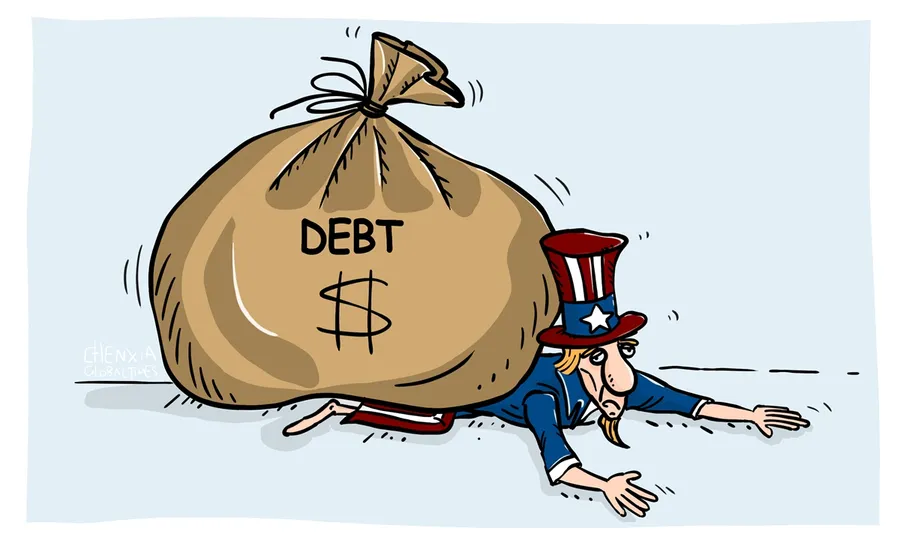
High national debt doesn't just affect governments — it hits everyday life through higher taxes, rising prices, more expensive mortgages and loans, and less money for schools, healthcare, and infrastructure. In 2026, many countries carry debt levels above 100% of GDP, with interest payments consuming growing portions of budgets.
Quick Answer: National Debt and You
National debt is money governments borrow that must eventually be repaid with interest. When debt grows too large, governments often raise taxes, cut spending, or allow higher inflation. Citizens feel this through slower wage growth, higher costs for everyday items, and reduced quality of public services.
How National Debt Works in Simple Terms
Governments borrow by issuing bonds. Investors buy them expecting repayment plus interest. When debt levels are manageable, this can fund useful investments. But when debt grows faster than the economy, interest payments become a bigger burden, leaving less money for other priorities.
Direct Impact on Taxes and Personal Finances
Higher debt often leads to future tax increases or reduced tax relief. Families may pay more in income tax, sales tax, or property tax. Higher interest rates caused by large borrowing also make mortgages, car loans, and credit cards more expensive for ordinary people.
Debt and Inflation: What It Means for Your Money
Governments sometimes print money or keep interest rates artificially low to manage debt. This can cause inflation, meaning your salary buys fewer groceries, fuel, and housing. In recent years, countries with rapidly rising debt saw inflation spikes that eroded living standards.
| Debt Level | Common Effects on Citizens |
|---|---|
| Moderate (under 60% GDP) | Minimal direct impact |
| High (over 100% GDP) | Higher taxes, inflation risk, costlier loans |
| Very High (120%+) | Possible service cuts, currency weakness |
Impact on Public Services and Future Generations
Large interest payments crowd out spending on healthcare, education, roads, and social programs. Children and young adults may inherit higher taxes and fewer opportunities if debt continues to grow unchecked.
FAQs About National Debt and Citizens
Will national debt be paid by future generations?
Yes, through higher taxes or reduced services unless the economy grows fast enough to make the debt burden smaller relative to GDP.
Does printing money to pay debt help citizens?
Short-term relief often leads to higher inflation, which hurts savers and people on fixed incomes the most.
Can a country just cancel its debt?
Rarely without severe consequences like loss of investor confidence and economic crisis.
Conclusion
National debt matters to everyday citizens because it eventually translates into higher costs, reduced services, or inflation that erodes what your money can buy. Responsible management — balancing necessary investments with fiscal discipline — helps protect living standards for current and future generations.
Data Sources & References
Based on macroeconomic principles, debt-to-GDP data from major economies, and observed impacts of high debt levels (updated 2026 framework).
For more on economic topics, explore our Economy section and inflation tracking guides.