
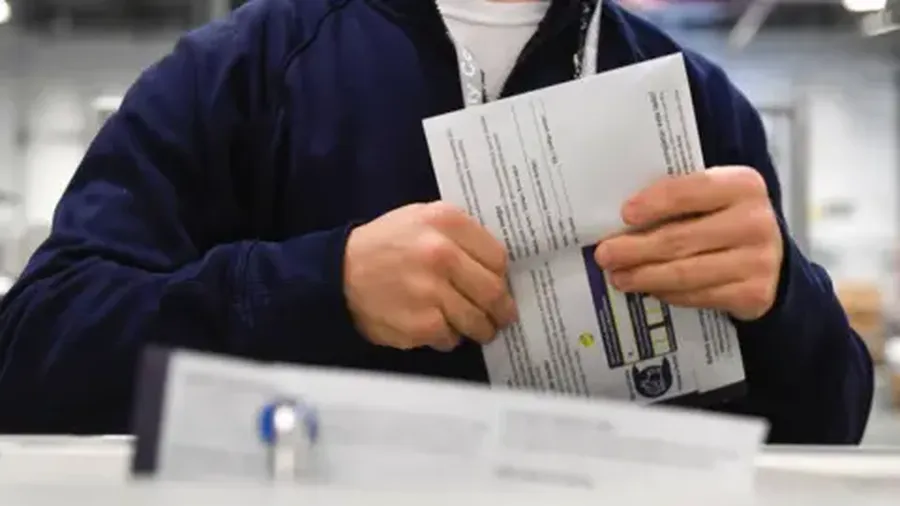
Why Transparent Counting Matters
Election results determine who holds power and shapes national policies. When people trust the counting and verification process, they accept the outcome even if their preferred candidate loses. When trust breaks down, it can lead to protests, legal battles, or long-term damage to democracy. Modern systems use multiple layers of checks to make manipulation extremely difficult.
Quick Answer: How Election Results Are Counted and Verified
Votes are counted at polling stations or secure centers using hand counting or electronic scanners. Results are then transmitted securely, cross-checked with voter turnout data, audited, and officially certified. Multiple observers, paper trails, and random audits help ensure accuracy and prevent fraud.
The Overall Election Counting Process
The journey from ballot box to final result usually follows these stages: voting ends → ballots are sealed and transported under observation → counting begins at polling stations or central facilities → preliminary results are announced → verification and audits occur → official results are certified by an independent electoral body. The entire process is designed with redundancy so that errors or attempts at manipulation can be detected.
Counting at Polling Stations
In many countries, counting starts immediately after polls close in the presence of party agents and independent observers. Officials open ballot boxes, sort ballots by candidate or party, and count them manually or with scanners. Results are recorded on official forms, signed by all present parties, and copies are given to observers before being sent to higher levels. This local transparency builds early confidence.
Central Tabulation and Electronic Counting
Larger countries often use electronic systems to speed up the process. Scanners read ballot papers or voters use direct-recording electronic machines. Data is transmitted through secure channels to a central server. However, most credible systems keep a paper trail (paper ballots or voter-verified paper audit trails) so that electronic results can be manually verified if needed.
Verification and Audit Steps
- Cross-checking total votes cast against registered voter turnout
- Random manual audits of a percentage of polling stations
- Parallel vote tabulation by independent organizations
- Public posting of results at each stage for transparency
These steps help catch discrepancies quickly and reassure the public that the announced numbers match actual ballots.
Recounts and Legal Challenges
If results are very close or serious irregularities are alleged, candidates or parties can request a recount. In some systems, automatic recounts are triggered below a certain margin (for example, less than 0.5% or 1%). Recounts are usually done under stricter supervision and can involve full manual re-examination of every ballot.
Key Safeguards That Protect Integrity
Chain of custody for ballots, biometric voter identification in some countries, real-time observation by domestic and international monitors, secure storage of unused ballots, and strict rules on who can be present during counting all work together to make large-scale fraud extremely difficult.
How Different Countries Count and Verify Results
The United States uses a decentralized system with state-level rules and paper ballots in most places. India conducts one of the world’s largest elections with Electronic Voting Machines that have a Voter Verifiable Paper Audit Trail. Many European countries combine electronic tabulation with strong manual audit requirements. No single method is perfect, but the combination of technology and human oversight tends to work best.
FAQs – How Election Results Are Counted and Verified
How long does it take to count votes?
It varies. Small countries can announce results the same night, while large nations like India or the US may take several days for full verification.
Can electronic voting be hacked?
Modern systems with paper backups and offline components are much harder to hack at scale, but no system is 100% immune. That’s why audits and paper trails are essential.
What happens if there is a tie?
Many systems have specific rules, such as drawing lots or holding a by-election, though ties at national level are extremely rare.
Conclusion – Trust Through Transparency
Election counting and verification may seem technical, but they are the foundation of democratic legitimacy. When done openly with clear procedures, independent oversight, and multiple checks, citizens can have confidence in the results. Understanding how the process works helps voters recognize when everything is proceeding normally and when something may require closer attention.
For more on elections, see types of voting systems used around the world explained and how to register to vote step by step guide.
Data Sources & References
International Institute for Democracy and Electoral Assistance (IDEA), reports from national electoral commissions, and comparative studies on election administration.