
Quick Overview
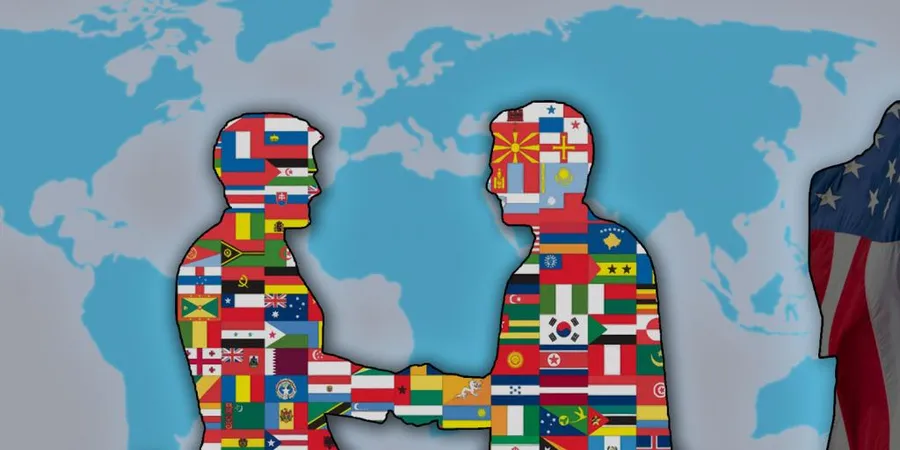
International trade treaties reduce barriers like tariffs and quotas between countries or trading blocs. Major blocs such as the EU, USMCA, and CPTPP create deeper integration, while the WTO provides global rules. These agreements aim to boost economic growth through predictable and fair trade.
Quick Answer: How Trade Treaties Work
Countries negotiate to lower tariffs, remove quotas, and harmonize rules. Treaties between trading blocs create preferential access among members. The WTO sets baseline global rules, while regional agreements like the EU go much deeper with free movement of goods, services, and people.
What Are International Trade Treaties?
Trade treaties are formal agreements between countries that set rules for how goods, services, and investment flow across borders. They aim to make trade more predictable, reduce costs, and prevent unfair practices.
Major Trading Blocs in 2026
Trading blocs are groups of countries that cooperate closely on trade. The European Union is the most integrated, with a single market and common external tariff. Others like USMCA (North America) and CPTPP (Asia-Pacific) focus on reducing barriers while keeping separate external policies.
How Trade Treaties Actually Work
Negotiations can take years. Once signed and ratified by parliaments, the treaty enters into force. Tariffs on thousands of products are reduced or eliminated according to a schedule. Rules of origin determine which goods qualify for preferential treatment.
| Trading Bloc | Members | Key Feature |
|---|---|---|
| European Union | 27 countries | Single market & common tariff |
| USMCA | US, Canada, Mexico | Modernized North American trade |
| CPTPP | 11 Asia-Pacific nations | High-standard comprehensive agreement |
Key Elements in Modern Trade Treaties
- Tariff reductions and elimination schedules
- Rules for services, digital trade, and investment
- Intellectual property protection
- Labor and environmental standards
- Dispute settlement mechanisms
How Disputes Are Resolved
Most treaties include formal dispute settlement processes. Countries first try consultations, then panels of experts review the case. If a country violates the agreement, the other side can impose retaliatory measures until compliance is achieved.
FAQs About International Trade Treaties
What is the difference between WTO and regional trade agreements?
The WTO sets global baseline rules for all members, while regional agreements create deeper, faster integration between specific countries or blocs.
Do trade treaties always benefit everyone?
They generally boost overall economic growth, but some industries or workers may face challenges from increased competition.
Why do negotiations take so long?
Countries must balance economic interests, protect sensitive sectors, and reach consensus on complex issues like subsidies and regulations.
Can a country leave a trade agreement?
Yes, most treaties include withdrawal clauses, though the process can be complex and have economic consequences.
Conclusion
International trade treaties and trading blocs shape the flow of goods, services, and investment across borders. By reducing barriers and creating clear rules, they promote economic growth while balancing national interests. Understanding how they work helps citizens make sense of global economic news and policy debates.
Data Sources & References
Based on official texts from the WTO, European Commission, and major trade agreements (updated 2026 framework).
For more on global affairs, explore our Global Politics section.