
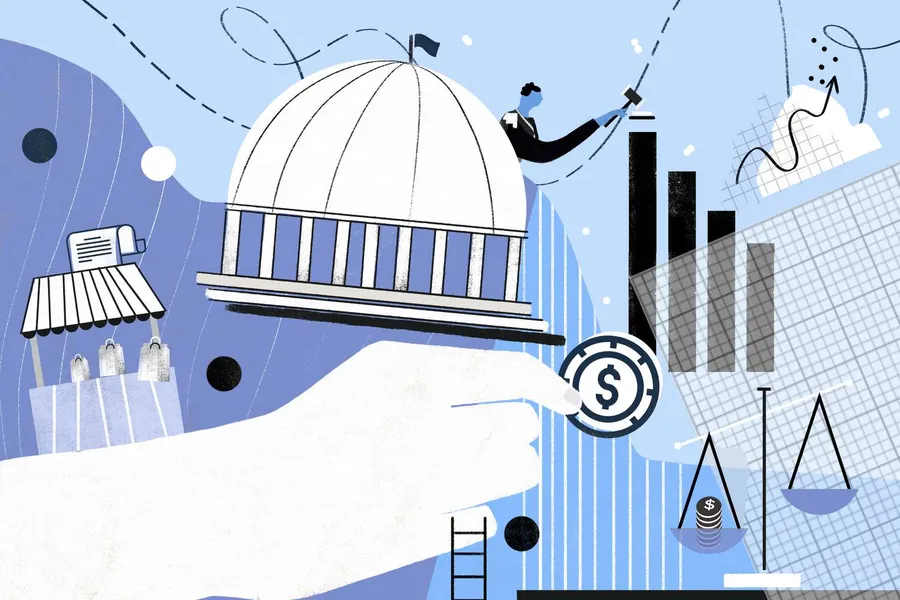
Your Life Is Shaped by Policies You May Never Read
Every morning when you buy bread, fill your car with fuel, send your children to school, or visit a clinic, government policies are quietly at work behind the scenes. These decisions influence the cost of living, the quality of services, job opportunities, and even the air you breathe.
Quick Answer: How Government Policies Affect Everyday Life
Government policies touch almost every part of daily life. Tax rates determine how much money stays in your pocket. Education funding affects school quality and future job prospects. Fuel and food subsidies influence prices at the pump and market. Healthcare policies decide whether treatment is affordable. Infrastructure decisions determine how long your commute takes and whether you have reliable electricity and internet. Even small policy changes can add or subtract hundreds of dollars from household budgets every year.
Economic Policies and Your Wallet
Interest rates set by central banks affect loan repayments and savings returns. Minimum wage laws directly impact take-home pay for millions of workers. Import tariffs and trade policies influence the price of clothes, electronics, and food. During the 2022–2023 global inflation period, countries that provided targeted fuel and food subsidies saw smaller increases in household living costs compared to those that removed subsidies abruptly.
Education Policies and Your Children’s Future
Free primary education, school feeding programs, and university scholarships change lives. Countries that invest heavily in teacher training and classroom resources consistently show better literacy and numeracy rates. A single policy like making secondary education compulsory can dramatically increase lifetime earnings for an entire generation.
Healthcare Policies: Access and Costs
National health insurance schemes, vaccination programs, and medicine price controls determine whether families can afford treatment when someone falls ill. In countries with strong public healthcare, out-of-pocket medical expenses are significantly lower, protecting families from financial ruin due to illness.
Infrastructure and Daily Convenience
Road construction, electricity generation, and internet expansion policies affect how long you spend commuting, whether your lights stay on, and how easily you can work or study from home. Poor infrastructure policies can add hours to travel time and increase business costs that eventually reach consumers.
Taxes, Subsidies, and Hidden Impacts
| Policy Type | Everyday Effect |
|---|---|
| VAT / Sales Tax | Raises prices of goods and services |
| Fuel Subsidy | Lowers transport and food costs |
| Income Tax Brackets | Determines take-home pay |
| Education Grants | Reduces family education expenses |
Environmental and Labor Policies
Plastic bag bans, emission standards, and labor laws (working hours, safety rules, minimum wage) shape the environment you live in and the conditions under which you or your family members work. These policies often have both immediate costs and long-term benefits for public health and sustainability.
Real-Life Examples from Different Countries
- Removal of fuel subsidies in some African countries led to immediate increases in transport fares and food prices.
- Countries with strong public education investment show higher social mobility and better workforce skills.
- Universal healthcare systems significantly reduce medical-related bankruptcies.
FAQs – How Government Policies Affect Everyday Life
Can one policy really make a big difference?
Yes. A 10% increase in fuel tax or a new school feeding program can noticeably change household budgets or children’s nutrition and attendance rates.
Which policies affect the poor the most?
Food and fuel subsidies, healthcare access, and education funding have the strongest direct impact on low-income families.
Do policies only affect money?
No. They also influence health outcomes, safety, environmental quality, and future opportunities for you and your children.
Conclusion: Policies Are Not Distant – They Are Personal
Government policies are not abstract ideas discussed only in news or parliament. They determine the cost of your morning tea, the quality of your child’s classroom, how long your commute takes, and whether you can afford medical care when needed. Understanding these connections helps citizens make informed choices when voting and holding leaders accountable. Small policy shifts can create big differences in quality of life – both positive and negative.
Related reading: roles and responsibilities of a president explained, types of government systems explained democracy vs monarchy, and how globalization affects political systems worldwide.
Data Sources & References
World Bank reports on policy impacts, OECD studies on taxation and inequality, national budget analyses, and real-world case studies from subsidy reforms and education investments.