
When Borders Become More Porous
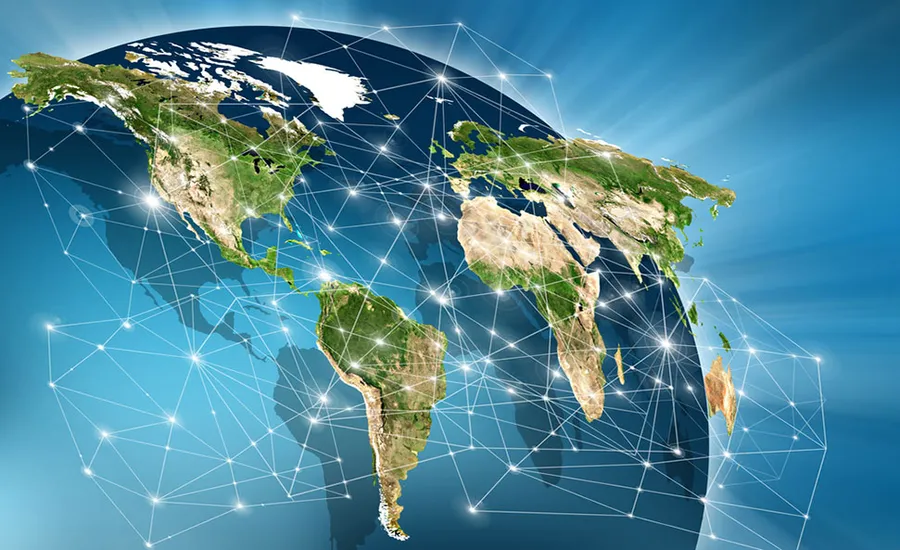
Globalization has made the world more interconnected than ever before. Goods, capital, ideas, and people move across borders at unprecedented speeds. While this brings economic opportunities, it also creates profound challenges for traditional political systems built around the idea of sovereign nation-states.
Quick Answer: How Globalization Affects Political Systems Worldwide
Globalization weakens absolute national sovereignty by subjecting countries to international rules and economic pressures. It spreads democratic norms and information but also fuels populist backlash against perceived loss of control. Multinational corporations and global institutions gain influence, while governments struggle to balance domestic demands with international commitments. This has contributed to rising nationalism, challenges to traditional parties, and new forms of governance.
Erosion of National Sovereignty
In a globalized world, governments must often follow rules set by bodies like the World Trade Organization (WTO), International Monetary Fund (IMF), or regional unions. Trade agreements limit a country’s ability to protect certain industries or set independent economic policies. Capital flows can punish governments that adopt policies disliked by markets, creating what some call “golden straitjackets.”
Impact on Democratic Systems
Globalization spreads democratic ideas and human rights norms through media and international pressure. However, it can also weaken democracy when important decisions are made in distant institutions with limited democratic accountability. Citizens may feel their votes matter less when economic policy is heavily influenced by global markets or international agreements.
The Rise of Populism and Nationalism
Many voters in both developed and developing countries have reacted against globalization with support for populist and nationalist leaders. Concerns about job losses to offshoring, cultural change from migration, and inequality have fueled movements that promise to restore national control. This backlash has reshaped politics in countries across Europe, the Americas, and Asia.
The Growing Role of International Institutions
Organizations like the United Nations, European Union, African Union, and ASEAN have gained influence over issues once considered purely domestic. While they help coordinate responses to global problems such as climate change and pandemics, they also spark debates about who holds real power and whether they undermine national democracy.
Power of Multinational Corporations
Large corporations can influence politics through lobbying, investment decisions, and control of critical technologies. Their ability to move operations across borders gives them leverage over governments seeking jobs and tax revenue. This has led to concerns about regulatory capture and the declining ability of states to enforce labor or environmental standards.
Effects on Developing Countries
Globalization offers access to markets, technology, and capital, helping lift hundreds of millions out of poverty in countries like China, India, and Vietnam. However, it can also increase inequality, weaken local industries unable to compete, and create dependence on foreign investment and commodity exports.
Future Trends and Challenges
The future of globalization is uncertain. Some trends point toward “slowbalization” or selective decoupling, especially in strategic sectors like semiconductors and critical minerals. Climate change, digital technology, and pandemics will continue to push countries toward greater cooperation even as political resistance to integration grows in many places.
FAQs – How Globalization Affects Political Systems Worldwide
Does globalization make countries more similar politically?
It spreads certain norms and institutions but also triggers strong reactions that can increase political divergence and polarization.
Can governments still control their economies under globalization?
They have less room for maneuver than before, but clever policy choices and regional cooperation can still shape outcomes significantly.
Is de-globalization possible?
Partial decoupling in sensitive areas is already happening, but full reversal would be extremely costly for most economies.
Conclusion – A Double-Edged Sword
Globalization has profoundly transformed political systems by linking economies, spreading ideas, and creating new centers of power beyond the nation-state. While it has delivered unprecedented prosperity and cooperation in many areas, it has also generated backlash, inequality, and challenges to traditional democratic accountability. The future will likely involve a more nuanced balance between global integration and national control rather than simple continuation or reversal of current trends.
Related reading: global superpowers and their influence in world politics, how foreign policy shapes international relations, and how global trade wars impact economies.
Data Sources & References
World Bank and IMF reports on globalization and inequality, studies from the Pew Research Center on public attitudes toward globalization, academic literature on sovereignty and populism, and analyses from the Council on Foreign Relations.