
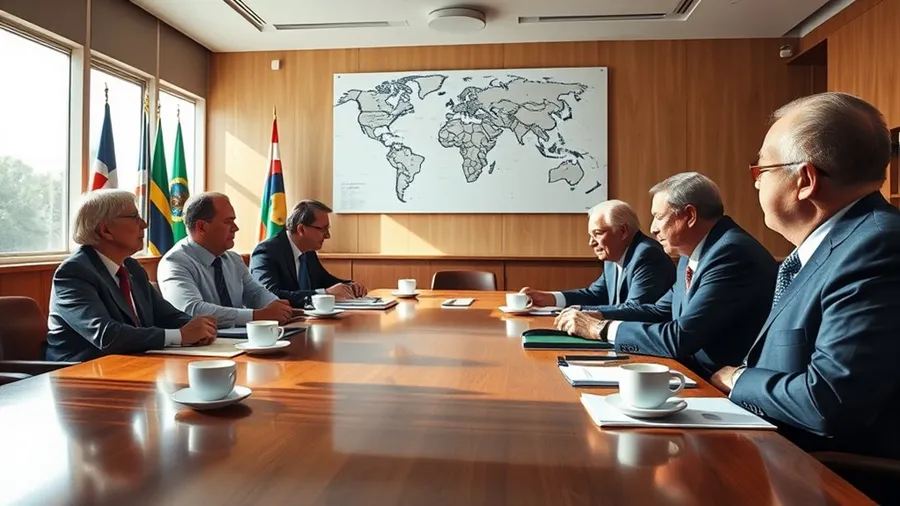
Talking Instead of Fighting
When tensions rise between countries, the easiest path is often escalation. Diplomacy offers a different route — one that relies on dialogue, compromise, and patience. It has prevented countless conflicts from turning violent and remains the most cost-effective tool for maintaining global stability.
Quick Answer: Role of Diplomacy in Preventing International Conflicts
Diplomacy prevents conflicts by creating channels for dialogue, clarifying misunderstandings, negotiating compromises, and building trust. It includes back-channel talks, mediation by neutral parties, confidence-building measures, and engagement through organizations like the United Nations. While not foolproof, successful diplomacy has averted many potential wars, including the Cuban Missile Crisis, and remains far less costly than military confrontation.
What Is Preventive Diplomacy?
Preventive diplomacy involves actions taken to stop disputes from escalating into armed conflict. It focuses on early intervention, addressing root causes, and finding mutually acceptable solutions before positions harden. The United Nations and regional organizations play a major role, but individual countries and even non-state actors can contribute through quiet engagement.
Key Tools of Preventive Diplomacy
- Negotiation and dialogue – Direct talks between parties.
- Mediation – Involvement of neutral third parties (e.g., UN, regional leaders).
- Confidence-building measures – Transparency on military activities, hotlines, joint exercises.
- Economic incentives – Aid, trade benefits, or sanctions relief to encourage cooperation.
- Track II diplomacy – Unofficial talks involving academics, former officials, and civil society.
Notable Success Stories
During the 1962 Cuban Missile Crisis, back-channel diplomacy between US President Kennedy and Soviet Premier Khrushchev helped avoid nuclear war. The 1978 Camp David Accords, mediated by the US, brought peace between Egypt and Israel. More recently, the Iran nuclear deal (JCPOA) showed how sustained multilateral diplomacy can address proliferation concerns without military action.
Challenges and Limitations
Diplomacy fails when parties lack genuine interest in compromise, when domestic politics reward hardline positions, or when trust is completely broken. Power imbalances can make weaker states feel negotiations are unfair. In some cases, delays in diplomatic engagement allow conflicts to escalate beyond the point where peaceful resolution is possible.
Diplomacy in the Modern Era
Today’s diplomacy operates in a more complex environment with cyber threats, economic interdependence, and non-state actors. Digital communication enables faster but sometimes more inflammatory exchanges. Multilateral forums like the UN, G20, and regional bodies provide platforms for managing tensions, while public diplomacy through media and social platforms influences how negotiations are perceived domestically.
FAQs – Role of Diplomacy in Preventing International Conflicts
Is diplomacy just talking?
No. Effective diplomacy combines dialogue with credible incentives, pressure, and creative problem-solving.
Can diplomacy work with aggressive regimes?
Yes, when combined with clear red lines and coordinated international pressure. Pure isolation often reduces leverage.
How does diplomacy compare to military options?
Diplomacy is almost always cheaper, less destructive, and more sustainable when successful. Military action is usually a last resort.
Conclusion – The First Line of Defense
Diplomacy remains humanity’s most important tool for preventing international conflicts. It saves lives, preserves resources, and creates space for cooperation on shared challenges like climate change and pandemics. While it requires patience, skill, and political courage, the alternatives — war and prolonged suffering — are far more costly. Investing in diplomatic capacity and supporting multilateral institutions continues to be one of the smartest investments any nation can make for long-term security and stability.
Related reading: what causes international conflicts between countries, how foreign policy shapes international relations, and global superpowers and their influence in world politics.
Data Sources & References
United Nations reports on preventive diplomacy, historical records of major crises, studies from the International Crisis Group, and academic research on conflict prevention and resolution.