
Quick Overview
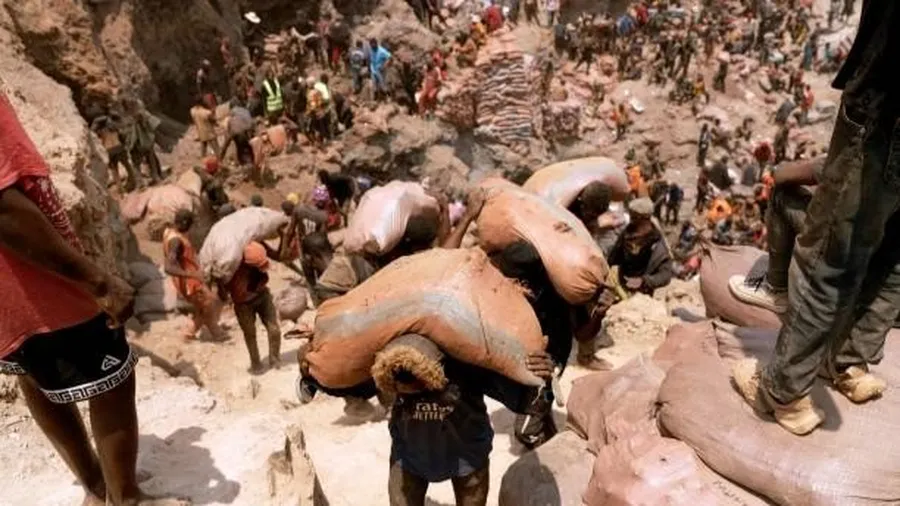
Countries rich in oil, minerals, or metals often struggle despite their wealth. The way mining contracts are negotiated determines whether resources benefit citizens or mainly foreign companies and local elites. Good governance, transparency, and smart contracts are key to turning resources into sustainable development.
Quick Answer: Natural Resources and Politics
The political economy of natural resources looks at how power and institutions influence who benefits from oil, minerals, and metals. Mining contracts set the rules for extraction, taxes, royalties, and environmental protection. Poor contracts often lead to the resource curse — wealth that brings corruption, conflict, and little development for ordinary citizens.
The Resource Curse: Why Resource Wealth Often Fails
Many resource-rich countries experience slower growth, higher inequality, and more conflict. This happens because easy revenue from resources reduces the need for broad taxation and good governance, encourages corruption, and makes the economy overly dependent on volatile commodity prices.
How Mining Contracts Are Negotiated
Governments and companies negotiate terms covering royalty rates, corporate taxes, profit sharing, local employment rules, environmental standards, and dispute resolution. Contracts can last decades, so getting the terms right is crucial for long-term national benefit.
| Contract Element | Good Practice | Common Problem |
|---|---|---|
| Royalties & Taxes | Progressive rates linked to profits | Too low or fixed rates favoring companies |
| Local Content | Mandatory training and jobs for locals | Mostly foreign workers and suppliers |
| Environment | Strong safeguards and rehabilitation funds | Weak enforcement and pollution |
Real-World Examples in 2026
Botswana has used diamond revenues relatively well through strong institutions and a sovereign wealth fund. In contrast, some oil-rich nations in Africa and the Middle East have seen massive wealth alongside poverty due to corruption and poor contract terms. Many countries are now renegotiating older contracts to secure better shares of revenue.
Better Ways to Manage Natural Resources
- Transparent bidding and contract disclosure
- Independent regulatory bodies
- Sovereign wealth funds for saving resource income
- Investment in education and economic diversification
- Strong environmental and social safeguards
FAQs About Natural Resources and Mining Contracts
What is the resource curse?
It is the paradox where resource-rich countries often perform worse economically and politically than those without resources.
Who benefits most from mining contracts?
When contracts are fair and well-managed, the whole country benefits through revenue, jobs, and development. Poor contracts mainly benefit foreign companies and a small elite.
Can ordinary citizens influence resource deals?
Yes — through demanding transparency, supporting strong institutions, and holding governments accountable for how contracts are negotiated and revenues spent.
Conclusion
The political economy of natural resources shows that having valuable minerals or oil is not enough for prosperity. Success depends on transparent governance, smart contract negotiation, and using revenues to build a diversified, inclusive economy rather than depending on resource extraction alone.
Data Sources & References
Based on established research on the resource curse, contract transparency initiatives, and case studies from resource-rich economies (updated 2026).
For more on economic governance, visit our Political Economy section.