
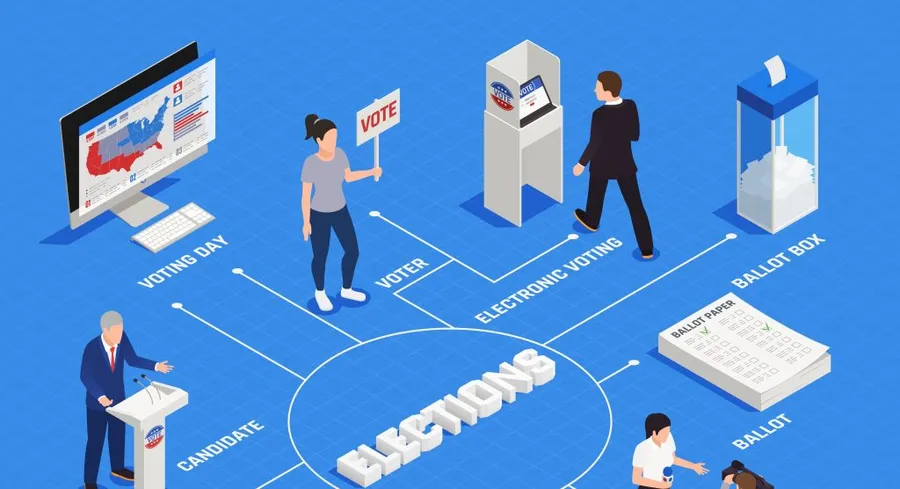
Understanding Election Fraud
Election fraud undermines trust in democracy. While complete fraud that changes national outcomes is rare in mature democracies, attempts and small-scale incidents happen more often than many people realize. Knowing the common causes helps citizens recognize warning signs and support stronger safeguards.
Quick Answer: Causes and Prevention of Election Fraud
Election fraud is mainly caused by weak oversight, insider manipulation, fake identities, ballot stuffing, and cyber attacks. Prevention relies on biometric ID, paper trails, independent observers, transparent counting, random audits, secure transport of materials, and strict legal penalties.
Common Causes of Election Fraud
Fraud usually thrives where there is poor training of election staff, lack of transparency, weak chain of custody for ballots, political pressure on officials, outdated voter registers, or insufficient independent oversight. In countries with high poverty or weak institutions, financial incentives or threats can also push individuals to participate in fraudulent acts.
Main Types of Election Fraud
- Voter impersonation – Someone votes using another person’s name
- Ballot stuffing – Adding fake ballots into the box
- Result manipulation – Changing numbers during counting or transmission
- Multiple voting – One person voting in several places
- Cyber interference – Hacking electronic voting or result systems
How Election Fraud Is Prevented
Modern democracies use layered defenses. Biometric voter registration and ID checks stop impersonation. Paper ballots or voter-verified paper audit trails allow manual verification even when electronic systems are used. Independent domestic and international observers monitor every stage. Random audits and parallel vote tabulation by civil society groups provide independent checks on official results.
Technology, Cyber Threats and New Challenges
Electronic voting machines and online result transmission speed up the process but introduce new risks. Strong prevention includes offline components, end-to-end encryption, regular security audits, and keeping a physical paper record that can be manually recounted if needed. Many countries now ban fully internet-based voting for national elections due to security concerns.
Real-World Examples and Lessons
In some developing nations, ballot stuffing has been caught through unusually high turnout (over 95%) or identical voting patterns. In established democracies, attempts at manipulation are often detected during audits or by sharp-eyed observers. Countries like Germany and Canada maintain high trust through transparent processes and strong independent electoral bodies.
How Effective Are Current Prevention Measures?
No system can eliminate all risk, but well-designed safeguards make large-scale fraud extremely difficult and detectable. Studies show that countries with strong independent institutions, paper trails, and active civil society oversight experience far fewer credible fraud claims. Public education also helps – informed voters are better at spotting irregularities.
FAQs – Election Fraud and Prevention
Is election fraud common?
Large-scale fraud that changes national outcomes is rare in mature democracies, but isolated attempts happen regularly and are usually caught.
Can technology completely stop fraud?
No single technology is foolproof. The most secure systems combine technology with human oversight and paper records.
What should voters do if they suspect fraud?
Report concerns calmly to the electoral commission or trusted observer groups with specific evidence rather than spreading unverified claims.
Conclusion – Protecting Trust in Elections
Election fraud undermines democracy, but strong prevention measures make it very difficult to succeed on a meaningful scale. Transparent processes, independent oversight, technology with paper backups, and active citizen vigilance remain the best defense. When people understand both the risks and the safeguards, they can better protect the integrity of their elections.
Continue learning with how election results are counted and verified and types of voting systems used around the world explained.
Data Sources & References
International IDEA, reports from national electoral commissions, academic studies on electoral integrity, and observations from reputable international monitoring organizations.