
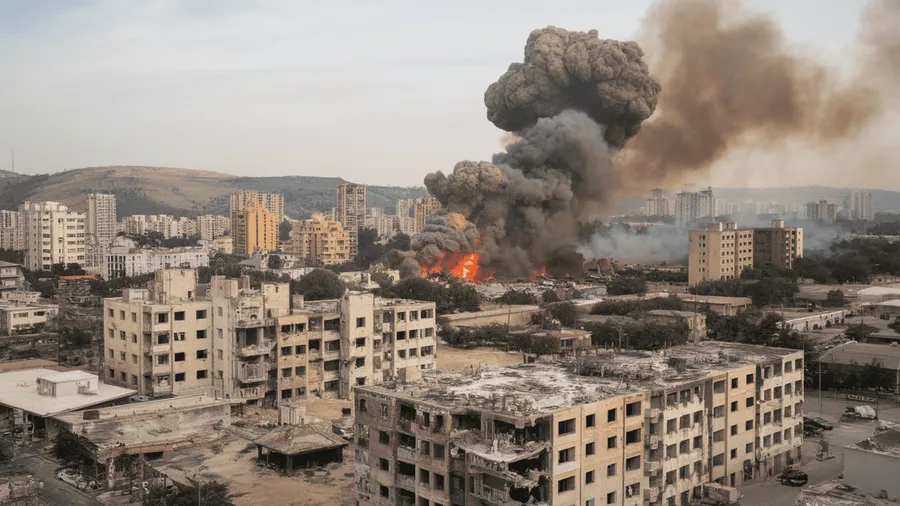
Why Nations Clash
International conflicts have shaped human history for centuries. From ancient territorial wars to modern geopolitical tensions, the reasons countries fight are often rooted in competition for power, resources, identity, and security. Understanding these causes helps us see patterns and work toward prevention.
Quick Answer: Main Causes of International Conflicts
The primary drivers are disputes over territory (about 30-40% of interstate wars), competition for resources like oil and water, struggles for regional or global power, ideological clashes, extreme nationalism, economic rivalries, and fear for national security. Many conflicts combine several of these factors.
Territorial Disputes
Control over land, borders, and strategic locations remains one of the most common triggers of conflict. Countries fight over islands, border regions, or areas with historical claims. These disputes often escalate when valuable resources or military advantages are involved. Historical data from the Correlates of War project shows territorial issues have been central to many major interstate wars.
Competition for Natural Resources
Access to oil, gas, minerals, water, and arable land frequently sparks tensions. As populations grow and climate change affects resource availability, competition intensifies. Many analysts point to resource scarcity as a growing risk factor for future conflicts, especially in regions where water or energy supplies are limited.
Power and Geopolitical Influence
Nations often clash when one seeks to expand its influence or when rising powers challenge established ones. This “power transition” dynamic has been observed throughout history. Security dilemmas arise when one country’s defensive actions are perceived as offensive by others, leading to arms build-ups and mistrust.
Ideological and Religious Differences
Clashes over political systems, governance models, or religious beliefs can fuel international tensions. During the Cold War, ideological competition between capitalism and communism shaped global alliances and proxy conflicts. While ideology alone rarely starts wars, it often intensifies existing disputes.
Nationalism and Ethnic Identity
Strong nationalist sentiments or unresolved ethnic grievances can lead governments to adopt aggressive foreign policies. Leaders sometimes use external conflicts to rally domestic support or distract from internal problems. Ethnic ties across borders can also draw countries into conflicts involving their kin populations.
Economic Competition and Trade Rivalries
Trade imbalances, sanctions, control over key shipping routes, and market dominance create friction. Economic interdependence can deter conflict, but when one side feels unfairly disadvantaged, tensions rise. History shows that economic grievances often combine with other factors to escalate into open confrontation.
Security Dilemmas and Arms Races
When countries arm themselves for defense, neighbors may interpret it as preparation for attack, triggering an arms race. This spiral of mistrust has contributed to several major conflicts. Nuclear proliferation and cyber capabilities have added new layers to these security concerns.
Summary of Main Causes
| Cause | Examples | Approximate Share |
|---|---|---|
| Territorial Disputes | South China Sea, Kashmir | 30–40% |
| Resource Competition | Oil in Middle East, water in Nile basin | 20–25% |
| Power & Influence | Cold War proxy conflicts | 15–20% |
| Ideology / Nationalism | Various ethnic and religious tensions | 10–15% |
How International Conflicts Can Be Prevented
Early diplomacy, strong international organizations like the United Nations, confidence-building measures, economic cooperation, and addressing grievances fairly are proven tools. Investing in shared development projects and clear communication channels reduces mistrust. Education and public awareness about the human cost of war also help build support for peaceful solutions.
FAQs – What Causes International Conflicts
Is war ever inevitable?
While tensions are common, most disputes can be managed peacefully through negotiation and international law when leaders choose diplomacy over force.
Do economic sanctions prevent conflicts?
They can pressure countries to change behavior, but they sometimes escalate tensions if perceived as aggressive.
Can climate change cause future wars?
Yes, by increasing competition over water, arable land, and resources as environmental stress grows in vulnerable regions.
Conclusion – Understanding to Prevent
International conflicts rarely have a single cause. Most result from a combination of territorial ambitions, resource competition, power struggles, and identity issues. By recognizing these patterns early and investing in dialogue, fair institutions, and shared prosperity, nations can reduce the risk of costly and destructive confrontations. Peace is not accidental — it requires constant effort and understanding.
Continue reading: global politics, importance of free and fair elections explained, and governance topics.
Data Sources & References
Correlates of War Project, Uppsala Conflict Data Program, reports from the United Nations, International Crisis Group, and academic studies on interstate conflict causes.