
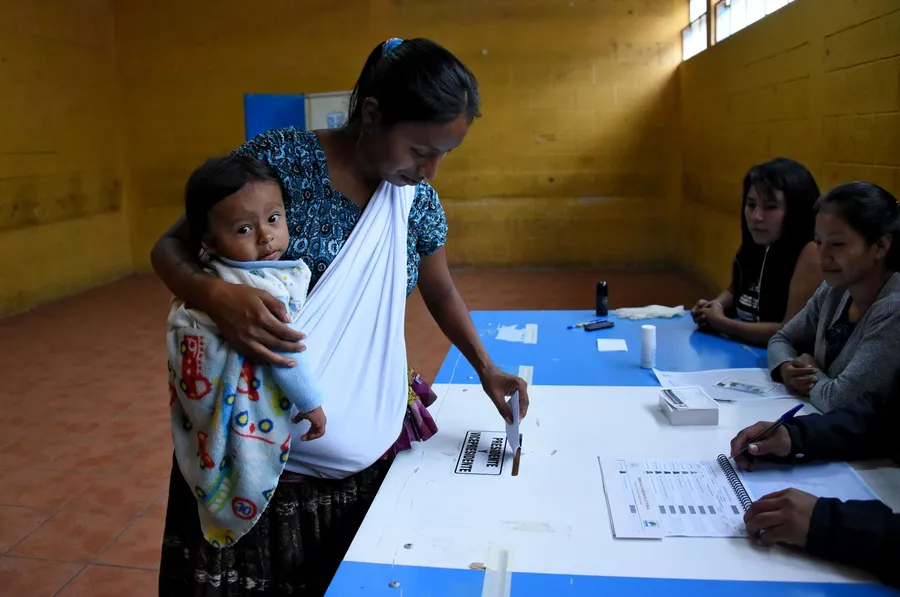
The Cornerstone of Democracy
Free and fair elections are much more than a ritual every few years. They are the primary way citizens choose their leaders and hold them accountable. When elections are genuinely free and fair, governments gain legitimacy, policies reflect public will, and societies tend to be more stable and prosperous. When they are compromised, trust erodes and problems multiply.
Quick Answer: Why Free and Fair Elections Matter
Free and fair elections give citizens a real voice in choosing leaders, ensure governments are legitimate, promote accountability, protect rights, reduce conflict, and support long-term economic growth. Flawed elections lead to corruption, instability, and loss of public trust.
Legitimacy and Public Trust
When elections are free and fair, the winning government has a strong mandate. Citizens are more likely to accept results, pay taxes, obey laws, and cooperate with policies. Studies across many countries show that high trust in electoral processes correlates with higher citizen satisfaction and lower levels of protest or unrest.
Promoting Accountability and Good Governance
Leaders who know they can be voted out work harder to deliver services, fight corruption, and respond to public needs. Free elections create regular opportunities for citizens to reward good performance and remove underperforming officials. This regular check prevents power from becoming permanent and unaccountable.
Protecting Human Rights and Freedoms
Free and fair elections are closely linked to other fundamental rights – freedom of speech, assembly, association, and access to information. When people can campaign, debate, and vote without fear, it reinforces a culture of rights and openness. Countries with consistently fair elections tend to score higher on global human rights and press freedom indices.
Maintaining Peace and Stability
Peaceful transfer of power through credible elections reduces the risk of coups, civil conflict, and political violence. Nations with strong democratic traditions and respected electoral processes experience far fewer violent power struggles. Even after close or disputed elections, fair processes allow disputes to be resolved through institutions rather than streets.
Driving Economic Development and Investment
Investors prefer countries with predictable, rules-based governance. Free and fair elections signal stability and respect for institutions. Research from organizations like the World Bank shows that democracies with credible elections often attract more foreign direct investment and achieve more sustainable long-term growth compared to authoritarian systems with manipulated elections.
What Happens When Elections Are Not Free and Fair
- Decline in public trust and increased protests
- Rise in corruption and poor policy decisions
- Economic uncertainty and reduced investment
- Higher risk of political instability or violence
- Weakened international reputation and aid
FAQs – Importance of Free and Fair Elections
Can a country develop without free elections?
Some countries achieve short-term growth under authoritarian rule, but long-term sustainable development and innovation usually require accountable institutions that free elections help create.
Do free elections guarantee good government?
No, but they make it much more likely by giving citizens the power to remove bad leaders and reward good ones.
How can ordinary citizens support free and fair elections?
By registering to vote, participating peacefully, supporting transparent processes, and holding leaders accountable through civic engagement.
Conclusion – The Heart of Democracy
Free and fair elections are not just a technical procedure – they are the heartbeat of a healthy democracy. They give ordinary people real power, encourage responsible leadership, protect rights, reduce conflict, and create conditions for long-term prosperity. Protecting the integrity of elections protects the future of any nation.
Explore more: what causes election fraud and how it is prevented, how election results are counted and verified, and types of voting systems used around the world explained.
Data Sources & References
International IDEA, World Bank governance indicators, Freedom House reports, and comparative studies on democratic performance and economic outcomes.