
The Ongoing Debate Around Minimum Wage
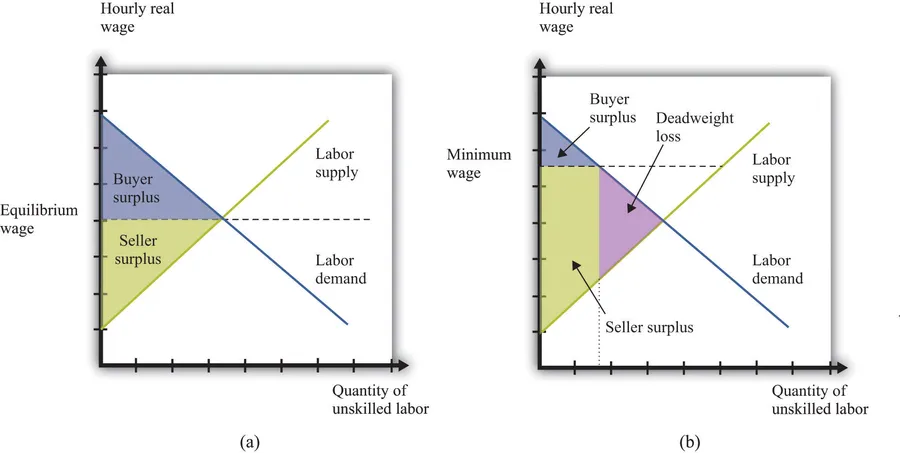
Minimum wage laws aim to protect low-income workers and reduce poverty, but they also raise labor costs for businesses. The real effects depend on how large the increase is, the state of the economy, enforcement levels, and how firms respond. Research shows a mix of benefits for workers and challenges for businesses, with outcomes varying across countries and time periods.
Quick Answer: How Minimum Wage Policies Affect Businesses and Workers
Raising the minimum wage increases earnings for low-paid workers and can reduce poverty, but it also raises labor costs for businesses. Most studies find modest negative effects on employment (elasticity typically -0.1 to -0.3), with stronger impacts on teenagers, part-time workers, and small businesses. Workers often benefit from higher incomes and lower turnover, while businesses may respond with higher prices, efficiency gains, reduced hours, or slower hiring. Overall effects depend heavily on the size of the increase and economic conditions.
Effects on Employment and Hiring Decisions
When labor costs rise, some businesses hire fewer workers or reduce hours. Meta-analyses of minimum wage studies show small to moderate disemployment effects, especially for young and low-skilled workers. However, many recent studies in the US and Europe find limited overall job losses, particularly when increases are gradual. Firms often absorb costs through higher productivity, lower turnover, or modest price increases rather than mass layoffs.
How Minimum Wage Affects Businesses, Especially Small Ones
Small businesses and labor-intensive sectors like retail, hospitality, and restaurants feel the impact most. Higher wages can squeeze profit margins, leading owners to raise prices, cut non-wage benefits, invest in labor-saving technology, or slow expansion. On the positive side, better-paid workers tend to stay longer, reducing recruitment and training costs. Large corporations usually adapt more easily due to economies of scale.
Benefits and Challenges for Workers
Low-wage workers see direct income gains, which can improve living standards and reduce reliance on government assistance. Spillover effects often raise wages slightly above the new minimum. However, some workers may face reduced hours, fewer job opportunities, or slower career progression. Higher earnings can also boost worker morale and reduce absenteeism, leading to better overall performance.
Productivity, Prices, Automation, and Long-Term Effects
Higher minimum wages can encourage firms to invest in training and technology, raising labor productivity. They may also accelerate automation in routine tasks. Consumer prices in affected sectors often rise modestly. Over the long term, a well-calibrated minimum wage can support broader economic demand without major disruption, while very large or sudden increases risk stronger negative effects.
Key Data and Evidence
- Employment elasticity to minimum wage changes is typically estimated between -0.1 and -0.3 in developed economies.
- Studies show that a 10% minimum wage increase raises earnings for low-wage workers by 1–3% on average due to spillover effects.
- Small businesses report higher labor costs but also lower turnover rates after wage increases.
Real Country and City Examples
Seattle’s gradual minimum wage increases to $15 showed mixed results with some reduction in hours for low-wage workers but overall earnings gains. The UK’s National Living Wage has lifted pay for millions with limited detectable job losses. In developing countries, enforcement challenges often limit intended benefits while still raising costs for formal businesses.
What Makes a Good Minimum Wage Policy?
- Gradual and predictable increases tied to inflation or productivity growth
- Different rates for regions, industries, or age groups where appropriate
- Strong support for small businesses through tax credits or training programs
- Regular review based on economic data and stakeholder input
- Complementary policies like skills training and earned income tax credits
FAQs – How Minimum Wage Policies Affect Businesses and Workers
Do minimum wage increases always cause unemployment?
No. Many studies find small or negligible overall employment effects, though certain groups (teenagers, low-skill workers) can be more affected.
How do small businesses cope with higher minimum wages?
Common responses include raising prices, improving operational efficiency, reducing non-wage perks, investing in technology, or slowing hiring and expansion.
Are workers better off with higher minimum wages?
Most low-wage workers gain higher incomes, but some may experience fewer hours or reduced job opportunities, especially if increases are large and sudden.
Conclusion: Finding the Right Balance
Minimum wage policies create real trade-offs. They can meaningfully improve living standards for low-paid workers and reduce poverty, while also raising labor costs that businesses must manage. Evidence suggests moderate, gradual increases often deliver net benefits with limited negative employment effects. The most successful approaches combine reasonable wage floors with support for businesses and workers — through training, tax relief, and policies that boost productivity and skills. Context matters enormously: what works in a strong economy may cause problems during downturns or in regions with many small firms.
Related reading: how government spending affects national economy, role of subsidies in economic development explained, relationship between politics and economic development, and effects of government debt on economic growth explained.
Data Sources & References
Congressional Budget Office reports, meta-analyses by economists like David Neumark and William Wascher, IMF and OECD labor market studies, national statistical agencies, and recent city-level minimum wage evaluations.