
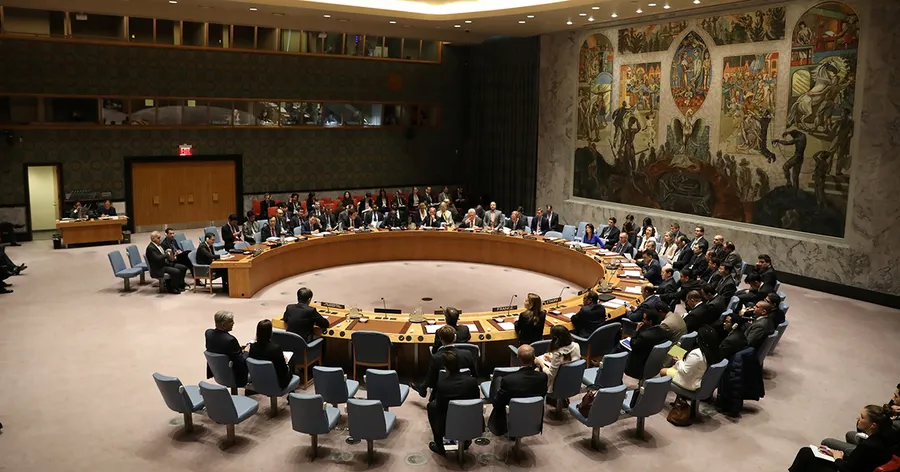
The World’s Largest Cooperation Platform
When countries face problems too big for any single nation to solve — wars, pandemics, climate change, or poverty — they turn to global organizations. The United Nations stands as the most prominent example. Understanding how these bodies actually work helps citizens evaluate their effectiveness and limitations in today’s interconnected world.
Quick Answer: How Global Organizations Like the UN Work
The United Nations brings 193 member states together to solve shared problems. It has six main organs, led by the General Assembly (one country, one vote) and the Security Council (with veto power for five permanent members). It maintains peace through diplomacy and peacekeeping missions, delivers humanitarian aid, sets global development goals, and coordinates specialized agencies like WHO and UNICEF.
Overall Structure of the United Nations
The UN is not a world government. It is a voluntary association of sovereign states that agree to cooperate on common challenges. Its headquarters are in New York, with major offices in Geneva, Vienna, and Nairobi. Funding comes primarily from member state contributions — the top five contributors (USA, China, Japan, Germany, UK) provide roughly 50% of the regular budget.
The Six Main Organs of the UN
- General Assembly — The main deliberative body where all 193 members have equal voting rights. It discusses global issues and adopts resolutions.
- Security Council — Responsible for maintaining international peace and security. It has 15 members: 5 permanent (China, France, Russia, UK, USA) with veto power and 10 elected members.
- Economic and Social Council (ECOSOC) — Coordinates economic, social, and environmental work.
- Secretariat — Led by the Secretary-General, it carries out day-to-day work and implements decisions.
- International Court of Justice — Settles legal disputes between states.
- Trusteeship Council — Suspended since 1994 after decolonization was completed.
How Decisions Are Made
Most decisions in the General Assembly require a simple majority, but important questions need a two-thirds vote. Security Council resolutions on substantive matters need 9 affirmative votes and no veto from the five permanent members. This veto power often leads to deadlock on controversial issues, which is one of the most criticized aspects of the UN system.
Peacekeeping and Conflict Resolution
The UN has deployed more than 70 peacekeeping operations since 1948. As of 2025, approximately 70,000 uniformed personnel from over 120 countries serve in 11 active missions. Peacekeepers monitor ceasefires, protect civilians, support elections, and help rebuild institutions after conflict. Success depends heavily on cooperation from the parties involved and clear mandates from the Security Council.
Development, Humanitarian Aid, and Global Goals
Through agencies like UNICEF, WHO, UNHCR, and UNDP, the UN delivers vaccines, emergency relief, refugee support, and long-term development assistance. The 2030 Agenda with 17 Sustainable Development Goals (SDGs) provides a shared framework for ending poverty, protecting the planet, and ensuring prosperity. Progress varies widely — some goals show measurable gains while others lag significantly.
Other Major Global Organizations
The World Bank and International Monetary Fund focus on economic development and financial stability. The World Trade Organization regulates international trade. Regional bodies like the African Union, European Union, and ASEAN address issues at a continental level. These organizations often partner with the UN on overlapping challenges.
Strengths and Limitations
The UN excels at coordination, standard-setting, and humanitarian response. It has helped prevent many potential wars through quiet diplomacy. However, it is often criticized for slow decision-making, dependence on powerful member states, and limited enforcement power. Its effectiveness ultimately depends on the political will of its members.
FAQs – How Global Organizations Like the United Nations Work
Does the UN have its own army?
No. It relies on troops voluntarily contributed by member states for peacekeeping missions.
Who funds the United Nations?
Member states pay assessed contributions based on their economy size. The five largest contributors account for about half of the regular budget.
Can the UN force countries to act?
Only through Security Council resolutions, which can authorize sanctions or force, but permanent members can veto such actions.
Conclusion – Imperfect but Essential
Global organizations like the United Nations provide the only universal platform where nearly every country can discuss shared problems and coordinate solutions. While they face criticism for bureaucracy and power imbalances, they have achieved significant successes in health, humanitarian aid, and preventing wider wars. Strengthening these institutions through reform and consistent support remains one of the best ways to manage an increasingly interconnected world.
Related reading: what causes international conflicts between countries and importance of free and fair elections explained.
Data Sources & References
Official United Nations documents, annual reports from UN agencies, peacekeeping data from the Department of Peace Operations, and analyses from think tanks such as the International Crisis Group and Council on Foreign Relations.